AA
Share

 Las noticias del día en tu correo
Recibe lo más destacado de la cobertura de CONFIDENCIAL todos los días.
Más boletines
The best of our coverage, in English
Sign up for our weekly newsletter. We will send it to you every Friday at 10:00 am (Nicaragua time)
More Newsletters
PUBLICIDAD 4D
PUBLICIDAD 5D
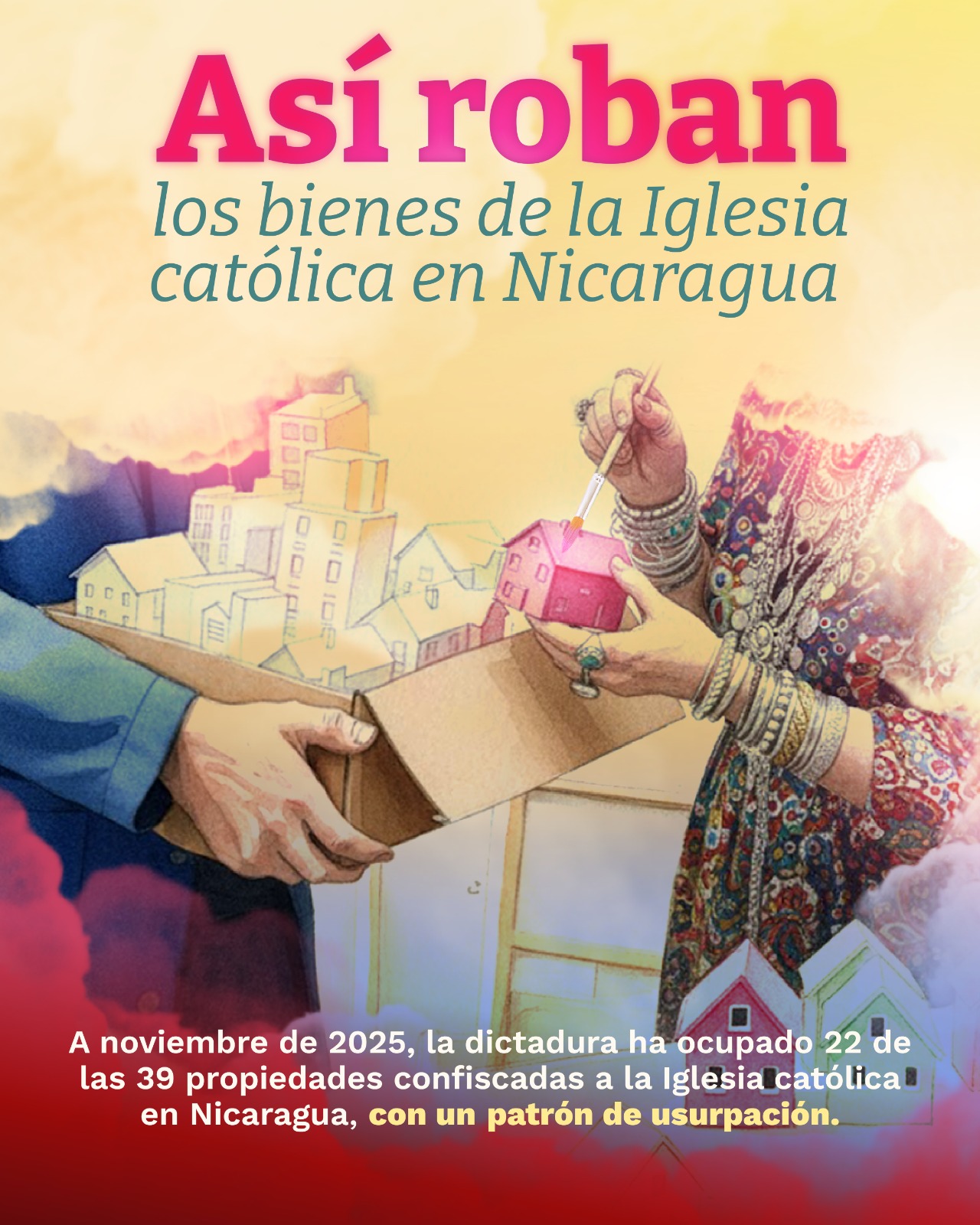
Regime steals residences, schools, universities, social projects, farms, plots, and pastoral centers from the Church, renaming them as “new projects.”

El gran robo de la dictadura a la Iglesia católica en Nicaragua. // Fotoarte: CONFIDENCIAL
The Poor Clare nuns were removed from two of their monasteries in Nicaragua on the night of January 28, 2025. First, they were evicted from the convent located on the Carretera Vieja to León (the Old Highway to León), in Managua, and later from the community of Las Grecias, in Chinandega. The nuns were only allowed to leave with a few belongings, although the confiscation had been set in motion weeks earlier.
On January 17, 2025, the self-proclaimed “co-president” Rosario Murillo announced that “soon” they would inaugurate a university center for agricultural and agro-export technologies, which would be an extension of the National Agrarian University (UNA). Eleven days later, the Poor Clares were expelled from their convents, and in less than a month, their former monastery, “Sacred Hearts of Jesus and Mary” in Chinandega, was turned into the center Murillo had announced.
Since February 2022, the dictatorship of Daniel Ortega and Rosario Murillo has confiscated at least 39 properties from the Catholic Church and lay organizations, according to a data analysis conducted by CONFIDENCIAL.
The count of confiscated properties corresponds to the assets that could be verified through public records and open sources. The total number of seized properties is even higher. However, the affected congregations prefer not to speak out in order to avoid further reprisals against the Catholic Church, which has endured years of persecution by the regime.
Among the confiscated assets are schools and universities founded or administered by the Church, land, farms, and estates, religious residences, pastoral houses, and offices, among other properties.

religious residences

plots of land, farms, or estates

Catholic schools

university campuses

social projects

pastoral centers

office

radio station
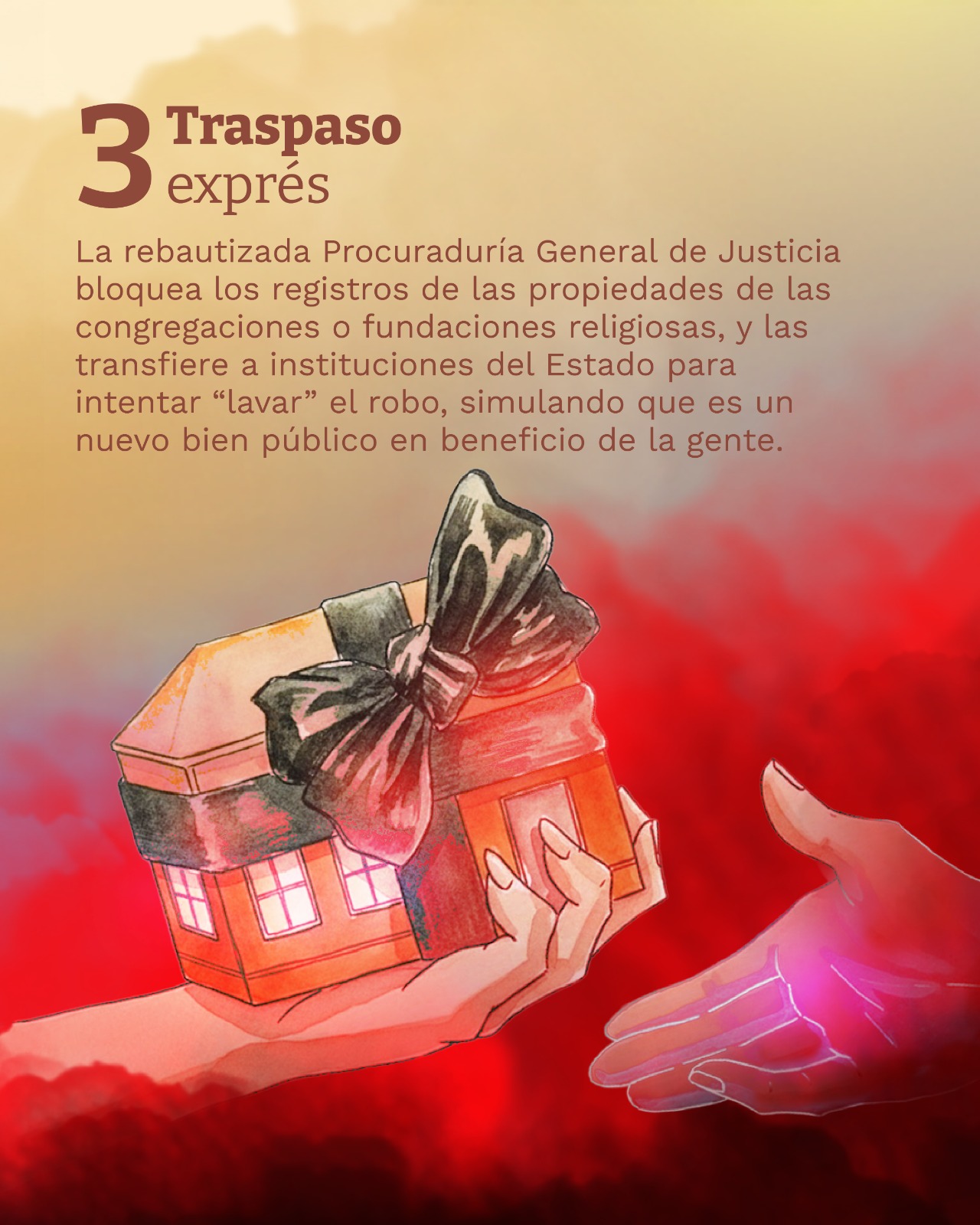
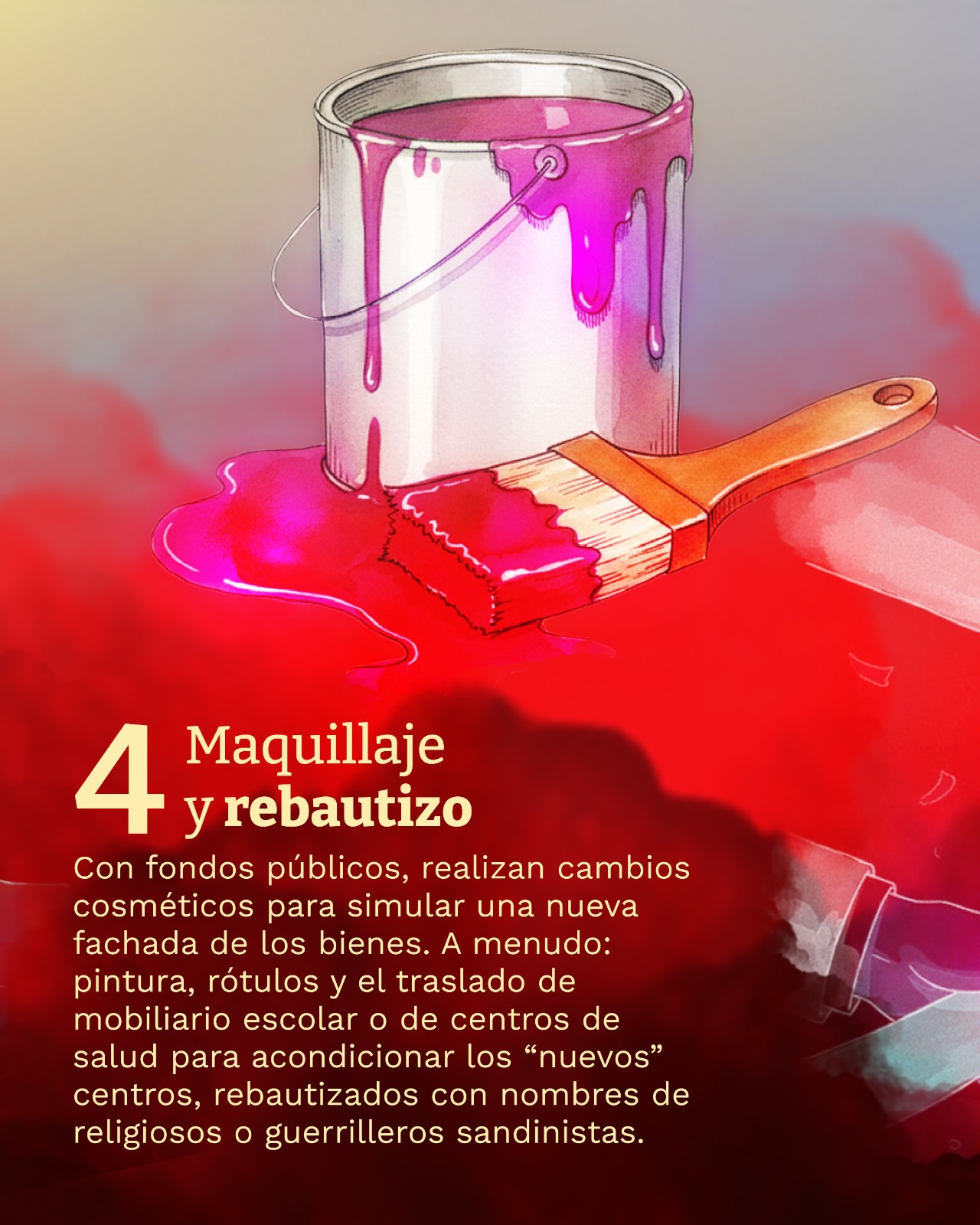
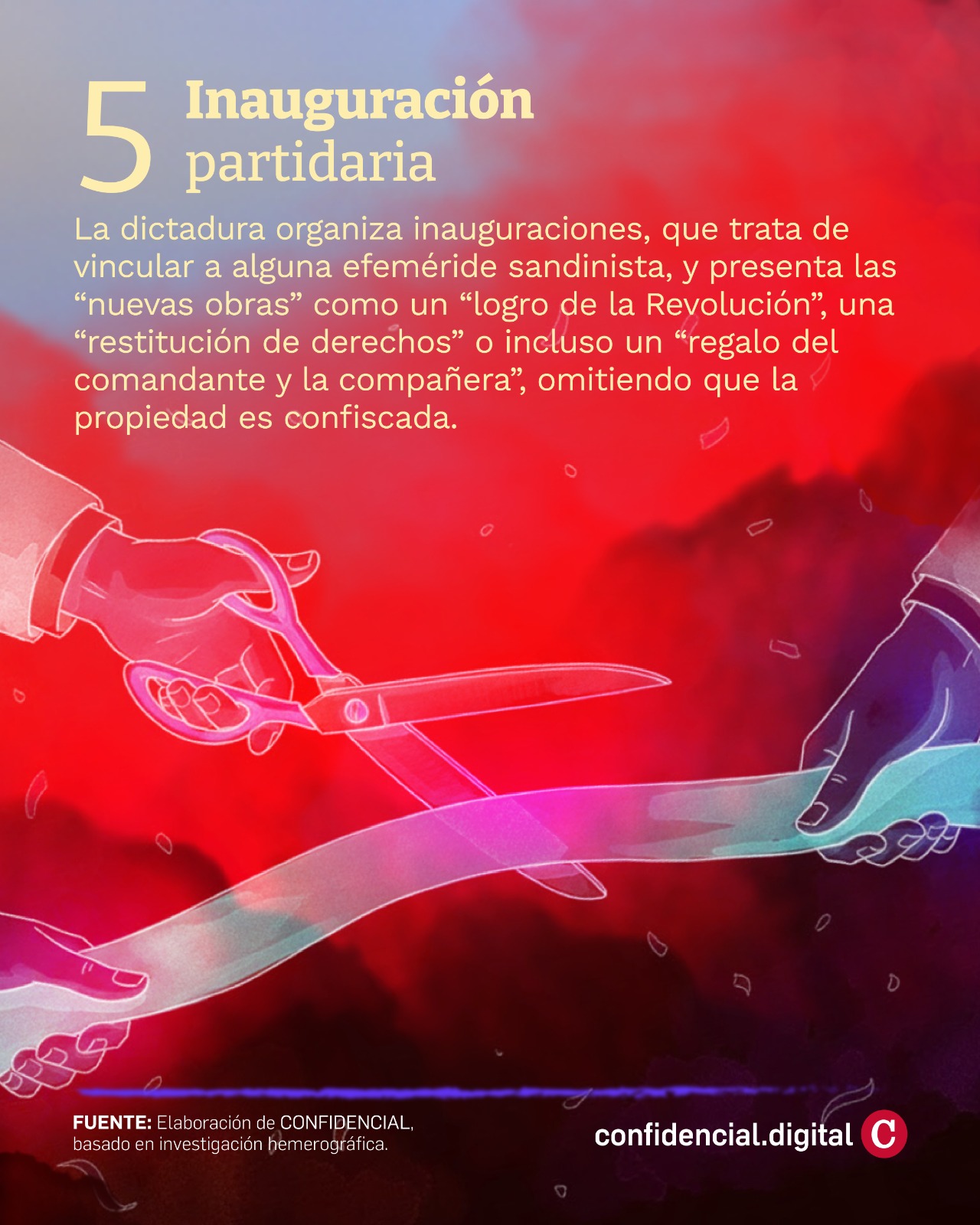
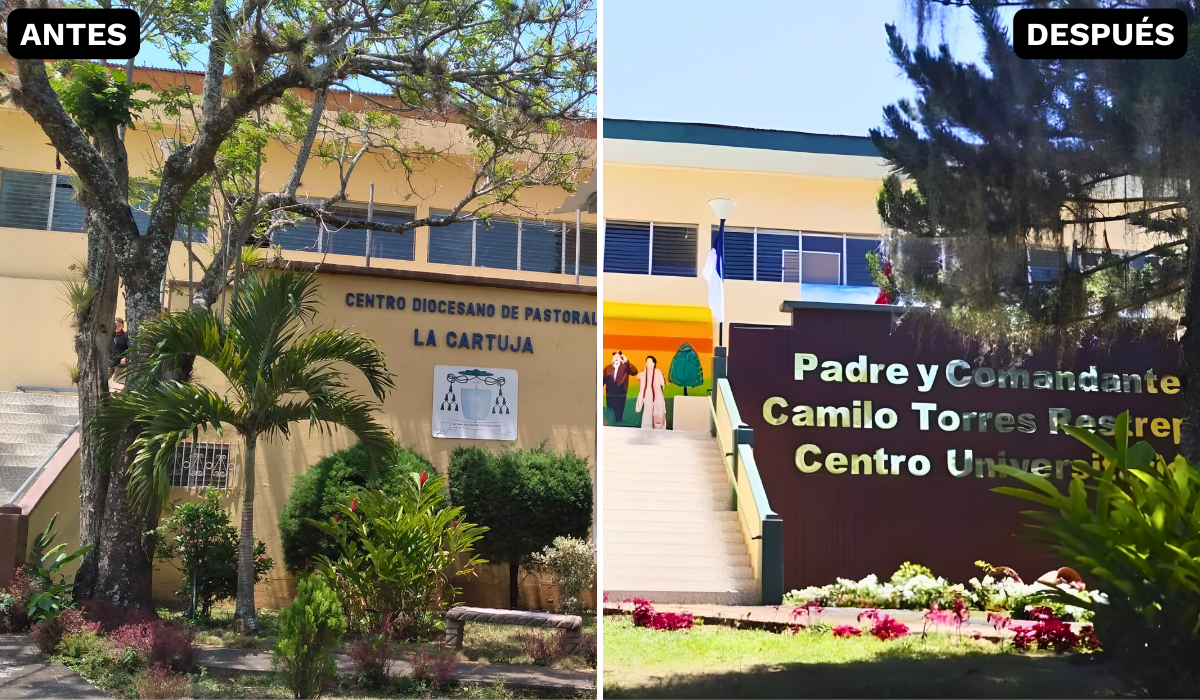
Among the confiscated properties that could be verified, the same pattern of theft and usurpation was confirmed: the regime seizes the assets and then rebrands them as supposed “new” public works in an attempt to legitimize the theft.
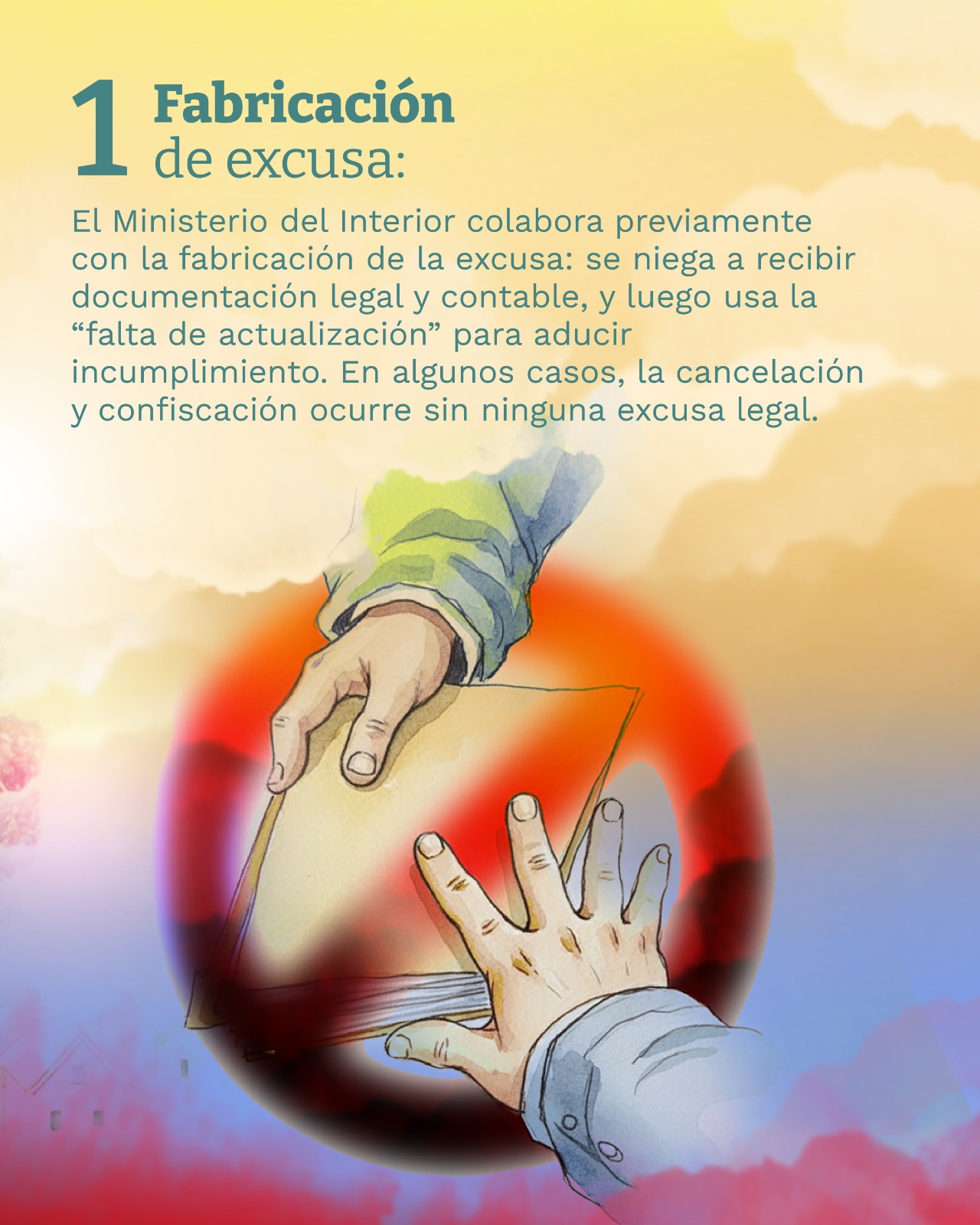
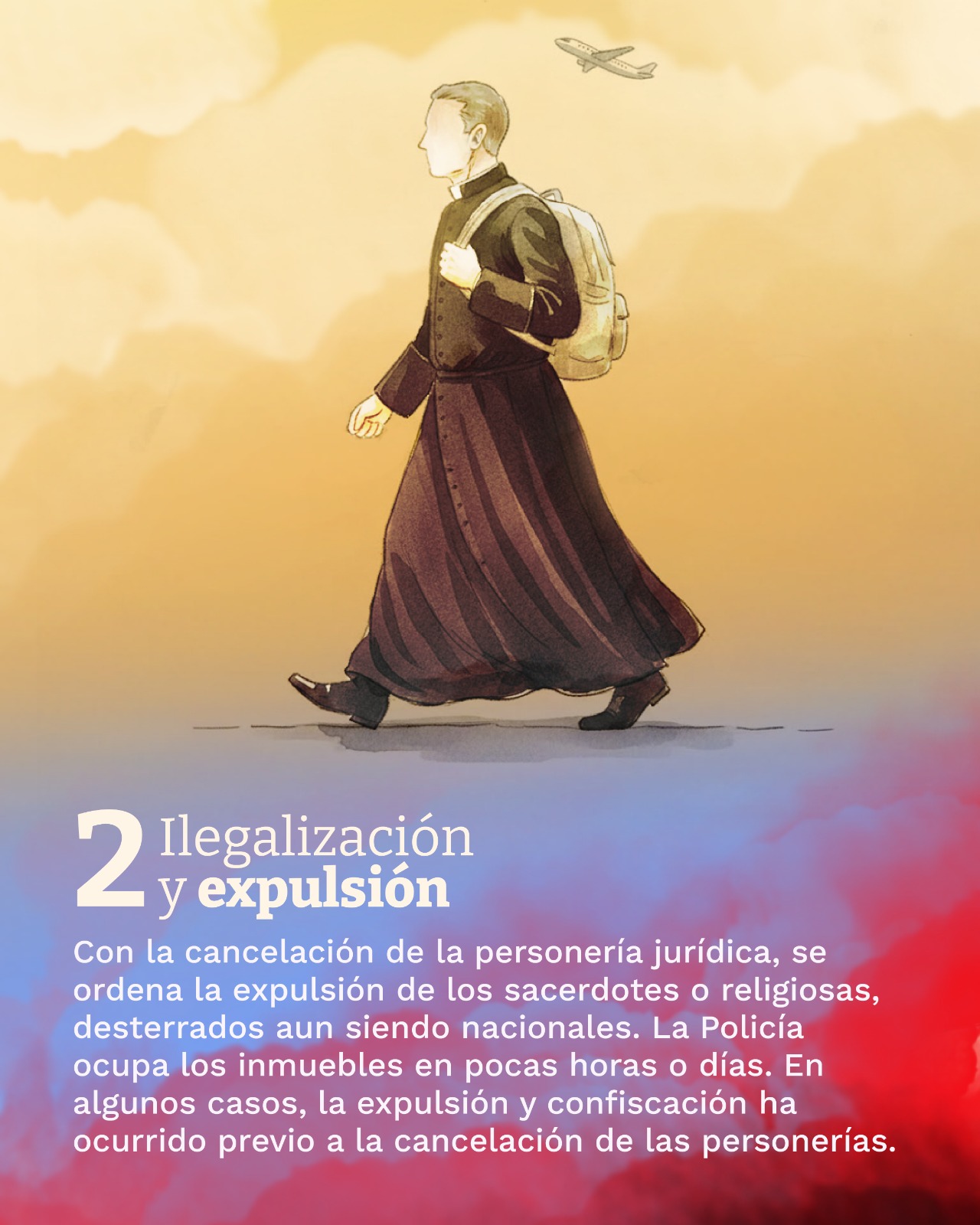
The confiscations are carried out after the legal status of the religious congregations or foundations is canceled. The regime accuses them of “obstructing the oversight and supervision duties of the Directorate of Registration and Control of Nonprofit Organizations.” However, it omits that in many cases it is the Ministry of the Interior (formerly the Ministry of Governance) that refuses to receive the required documentation. And once the organizations are canceled — with no right to appeal — the regime orders their assets to be transferred to the State.
In other cases, the confiscations are carried out as part of repressive actions, such as the seizures targeting the Dioceses of Matagalpa and Estelí, led by Bishop Rolando Álvarez Lagos, who was imprisoned, exiled, and stripped of his nationality for being a critical voice against the regime. In those cases, the dictatorship offered no legal justification for taking the properties. It simply occupied them.
The operational pattern confirms that the confiscations are not isolated incidents, but a government policy aimed at dismantling the Catholic Church’s social and educational structure — a structure that criticizes and challenges the dictatorship.
The 39 confiscated properties belonged to nine religious congregations, four dioceses or administrative divisions of the Catholic Church, and five foundations or lay groups.
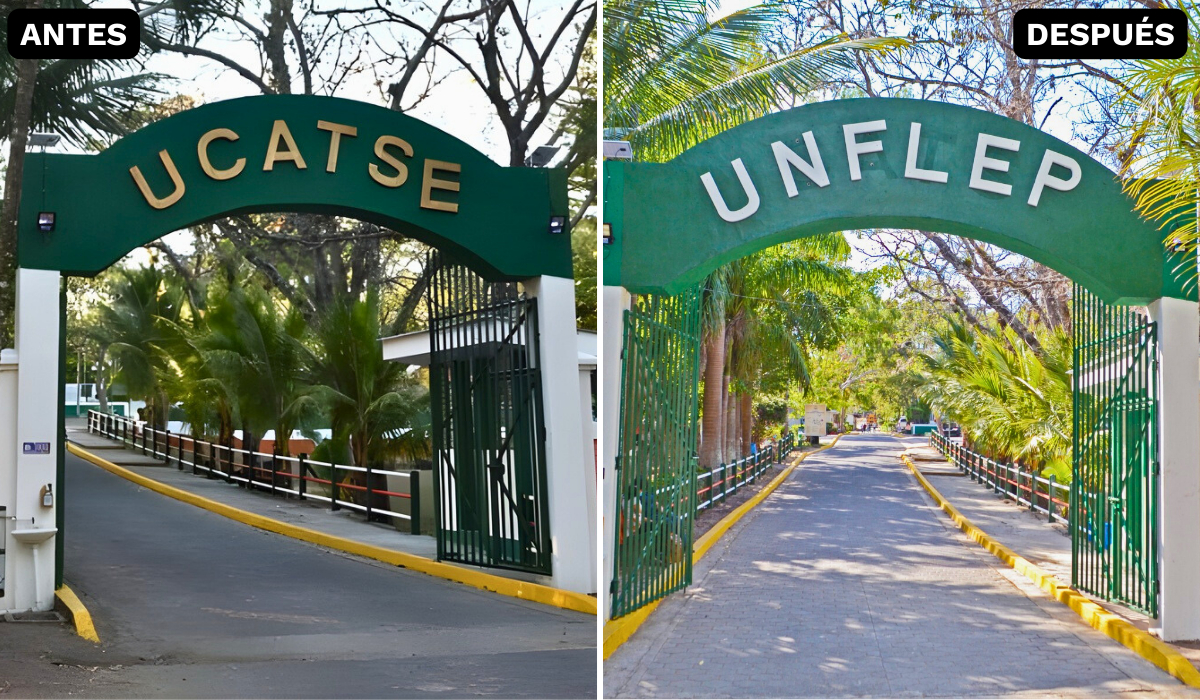
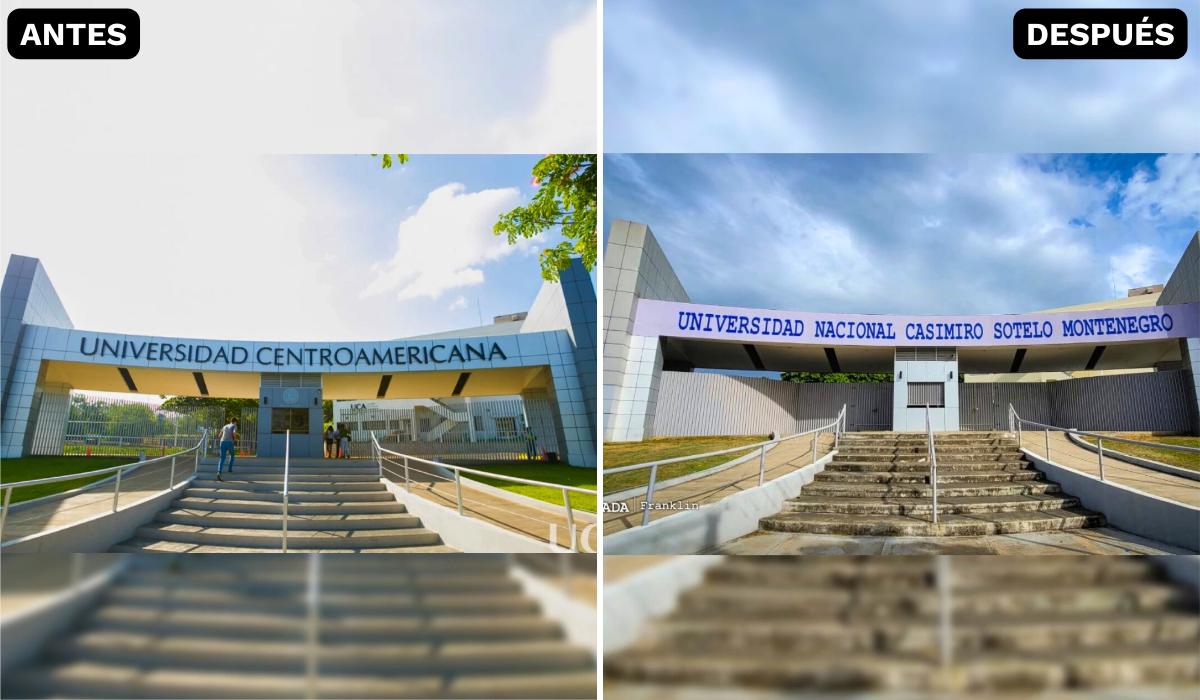
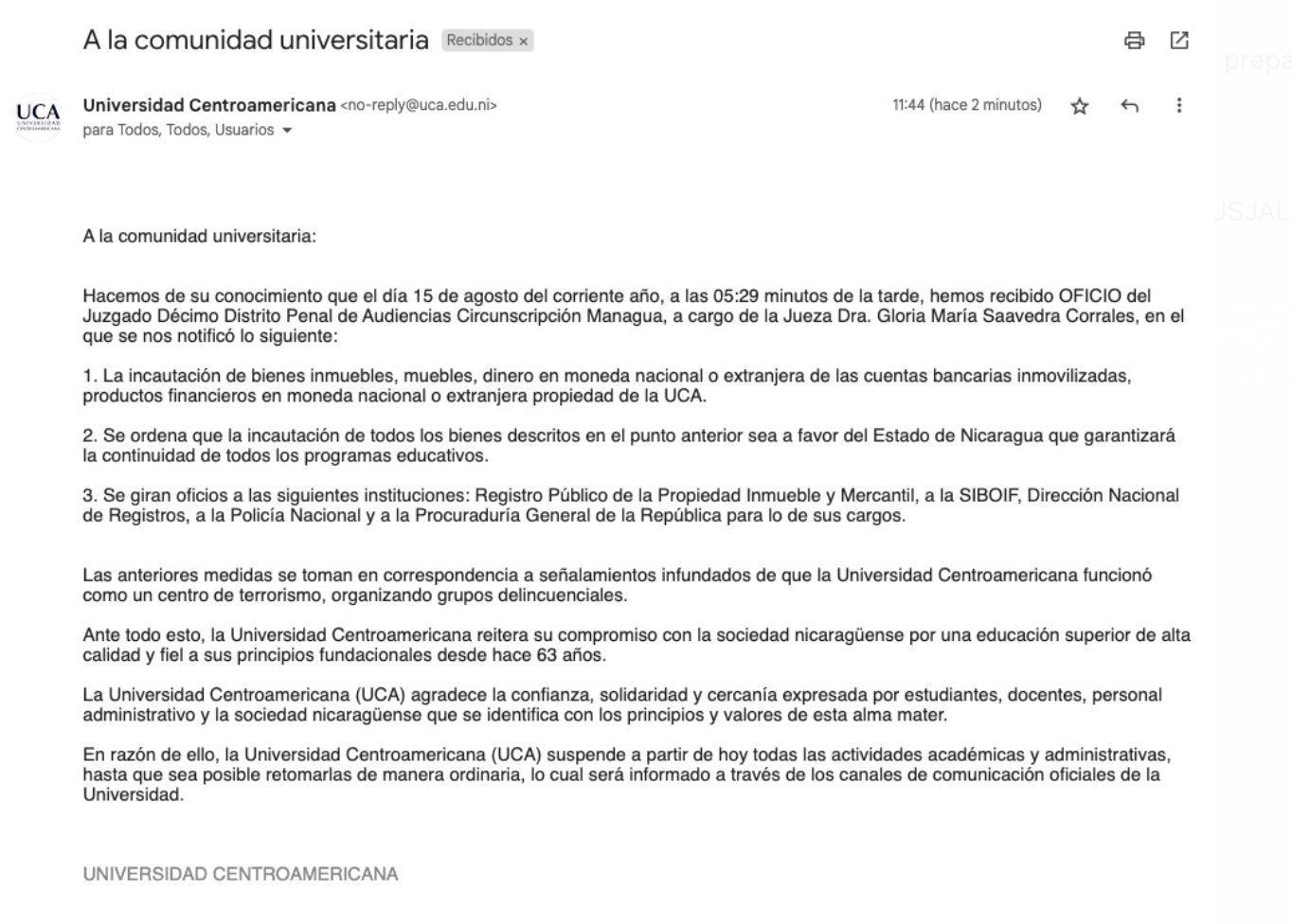
Of the nine religious congregations affected, the Society of Jesus is the most severely hit. Jesuit priests were stripped of at least nine properties nationwide, including the Central American University (UCA), which had a 63-year history in Nicaragua. The justification: accusing UCA, without evidence, of being a center of terrorism.
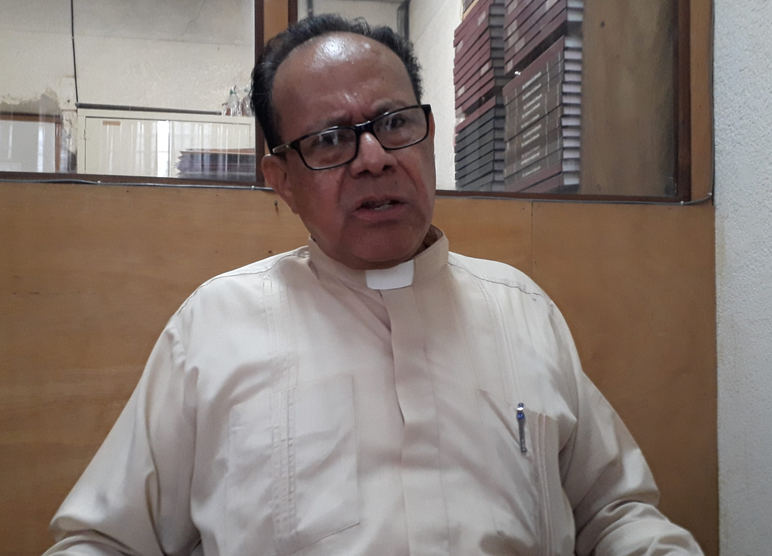
The Jesuits are the only congregation that has publicly denounced the theft of their properties. In August 2025, Jesuit priest José María Tojeira (R.I.P.), spokesperson for the congregation in Nicaragua, said that “studies are underway” to file a lawsuit against the State before an international court. Father Tojeira estimated the value of the stolen assets at around 60 million dollars.
“We conducted an evaluation (…) and the purely material value was around 60 million dollars. But of course, there are other things, like the historical archive, for example, whose value is difficult to calculate.”
José María Tojeira
Jesuit priest
A CONFIDENCIAL estimate, based on sources within the Jesuit congregation and our own calculations, raises the preliminary value of the confiscated assets to 77 million dollars. However, this figure only includes the most recent appraisal of the San Ignacio Loyola campus, the investment used to build the Julio and Adolfo López de la Fuente Engineering Laboratory, and a plot of land along the Masaya Highway — just three of the nine confiscated properties — and does not account for the patrimonial value of collections such as the Institute of History of Nicaragua and Central America (IHNCA) or the José Coronel Urtecho Library.
“The plunder was immense. While the economic damages are, to date, incalculable, the scientific and academic loss is even greater, since the cultural heritage arbitrarily seized from the university is of incalculable value,” a Jesuit source told CONFIDENCIAL.
The second most affected group is the Fabretto Foundation, a nonprofit that operated in Nicaragua for more than 60 years, inspired by the legacy of the Salesian missionary Rafael María Fabretto.
The Fabretto Foundation had at least five educational centers and one farm confiscated, though the total value of their assets is unknown, as they declined to provide statements for this report. In this case, after taking over the foundation’s social projects, the regime continues to use the Italian priest’s name.
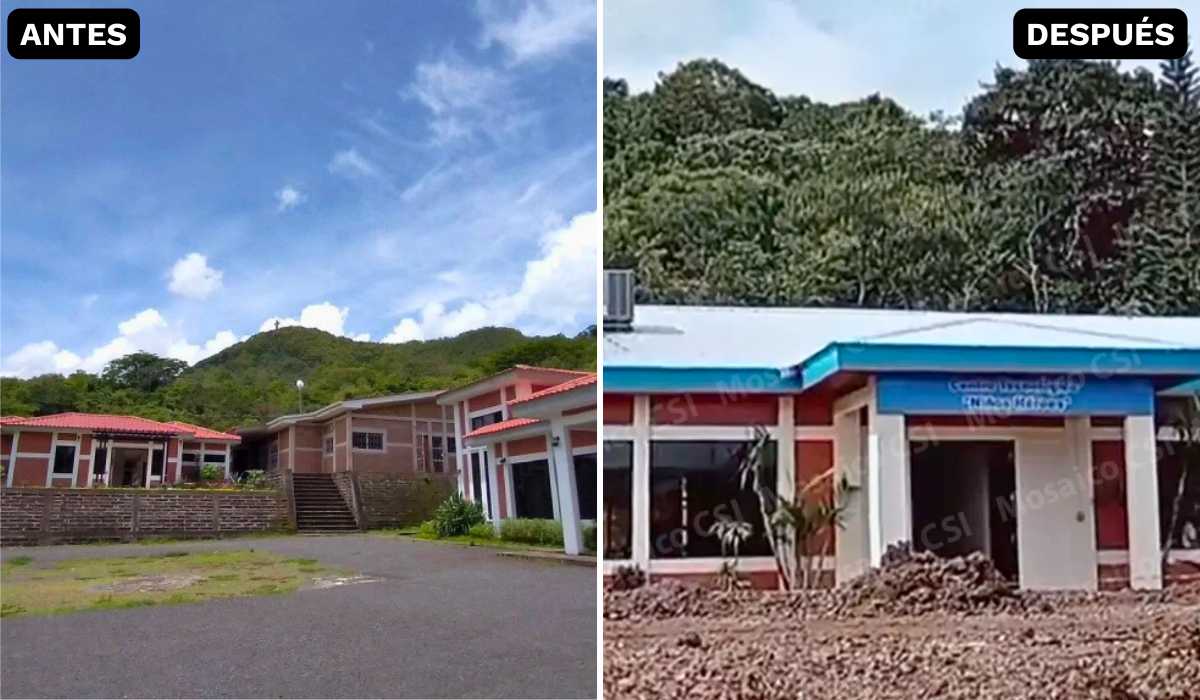
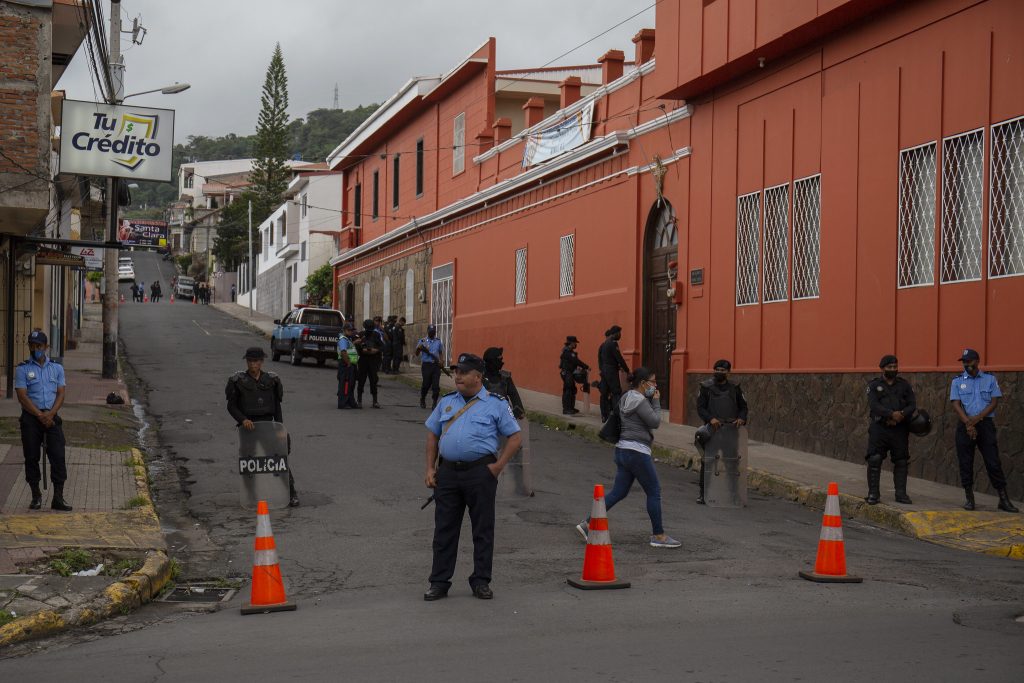
The third most affected is the Diocese of Matagalpa, led by Bishop Rolando Álvarez. The diocese lost at least three properties, including the Episcopal Curia, where the bishop and a group of collaborators were besieged by the National Police for two weeks until their arbitrary arrest on August 19, 2022. The combined value of these three properties exceeds seven million dollars, according to journalistic estimates from the media outlet Mosaico CSI.
Las 39 propiedades confiscadas pertenecían a nueve congregaciones religiosas, cuatro diócesis o divisiones administrativas y cinco fundaciones o grupos de laicos.
Three days after the confiscation of UCA, the regime quickly set up a “new” state university, which in reality did not begin operations until five months later. The haste and pageantry — which included raising the flag of the ruling Sandinista Front — revealed a clear interest in political revenge.
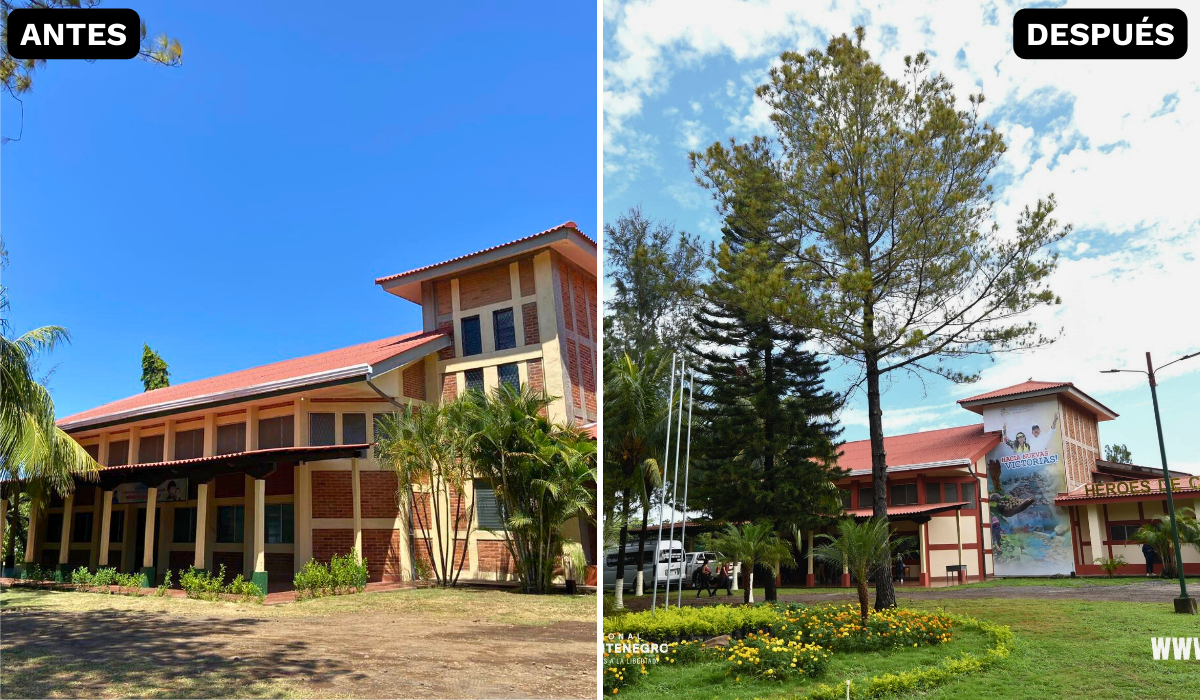
In Chinandega, the city hall also rushed to inaugurate a “new” university center, established in the monastery confiscated from the Poor Clare nuns. The pretext was to coincide with the anniversary of Augusto C. Sandino’s death. But three months later, during another party-related commemoration, the recently removed president of the National University Council (CNU), Ramona Rodríguez, inaugurated the university branch again, as if it were the first time.
At the first “inauguration,” the building was practically intact; only red-and-black flags had been installed, along with some chairs and a platform displaying images of the “co-presidents” Ortega and Murillo. In the second ceremony, they added school chairs, computers, some kitchen equipment, and ornaments.
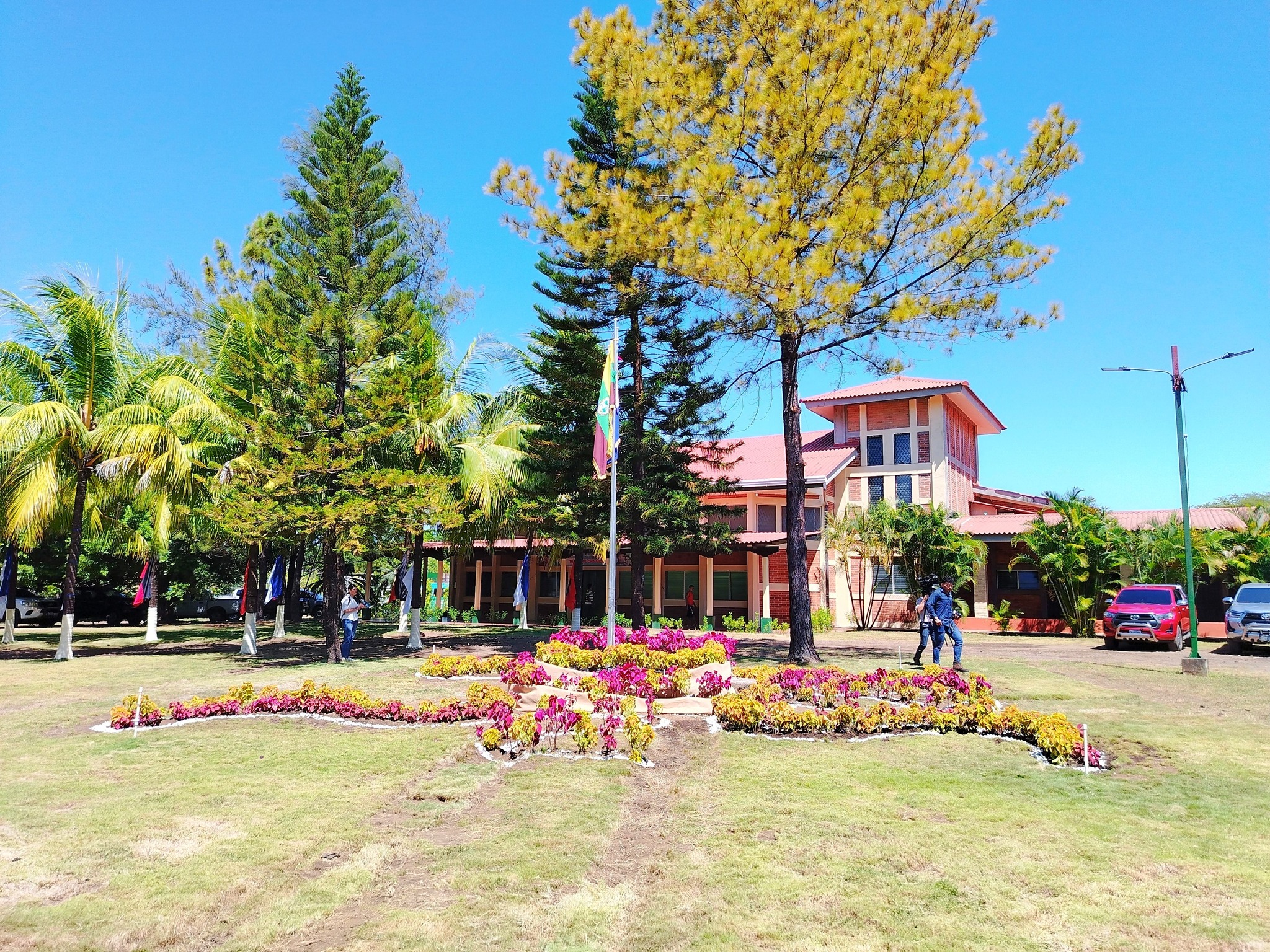
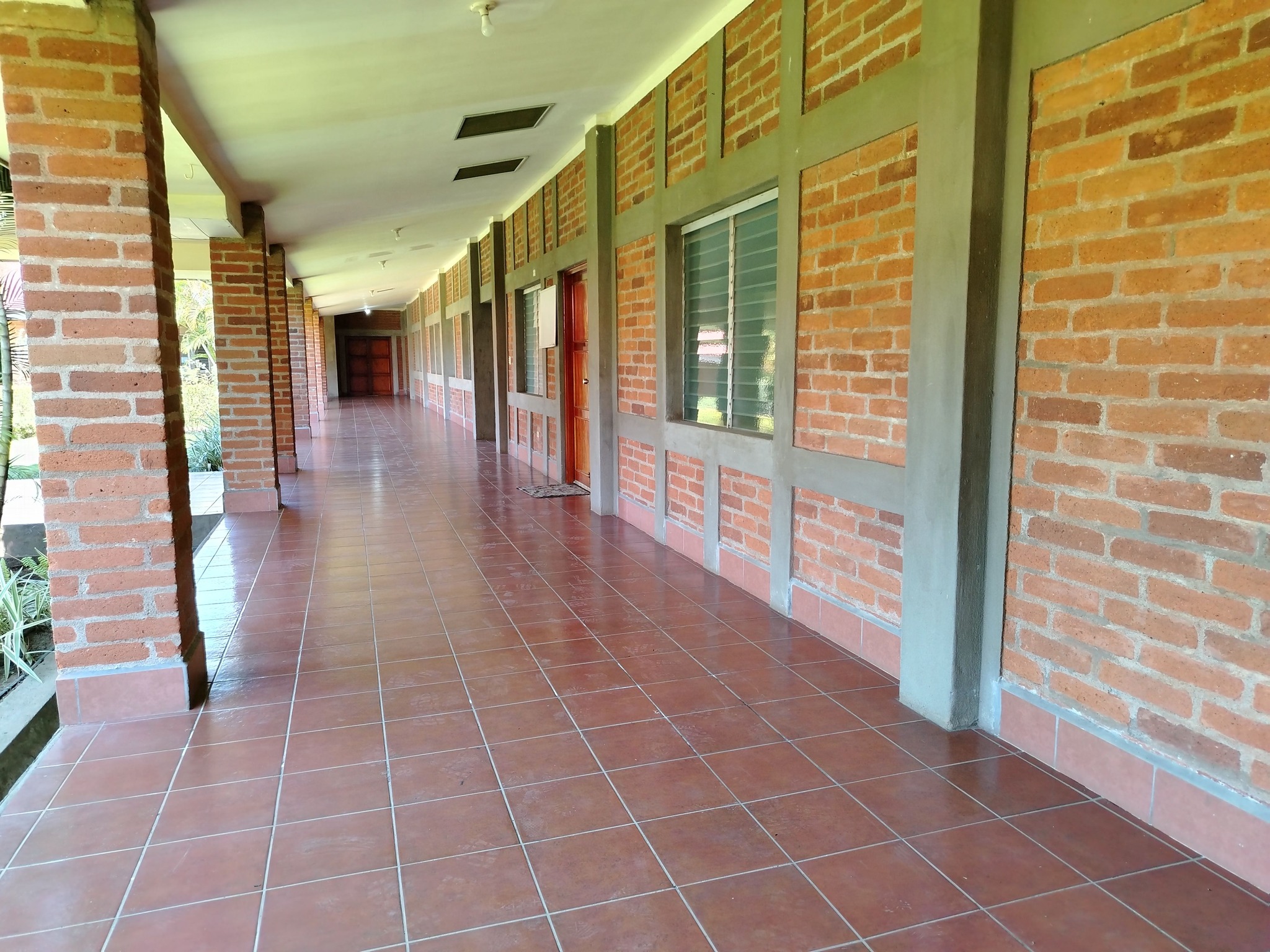
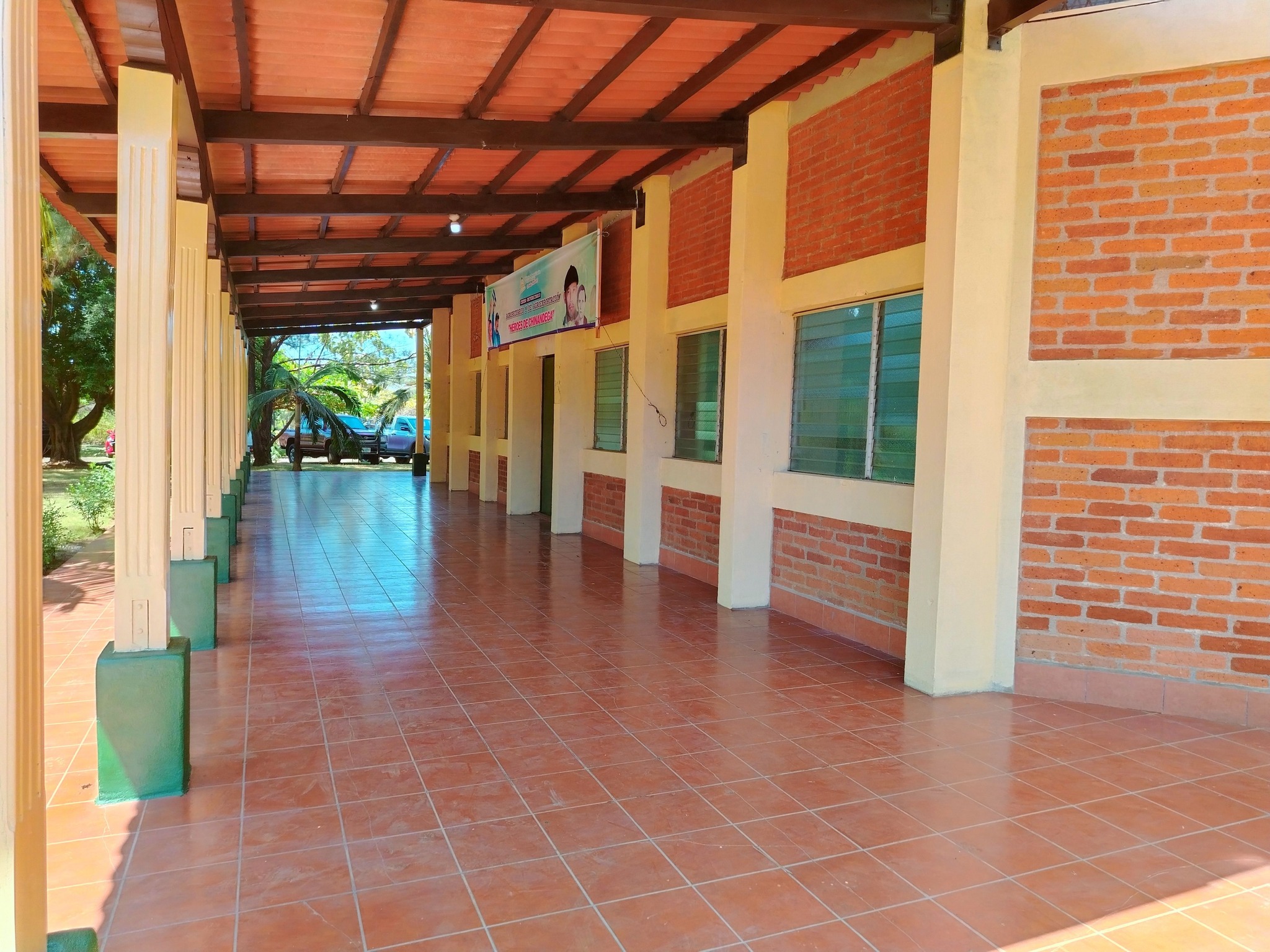
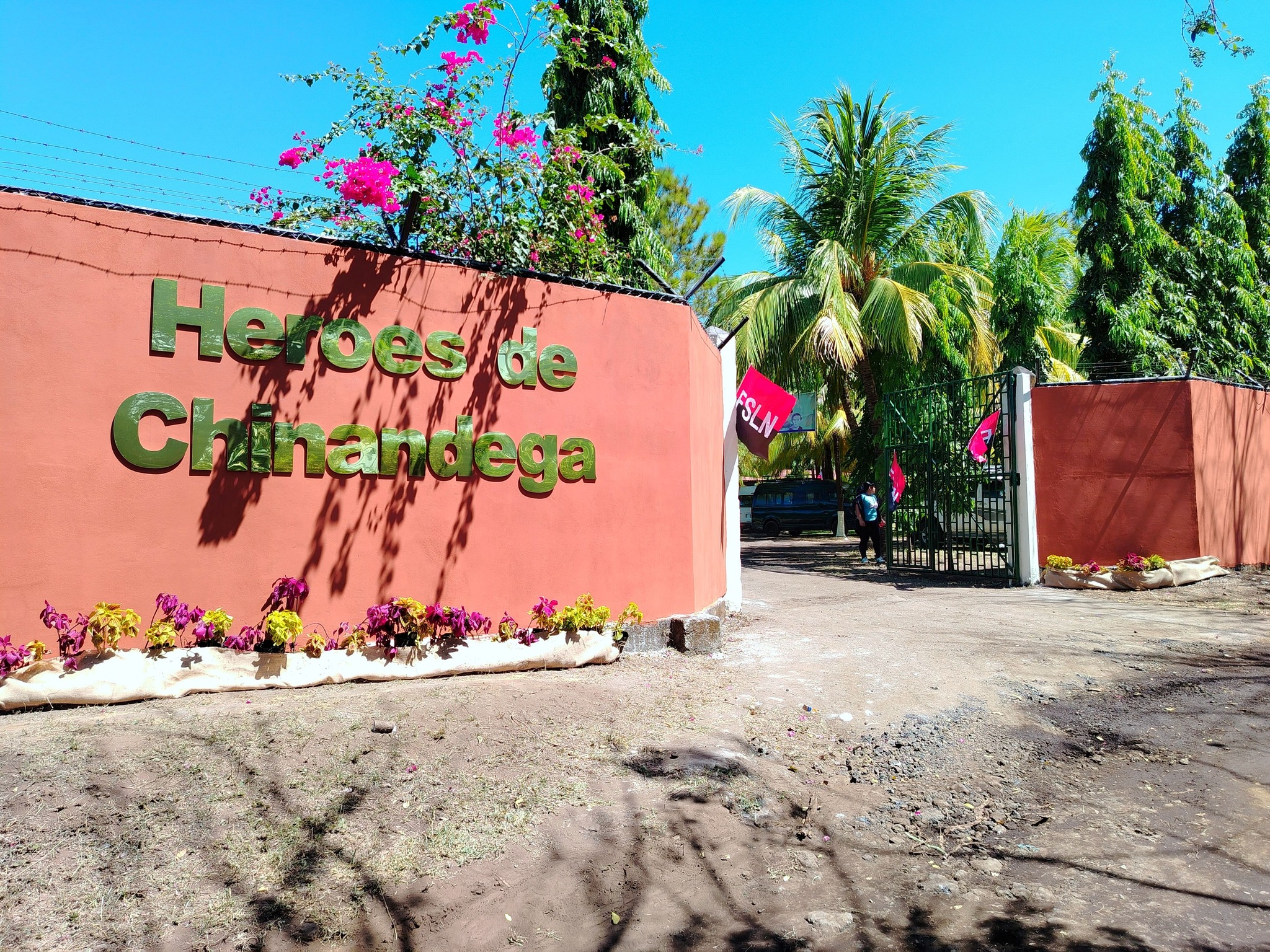
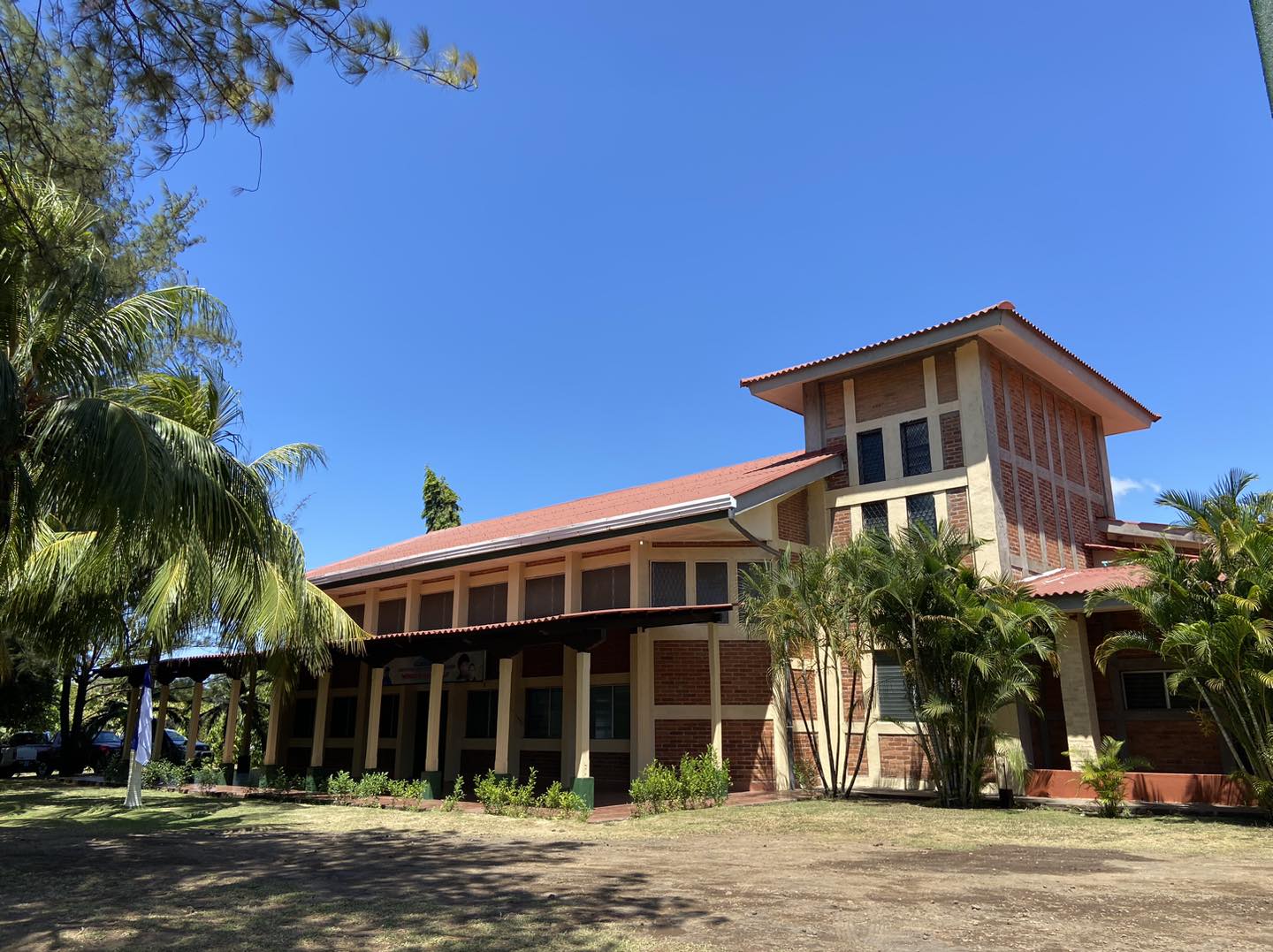
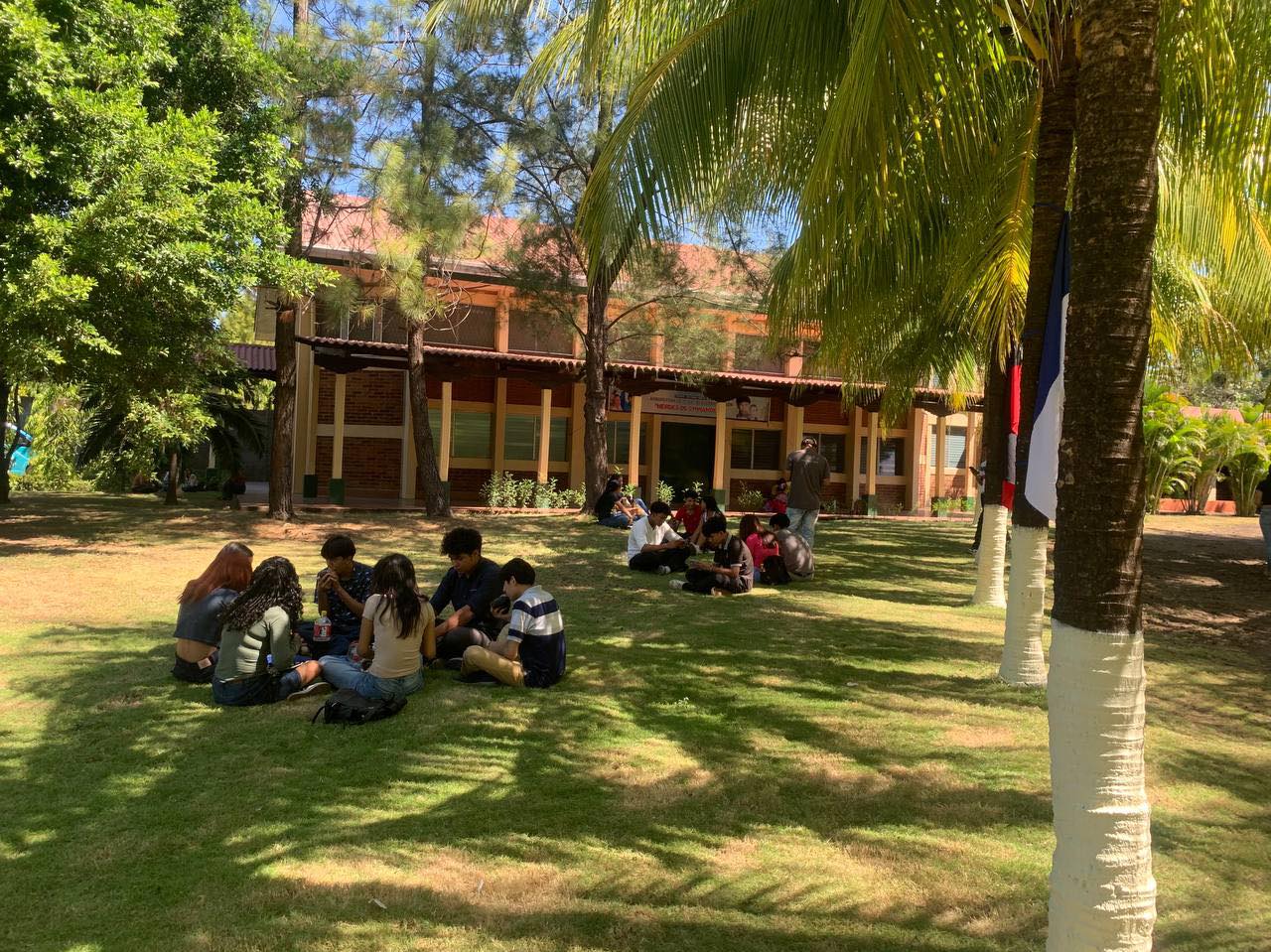
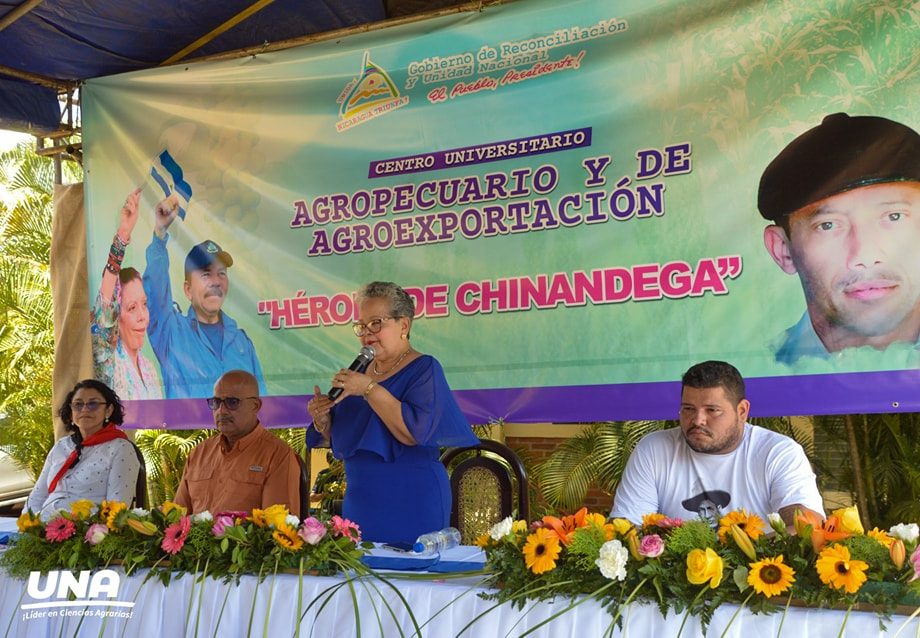
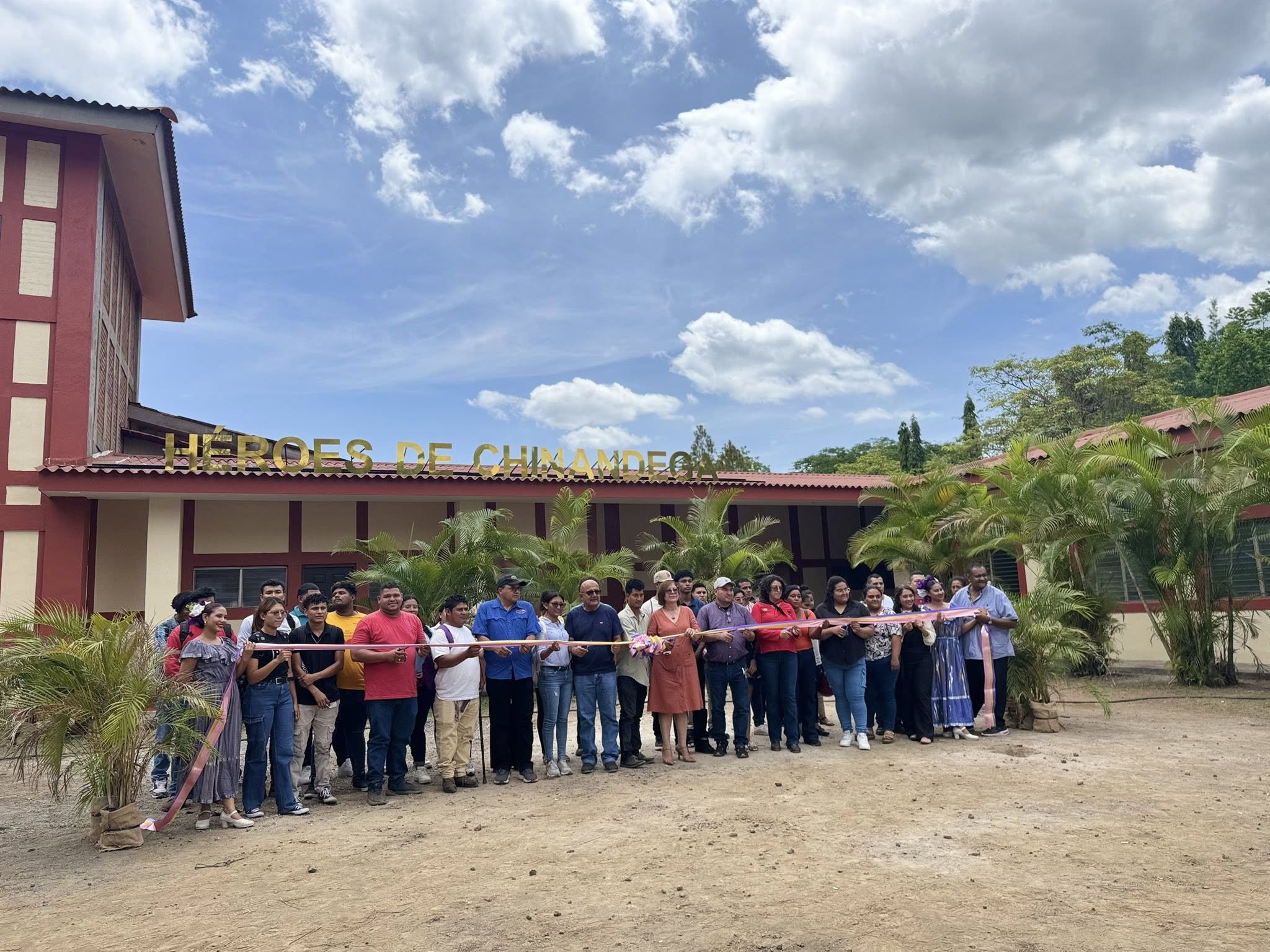
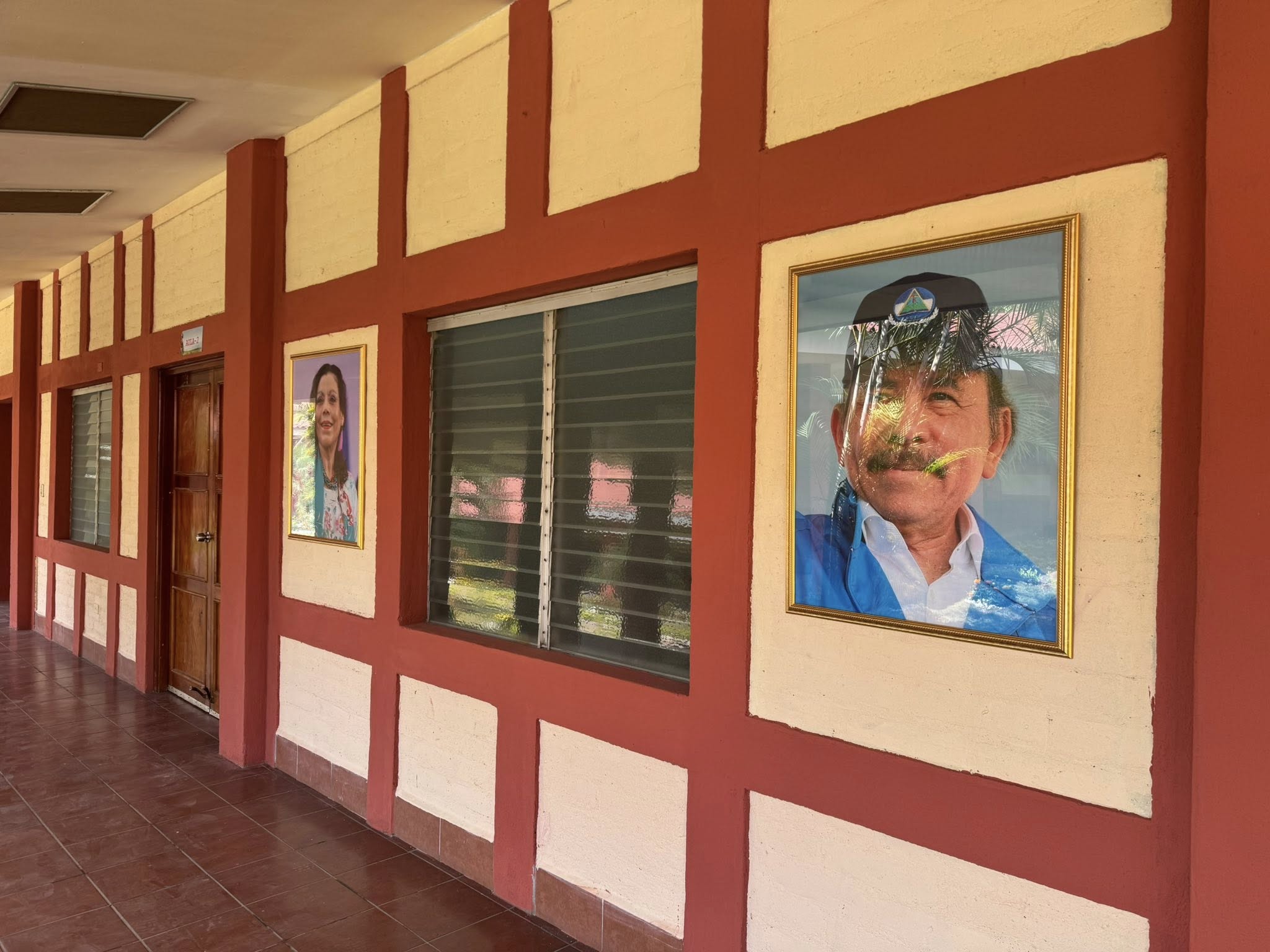
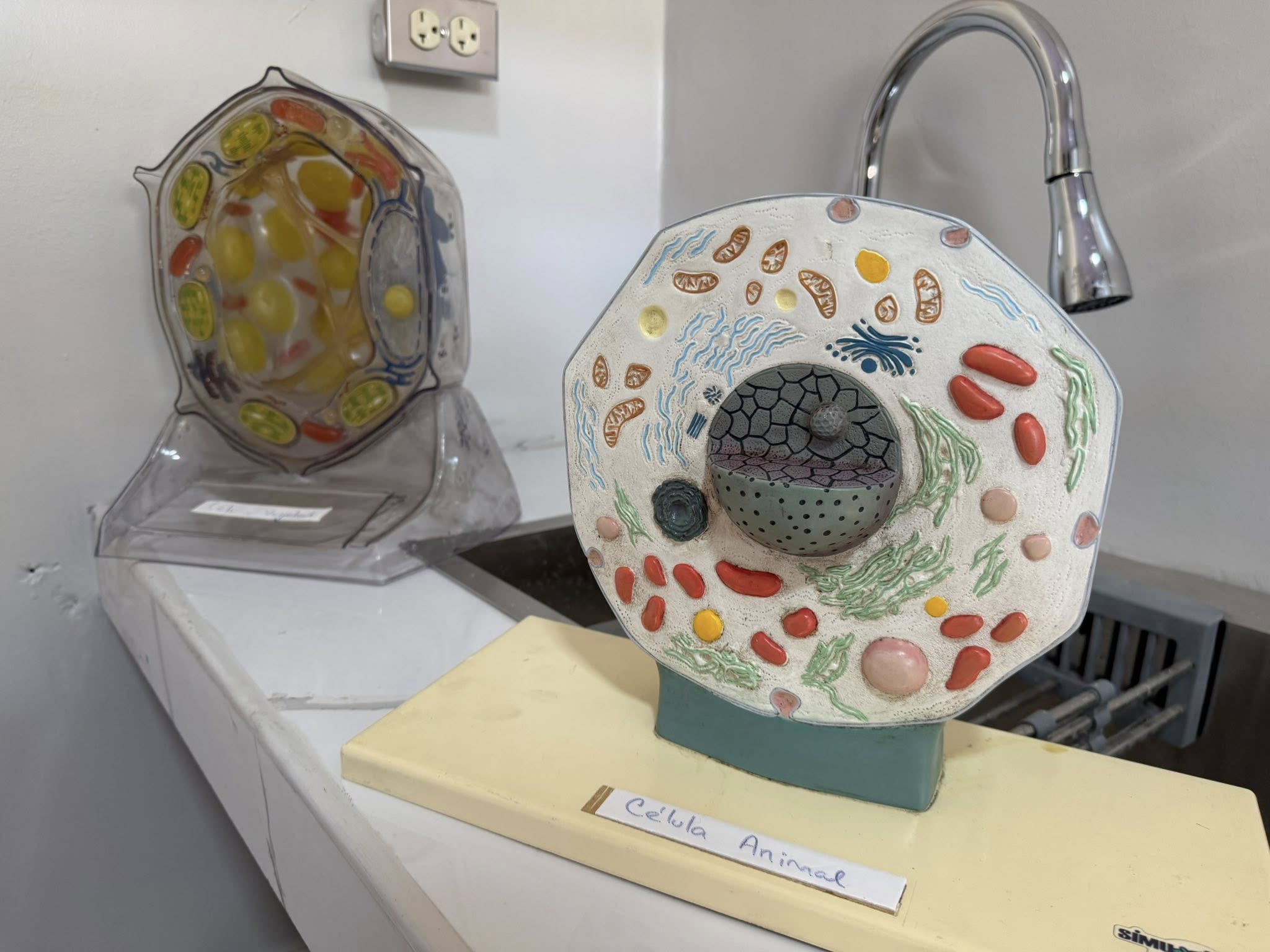
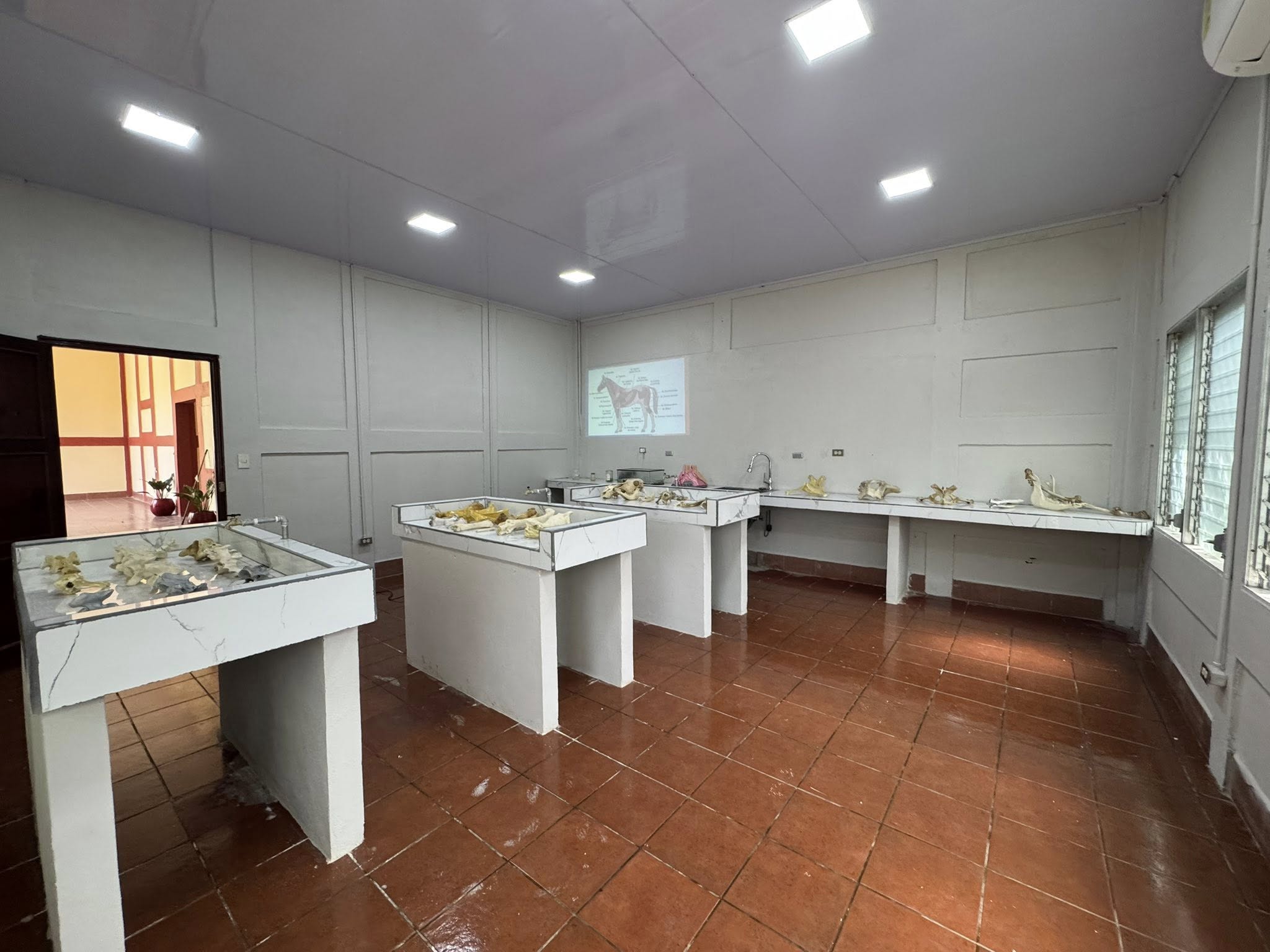
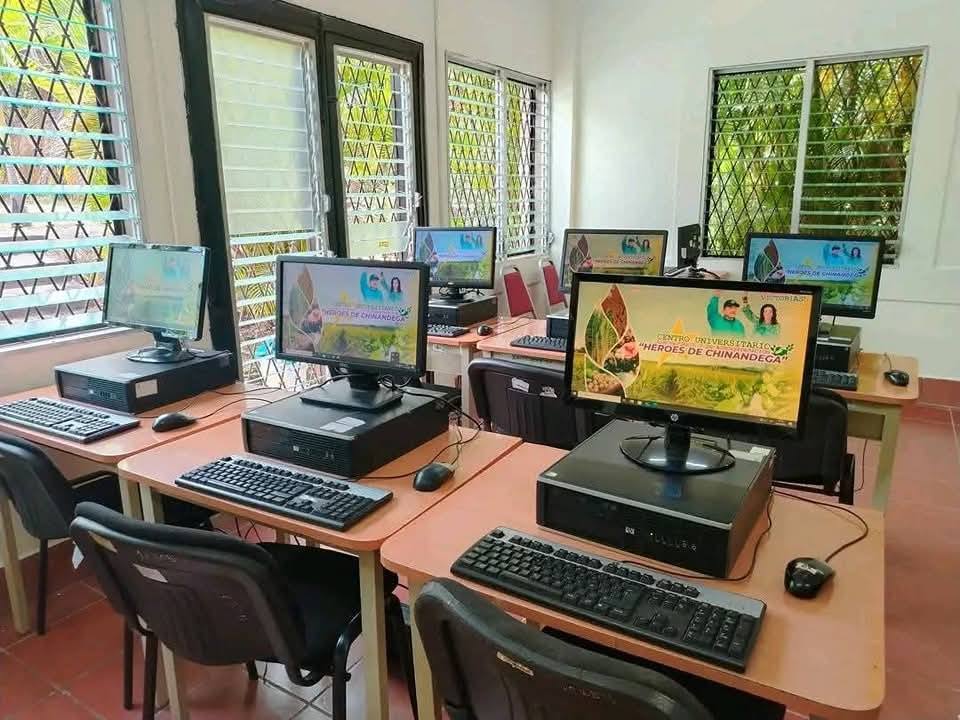
Images of the “Sacred Hearts of Jesus and Mary” Monastery, confiscated in January 2025 from the Order of Saint Clare, now transformed into the “Héroes de Chinandega University Center.” // Photo: CCC
In a public ceremony during yet another party-related anniversary — Sandino’s birthday, on May 18, 2024 — Ortega justified the confiscations. “The important thing,” he said, “is that this ill-gotten wealth (…) is now in the hands of the State, at the disposal of the people, the poor, the farmers, and the youth.” He provided no evidence that the wealth, in his view, was ill-gotten and omitted the fact that he had promised to respect private property when he sought to return to power during the already-distant 2006 election campaign.
The confiscation of social projects also leaves vulnerable groups abandoned, previously served by the Church. Meanwhile, the seizure of schools and universities — replaced by spaces promoting partisan indoctrination — aims to impose ideological control over basic education and suppress critical thinking in higher education.
Twelve of the confiscated properties are located in Managua. Another nine are in the northern part of the country (Matagalpa and Jinotega); six more in the Las Segovias region (Madriz, Estelí, and Nueva Segovia); four in the western region (León and Chinandega); four in the southeast (Rivas, Granada, and Carazo); two in Chontales; and two in Río San Juan.
Of the 39 properties confiscated from the Catholic Church, 22 have already been distributed and occupied by different state institutions, which have inaugurated “new” projects in an attempt to support the populist narrative of supposedly transferring the assets “into the hands of the poor.” However, the government does not disclose the formal transfer process or the intended purposes or guidelines for using the properties.
The fate of the remaining 17 confiscated properties could not be verified.
State institutions involved in occupying the properties include:
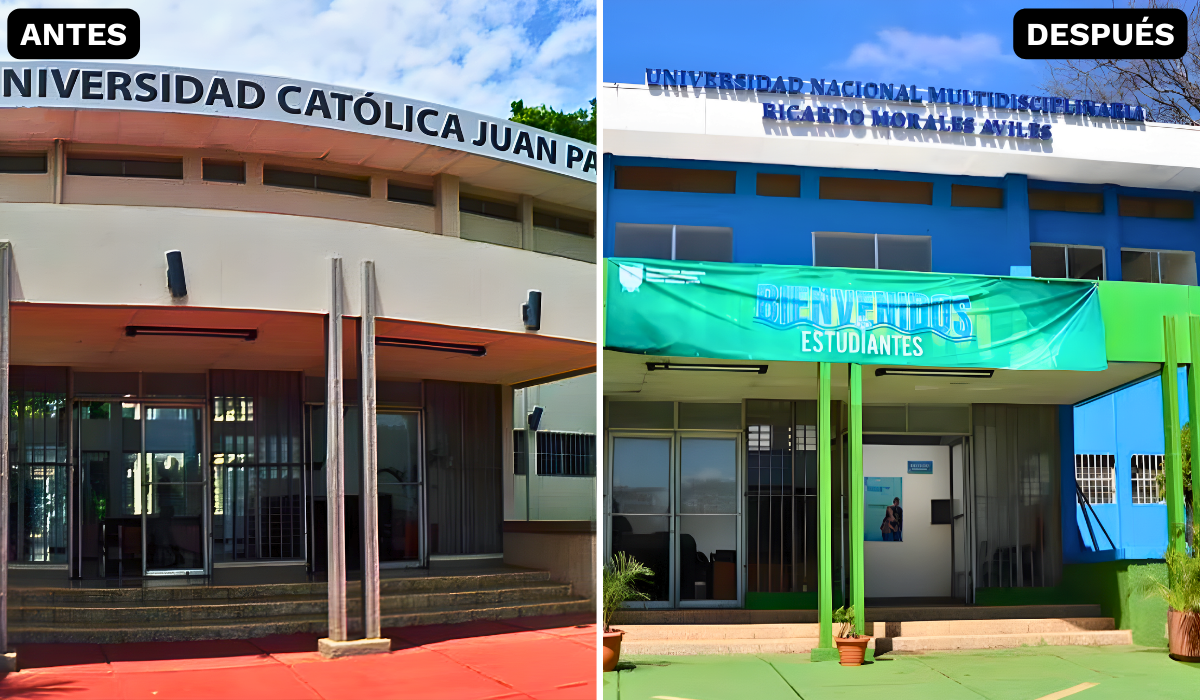
Among the properties seized from the Church are at least eight schools and six universities. Many of these educational centers had decades of operation and offered nationally and internationally accredited curricula. In their place, the dictatorship claims to have “opened” eleven new educational centers under the administration of the CNU and Mined.
The CNU oversaw the reuse of eight properties, repurposed as new higher education centers. These include:
The Ministry of Education (Mined), meanwhile, manages three confiscated schools:
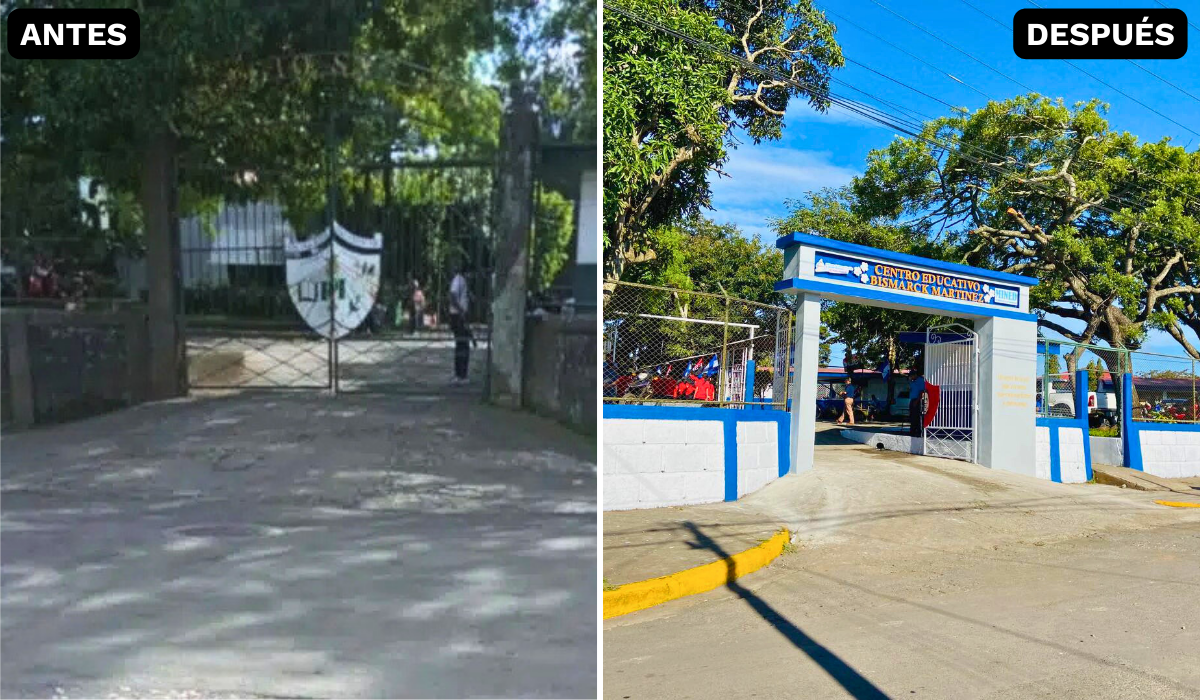
San José School, confiscated in August 2025 from the Josephine Sisters in Jinotepe (Carazo), renamed after former Managua city hall employee Bismarck Martínez, whom the dictatorship considers a “martyr of the coup movement.”
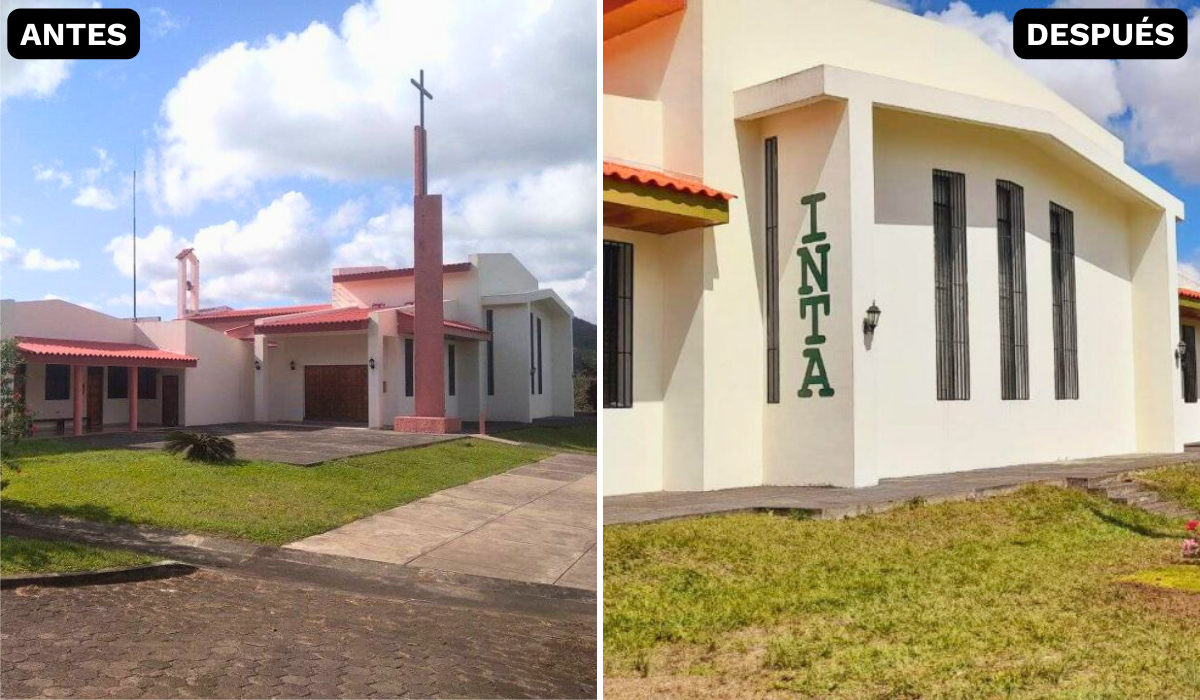
INTA also manages two new centers on confiscated properties: the Center for the Development of Agricultural Technologies, located in the Trappist Nuns’ Monastery in San Pedro de Lóvago (Chontales), and the Coronel Santos López Biological Reserve and Resource Station, established on the Mangas Verdes Farm of the Fabretto Foundation in San José de Cusmapa (Madriz).
The dictatorship “dresses up” confiscated properties as new “projects for the people,” even though among the seized assets there were also social projects, pastoral centers, and community service initiatives that had been managed by the Church and volunteer teams.
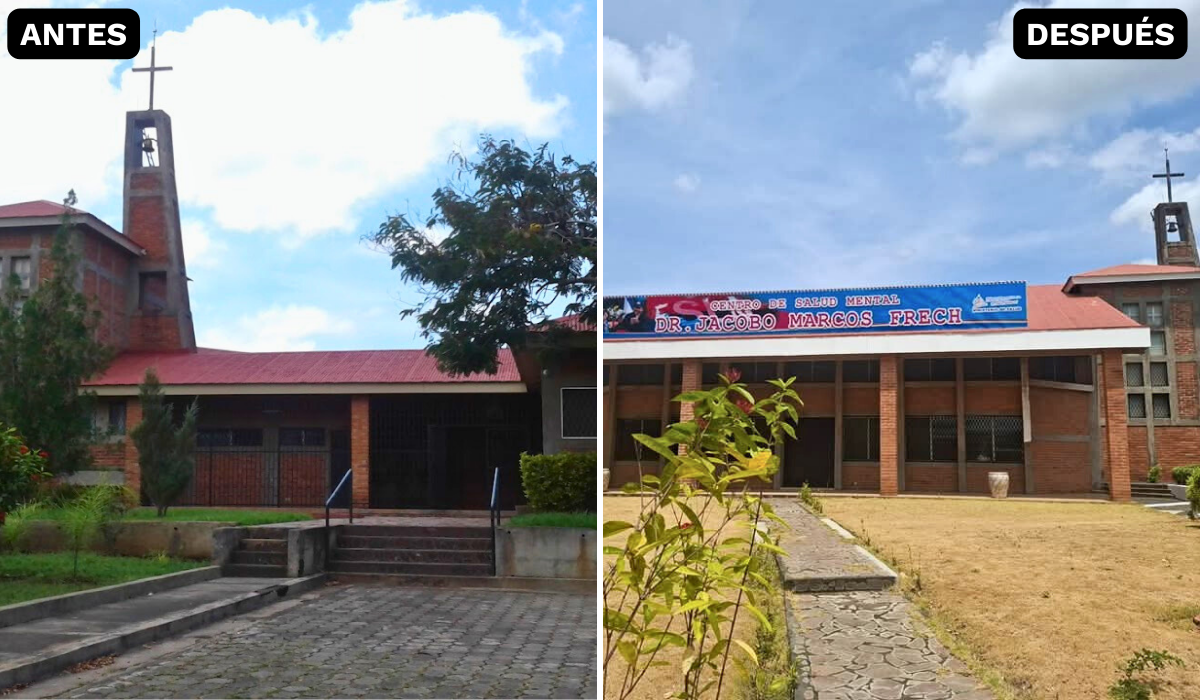
Al Minsa le asignaron la Clínica Nazareth, que pertenecía a la Asociación Nazareth para el Desarrollo Integral de la Familia (Andif), y el Centro de Salud Mental “Doctor Jacobo Marcos Frech”, instalado en el Monasterio de la Orden de Santa Clara, en Managua.
The Ministry of the Family now manages the Mother Paquita Child Development Center (CDI), housed in the Immaculate Heart of Mary Home run by the Missionaries of Charity, the order founded by Mother Teresa of Calcutta.
An image of eighteen missionaries walking on foot toward Costa Rica with only a few belongings went viral worldwide in July 2022, becoming one of the emblematic images of the dictatorship’s religious persecution.
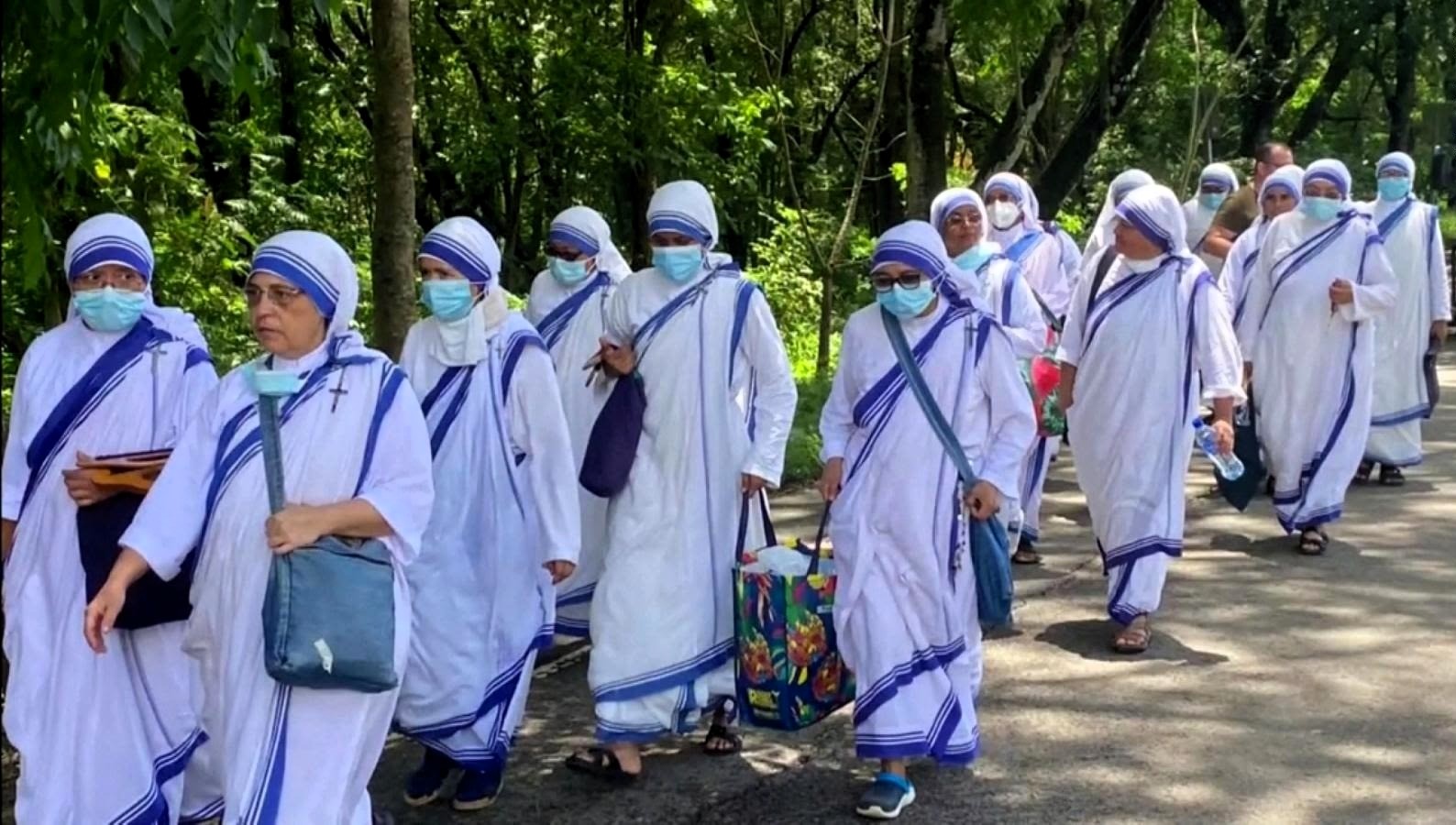
In the documentary “Nicaragua Will Rise: The Dictatorship’s Persecution of the Catholic Church,” the nuns recounted that the regime gave them 72 hours to leave the country. They had purchased 18 plane tickets but were ordered to leave by land through Peñas Blancas at the Costa Rican border, following a “shortcut.”
“I had some knowledge of where we were going on that shortcut because it is my country, but I didn’t understand why they were taking us that way. I feared they might stage an accident,” recounted missionary Sister María Anchila months later from exile.
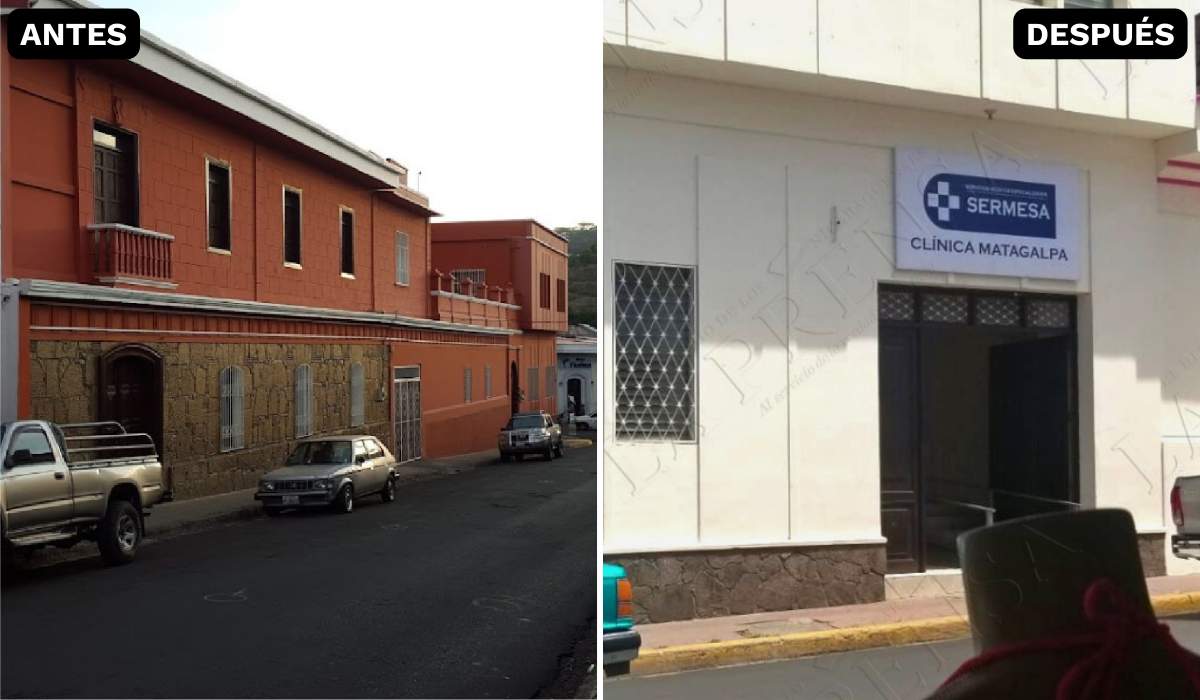
The dictatorship also occupied eight religious residences. In January 2025, it ordered the dismantling of the Episcopal Curia of Matagalpa, where Bishop Rolando Álvarez lived. Two months later, in March 2025, it “inaugurated” a clinic run by Servicios Médicos Especializados S.A. (SERMESA), a private company managing several INSS clinics.
The INSS has, in turn, been used by the dictatorship to “launder” more than 110 confiscated properties, according to a report published by CONFIDENCIAL.
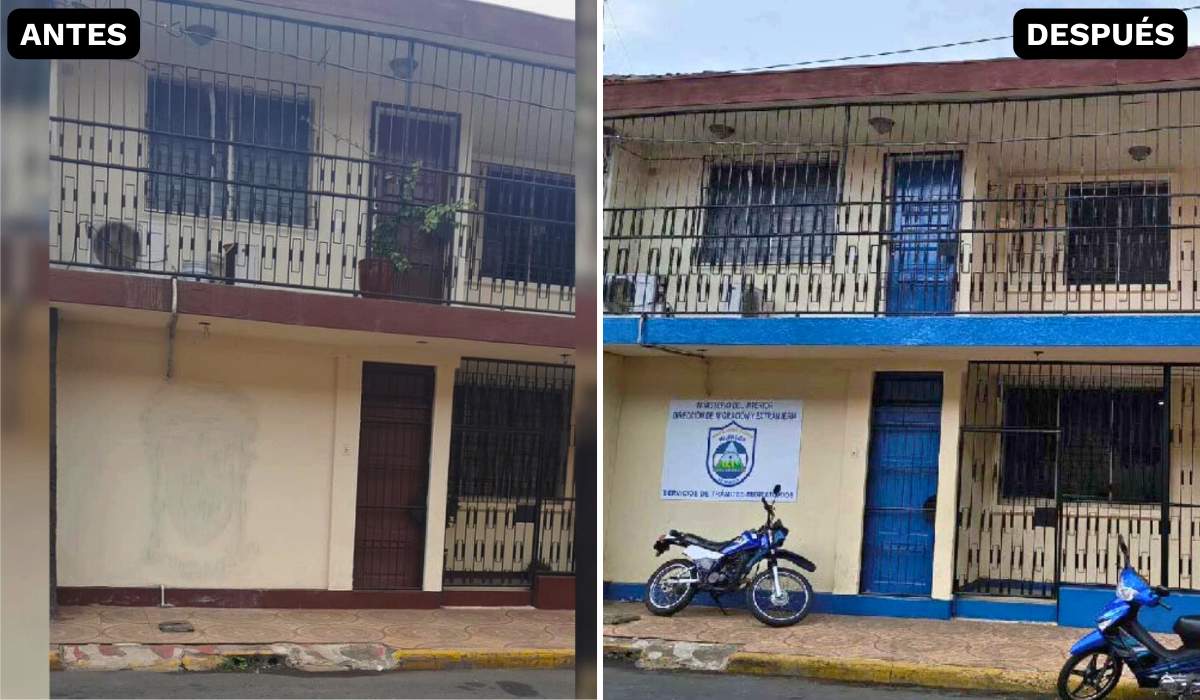
In the convent of the Poor of Jesus Christ Fraternity in León, the “awarded” institution was the General Directorate of Migration and Foreigners, under the Ministry of the Interior, which established a branch there. At first, they only put up a sign, and months later painted it to begin operations.
In the Americas, mass confiscations of the Catholic Church comparable to those carried out by Ortega and Murillo in Nicaragua have only occurred in two other countries.
The first took place in Mexico, between 1856 and 1863, when 310 convents and monasteries were closed following the approval of the Reform Laws, promoted by President Benito Juárez. These laws laid the foundations for the separation of Church and State in Mexico, according to the General Archive of the Nation.
At that time, the Catholic Church owned a large portion of Mexico’s agricultural and livestock lands. It had estates, urban land, schools, universities, and other assets that, once nationalized, were either sold or converted into public buildings.
However, unlike the Mexican reforms, which aimed to establish a secular state, the Nicaraguan measures seek solely to impose the totalitarian rule of a dictatorship that defines itself as “Christian.”
The second country was Cuba, with the mass confiscations ordered by Fidel Castro following the Agrarian Reform Law approved in May 1959. Castro expropriated U.S. companies and large estates to transfer them to the State. His actions provoked economic sanctions from the United States, but the communist leader did not stop.
In 1961, the government nationalized education and healthcare, bringing all private schools, hospitals, clinics, and asylums — including those belonging to the Catholic Church — under state control. Approximately 350 Catholic schools and universities were confiscated, according to Cuban journalist and historian Dimas Castellanos, in an interview published by Diario de Cuba.
“Hundreds of members of religious orders and thousands of nuns dedicated to education had to be sent to other countries,” Castellanos recounted. Processions were banned, and priests were expelled. One of the most emblematic cases was the transfer of 132 religious members to Spain on the ship Covadonga on September 9, 1962.
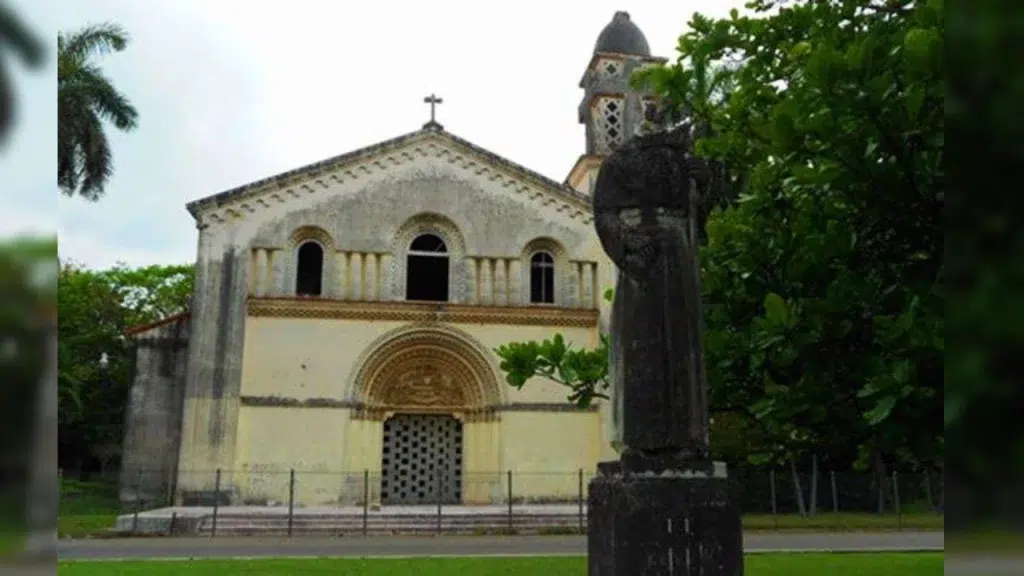
Fifty years after the occupation, the Cuban regime began returning some of the confiscated properties to the Church. The first returns occurred in 2009 but were not publicly reported until 2013. Among these properties is the chapel of the former University of Santo Tomás de Villanueva, west of Havana, according to Martí Noticias.
Enrique López Oliva, a professor of the history of religions at the University of Havana, said at the time that there are two factors behind the returns: “One is economic, since the Cuban government lacks the resources to maintain this infrastructure, which is deteriorating,” and the other is “to give the image that relations with the Churches are improving.”
Other returns have taken place “in secret.” According to Monsignor José Félix Pérez, spokesperson for the Cuban Conference of Catholic Bishops: “In recent years, very little has actually been returned. Some dioceses have received a plot of land or a building, but much still remains to be returned,” he told Diario Cuba.
The confiscation of NGO properties in Nicaragua was officially codified with the creation of the General Law for the Regulation and Control of Nonprofit Organizations (Law 1115) in March 2022. It established that in cases where an organization’s legal status is canceled, “the now-renamed Attorney General’s Office shall proceed ex officio with the transfer of movable or immovable assets to the State of Nicaragua.”
However, the dictatorship had already been confiscating properties de facto for four years, rebranding them as public assets. This was the case with CONFIDENCIAL’s newsroom, which was raided and occupied in December 2018 and turned into a supposed “maternal home” in February 2021.
In September 2024, the regime also amended Law 641 of the Penal Code, establishing that “assets or properties” of those who commit money laundering, terrorism, or its financing inside or outside Nicaragua shall be subject to confiscation — all crimes used to persecute the opposition.
To date, the total number of assets confiscated since 2018 is unknown. In May 2024, an investigation by the Pro-Transparency and Anti-Corruption Observatory (OPTA) estimated losses from confiscations at over 250 million dollars, though this figure only accounted for roughly 24 properties.
Determining the full scale of the theft is also difficult due to the silence of those who fear speaking out. In the case of the Church, neither the Cuban Episcopal Conference nor the Vatican has commented on the confiscations. The affected congregations and foundations — except for the Jesuits — have also opted not to speak. Even exiled or excommunicated priests prefer not to give statements, citing concerns about affecting priests and Church operations that continue to function in Nicaragua.
The dictatorship also shut down 17 Catholic television and radio stations, allegedly for “not having the proper operating permits or valid licenses.” Of these, 13 belonged to the Dioceses of Matagalpa and Estelí. The other four were affiliated with the Nicaraguan Episcopal Conference, the Diocese of Bluefields, and individual priests. It could not be confirmed whether the buildings and operational equipment of these four media outlets were confiscated.
The Church also lost state subsidies it had historically received from the General Budget of the Republic, which once amounted to 23.9 million córdobas. These funds had grown substantially since 2007, when Ortega returned to the presidency, in an effort to win favor with the Church — only to remove them in 2018 for “rebelling.”
In 2023, the dictatorship also ordered the freezing of the Catholic Church’s bank accounts for “investigation” over an alleged money-laundering case.
In a press release from May 2023, the police claimed they had “initiated investigations that led to the discovery of hundreds of thousands of dollars, hidden in bags located in facilities belonging to dioceses in the country,” without specifying which dioceses.
The freezing of bank accounts in Nicaragua’s financial system was widespread. It began with Church accounts in Estelí, then Matagalpa, Managua, and finally extended to the whole country. In the following months, it was applied to the personal accounts of several priests, as well as the retirement fund for retired clergy. To date, no details have been released about how much money was frozen or the outcome of the police “investigation.”
While the thefts continue, the dictatorship self-identifies as “Christian” and “solidary”, while simultaneously labeling the Church as “evil” and “demons” “disguised as religious,” celebrating its seizures as “victories for the people.”
In Murillo’s words: “All of that is returned to the people, because those who do good receive good, by their own right. That is why we say, more hospitals, health centers, universities.” Even if the properties are stolen.
Over three and a half years, the dictatorship of Daniel Ortega and Rosario Murillo dismantled 1,342 associations, foundations, ministries, and religious congregations, mainly linked to Catholic and Evangelical Churches in Nicaragua.
This includes 52 religious organizations that requested their own dissolution in an attempt to avoid confiscation, as has happened de facto with groups canceled for alleged violations. The Puerta de la Montaña Ministry, accused of money laundering, lost around five million dollars, according to its president and U.S. missionary Jon Britton Hancock. One of the properties, Rancho Colibrí in Matagalpa, was converted into a “Recovery Center for Addictions”, managed by an obscure “Fundación Nuevos Días”, which claims to operate under the advice and coordination of the Ministry of Health. The private center confirms that the regime profits from confiscated assets.
PUBLICIDAD 3M
PUBLICIDAD 3D

Alertas en tu celular
Suscribite a las alertas informativas de Confidencial en Telegram.

Boletines
Lo mejor de nuestra cobertura noticiosa en tu correo electrónico.

Anuncios
Obtené una propuesta comercial de acuerdo a tus objetivos y presupuesto.

Test Político
Explorá tus ideas sobre nuestra política, economía y sociedad con nuestro Test Político.