AA
Share

 Las noticias del día en tu correo
Recibe lo más destacado de la cobertura de CONFIDENCIAL todos los días.
Más boletines
The best of our coverage, in English
Sign up for our weekly newsletter. We will send it to you every Friday at 10:00 am (Nicaragua time)
More Newsletters
PUBLICIDAD 4D
PUBLICIDAD 5D
The Indigenous leader’s family members traveled from Bilwi to Managua to reclaim his remains. The dictatorship rejected their request and detained them

Glenis Panting Coleman, Alda López Bryan, Florencia Sarmiento, Jorge Webster Rojas, Jorbis Hendy López y Kurney Valle Bushy, desaparecidos desde el 31 de mayo de 2026.
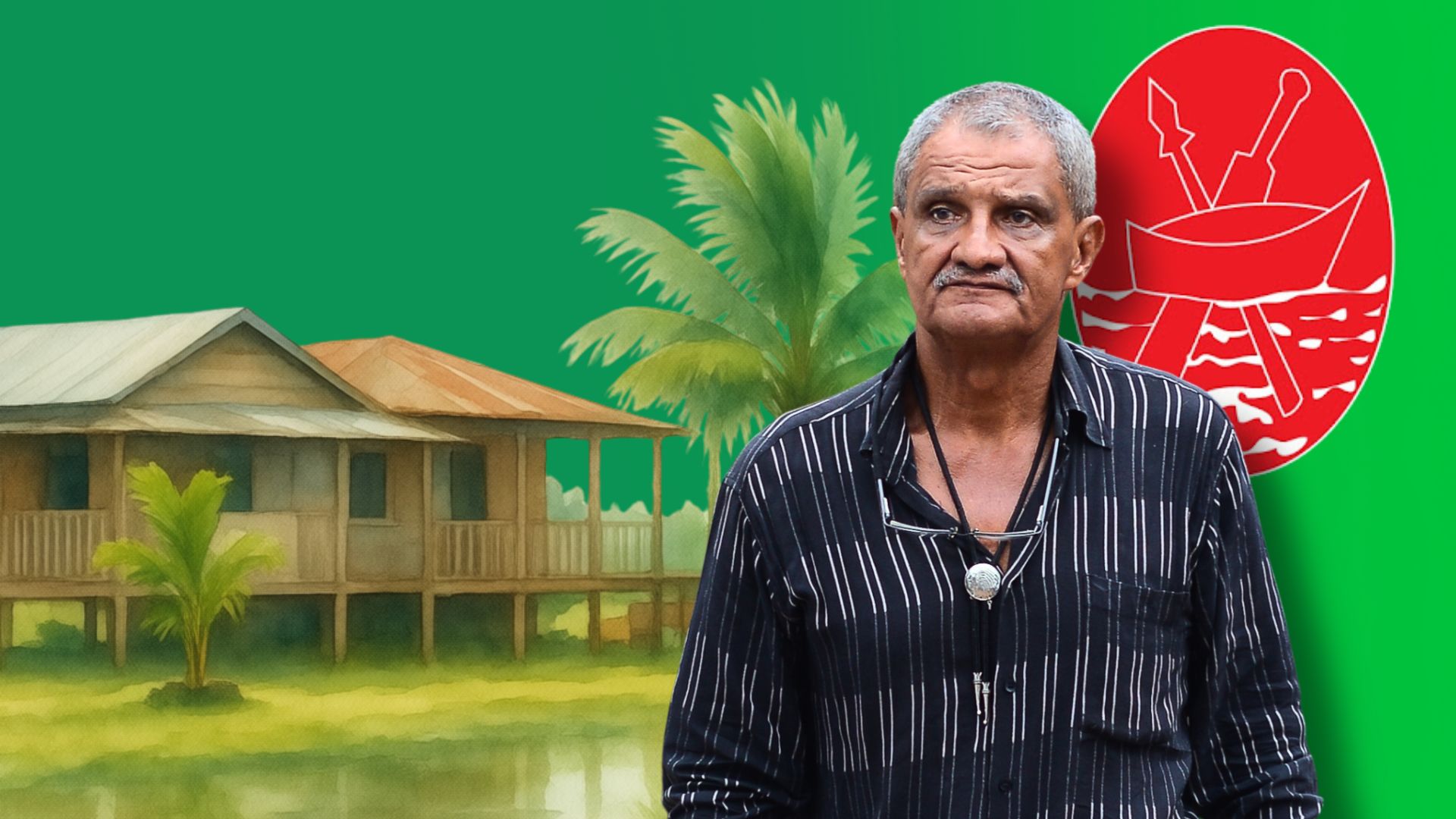
Six relatives and associates of Brooklyn Rivera have remained disappeared since May 31, 2026, when they traveled from Bilwi to Managua to claim the body of the Indigenous leader, who died while in the custody of the Daniel Ortega and Rosario Murillo regime.
Sources close to Yatama, the party founded by Rivera, said the six were allegedly detained by the regime after officials from the Institute of Legal Medicine refused to release Rivera’s body so that he could be buried in Sandy Bay, Bilwi, in accordance with his wishes.
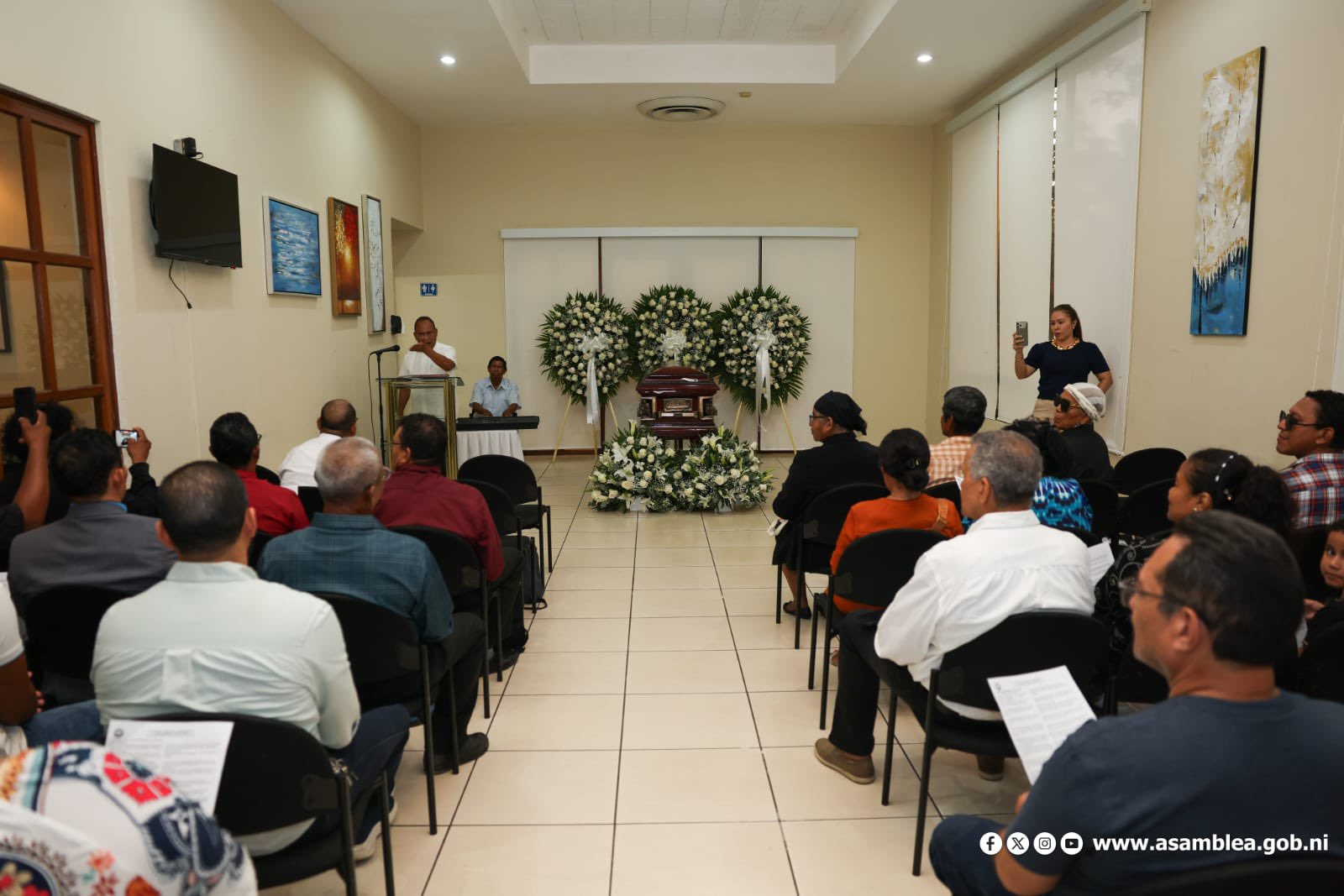
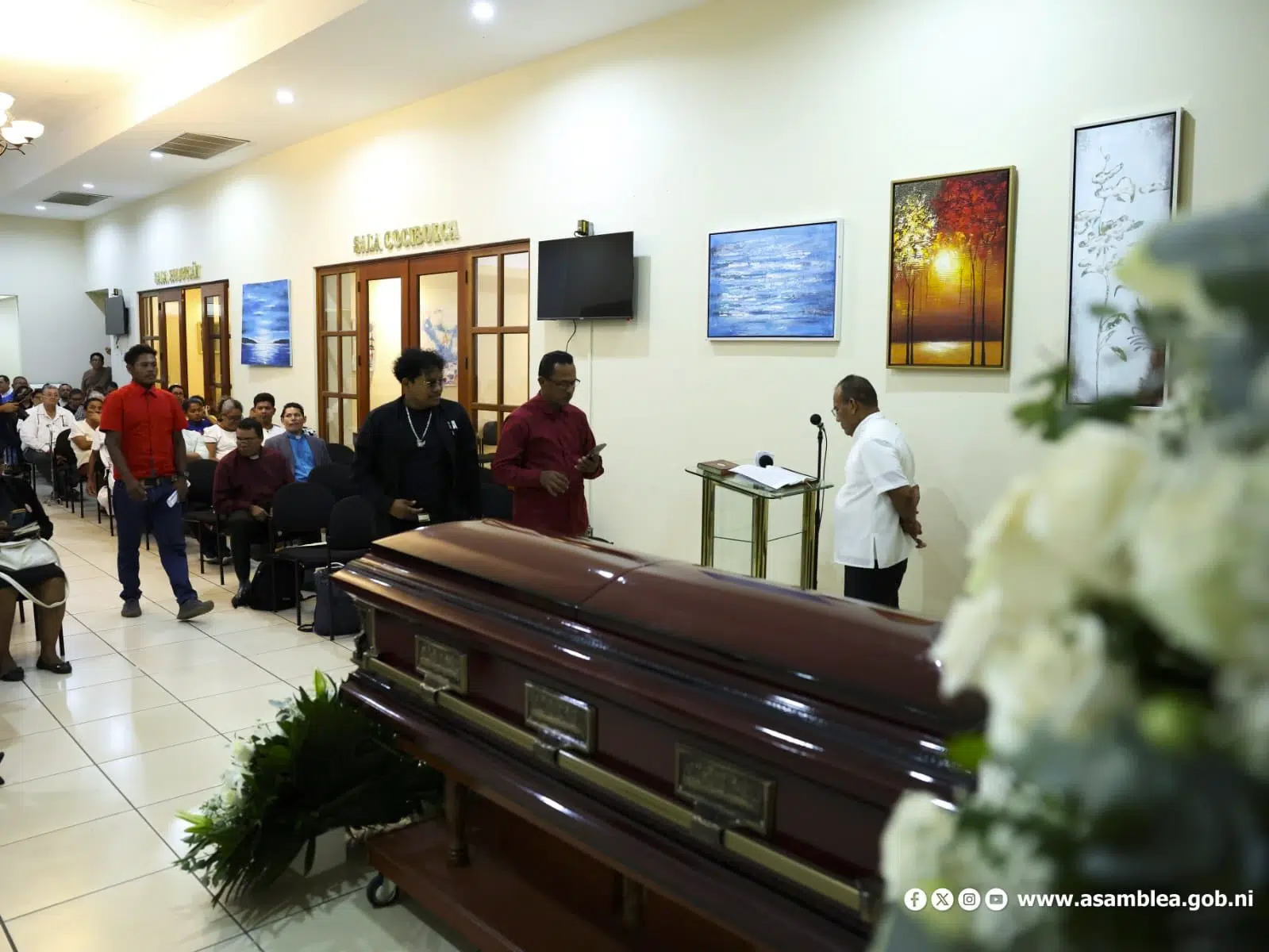
Rivera, 73, died on May 30, 2026, at 8:30 p.m., after more than 970 days of illegal detention. The regime confirmed his death a day later, kept his body under police custody, and ordered his burial in Managua, effectively maintaining control over his remains until they were buried.
Sources also say Rivera’s relatives did not participate in the funeral held in Managua on Murillo’s orders.
Those reportedly detained on May 31, 2026, after attempting to recover Rivera’s body are:
Sources initially included Waylandin Rivera, Brooklyn Rivera’s son, among those detained, but later confirmed that he was in a safe location.
Waylandin Rivera was reportedly at Fernando Vélez Paiz Hospital when his father died. There, he heard rumors that he would be detained if he attended the funeral, prompting him to go into hiding.
A source linked to the FSLN Secretariat said that following Rivera’s death, “there was concern within the Sandinista government that protests and unrest could break out in the North Caribbean region.” For that reason, authorities considered it “not prudent to authorize funeral services in Sandy Bay.”
Meanwhile, Yatama sources say that since the death of Taupla Brooklyn Rivera, as he was known in Miskitu communities, an atmosphere of “sadness and considerable tension” has prevailed across Nicaragua’s North Caribbean region.
They also report a visible police presence on the streets of Bilwi, reflecting the de facto police state that continues throughout the country.
The UN Human Rights Office joined international condemnations following Rivera’s death and expressed concern about the circumstances surrounding it, after he had been subjected to enforced disappearance and prolonged arbitrary detention.
“We have very serious concerns about the causes of his death, precisely because nobody knew his whereabouts until four days before the date of his alleged death,” UN Human Rights Office spokesperson Marta Hurtado said during a press briefing.
“The specific conditions of his detention over the years, including whether he had access to adequate medical care, and the exact sequence of events that led to his death remain unclear,” she added.
Hurtado said UN High Commissioner for Human Rights Volker Türk has called on Nicaraguan authorities to carry out an impartial investigation into Rivera’s death, echoing demands made by the UN Group of Human Rights Experts on Nicaragua.
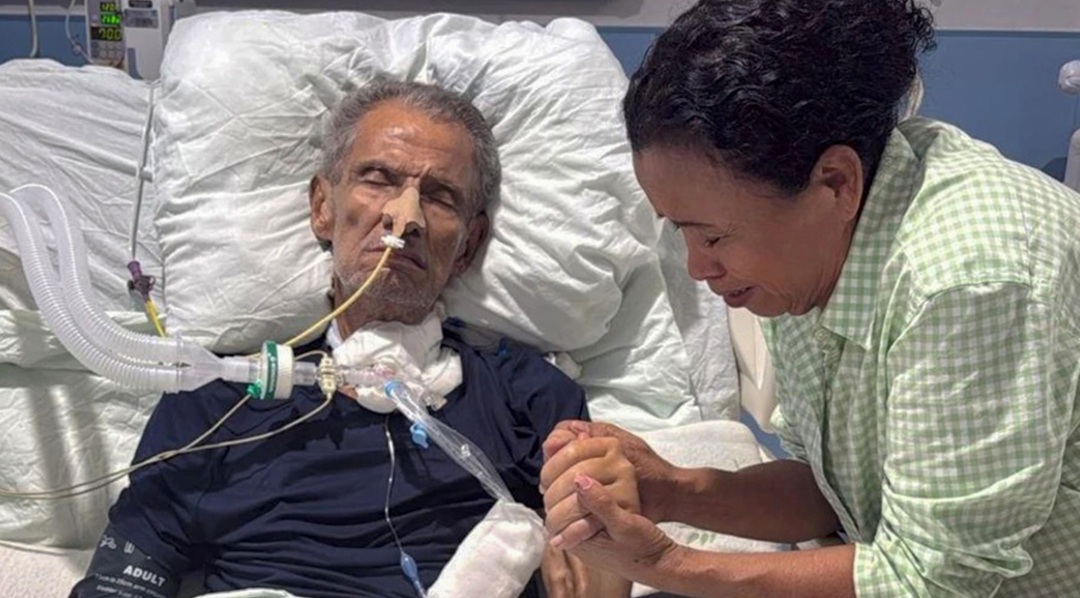
Rivera was arrested on September 29, 2023. Authorities concealed his whereabouts and the extent of his deteriorating health until May 27, 2026, when they released images showing the Indigenous leader in critical condition after nearly three years of enforced disappearance.
Calls for justice over the death of Brooklyn Rivera while in custody were joined by a group of 24 former foreign ministers from Latin America, who requested an “independent international investigation, with unrestricted access, to clarify the circumstances surrounding his death.”
The former diplomats made a “respectful but firm” appeal for the case to be treated “with the seriousness and urgency it deserves” at the upcoming meeting of Latin American foreign ministries to be held in June in Panama City.
“The death of an Indigenous leader while in state custody is not an internal matter; it is a direct challenge to democratic values and to hemispheric commitments on human rights,” the former foreign ministers emphasized.
The 24 signatories are:
Amnesty International (AI) called for an “independent” investigation into the death of the Indigenous leader while in state custody, stressing that the case “cannot be met with silence or impunity.”
“We urgently call on governments across the region and international protection mechanisms to demand accountability from the Nicaraguan state and to carry out a prompt, effective, thorough, independent, impartial, and transparent investigation that clarifies the circumstances of this potentially unlawful death,” the organization said in a statement.
“Brooklyn Rivera’s family has the right to know the truth,” added AI’s Americas Director, Ana Piquer, referring to the death of the co-founder of Yatama.
“Nicaraguan authorities have an obligation to provide Brooklyn Rivera’s family with immediate and unrestricted access to all information related to his detention, the conditions under which he was deprived of his liberty, and the circumstances of his death,” Piquer urged.
“They must also ensure the dignified return of his remains so that he may be laid to rest according to his wishes, while respecting his identity as a Miskito Indigenous leader and the traditions of his people,” she added.
*With information from EFE
PUBLICIDAD 3M
PUBLICIDAD 3D