AA
Share

 Las noticias del día en tu correo
Recibe lo más destacado de la cobertura de CONFIDENCIAL todos los días.
Más boletines
The best of our coverage, in English
Sign up for our weekly newsletter. We will send it to you every Friday at 10:00 am (Nicaragua time)
More Newsletters
PUBLICIDAD 4D
PUBLICIDAD 5D
25% U.S. tariff on any nation that “does business” with Iran would affect Nicaraguan exports, employment and public finances.

El presidente de Nicaragua, Daniel Ortega, sonríe con el entonces presidente iraní, Ebrahim Raisí, durante la visita a Managua en junio de 2023. | Foto: CCC
U.S. President Donald Trump’s decision to impose a 25% tariff on any nation that “does business” with Iran would deal another blow to Nicaragua’s exports, which are already subject to an 18% tariff, well above its Central American neighbors, a region in which the U.S. market is the main destination for its production.
Nicaraguan exports totaled $7,521.85 million in 2024, of which $3,640.69 million went to the United States (48.4% of the total), according to statistics from the Ministry of Development, Industry and Trade.
“A country like Nicaragua, which has a strong trade relationship with the United States, would feel the impact of such tariff impositions,” financial analyst Daniel Suchar told EFE.
The impact would not be limited to exports, but would also have direct effects on “employment, public finances and the balance of payments,” he added.
Trump announced on January 12, 2026, the imposition of a 25% tariff on imports from countries with trade relations with Iran. The executive order that would put this charge into effect—along with details of its technical implementation—has not yet been published in the Federal Register.
But it clearly represents another setback for Nicaraguan exports to the United States, which already face an 18% levy. This has reduced Nicaragua’s competitiveness compared to its neighbors in the region, which pay 10%, with the exception of Costa Rica (15%).
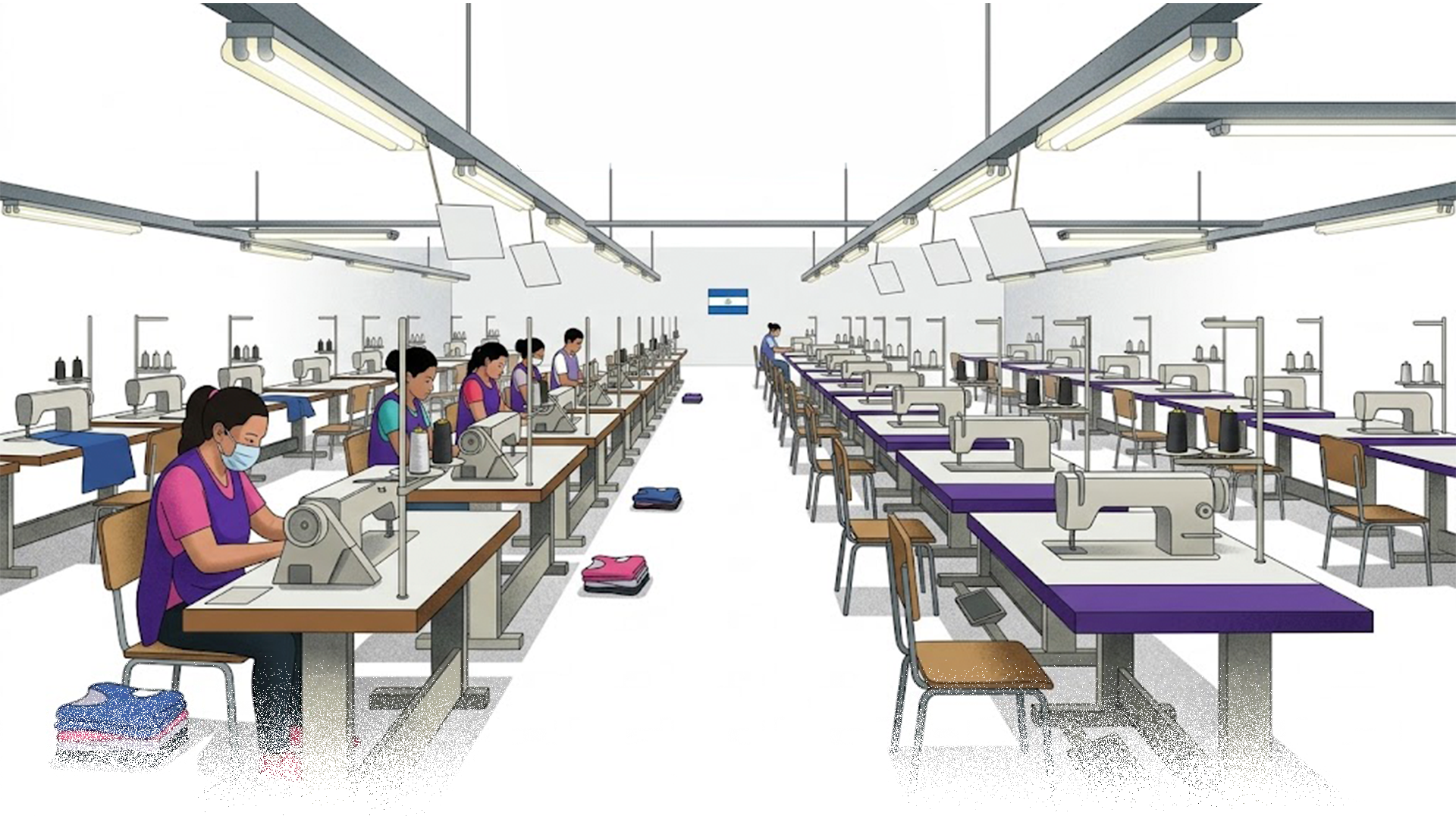
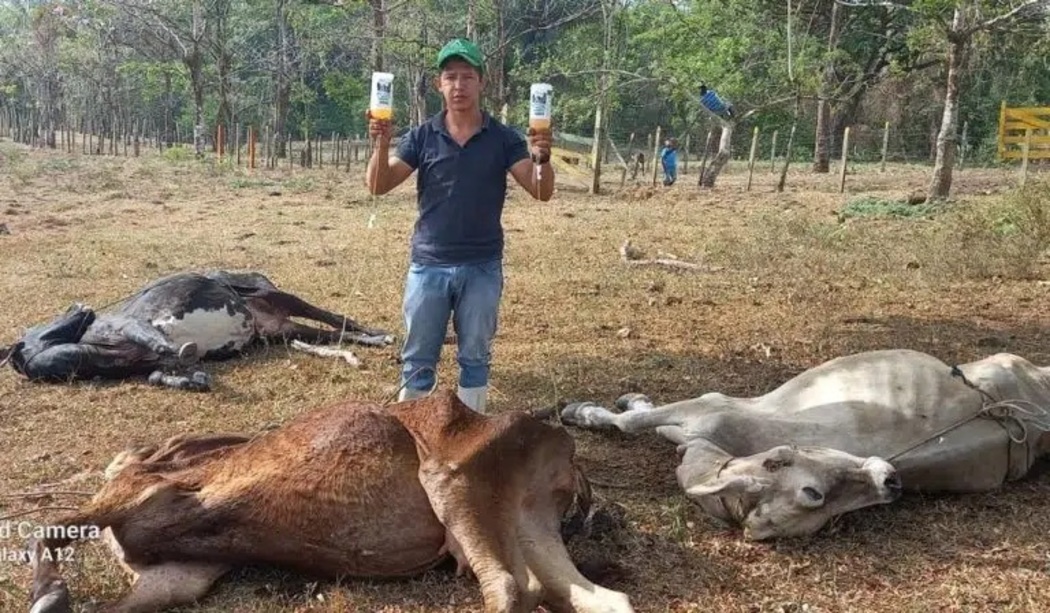
The main products Nicaragua exports to the United States—such as coffee, meat, sugar, gold, and textiles—would lose competitiveness, which could translate into lost contracts, reduced exports, and a direct impact on employment, in an economy highly dependent on the U.S. market, Suchar explained.
The tariff announced by Trump, at a time when thousands of Iranian protesters were dying in the streets during a wave of repression by Persian authorities, places Nicaragua in a vulnerable position due to the political ties and economic agreements signed with the Islamic Republic since 2023. So far, the Nicaraguan presidency has issued no comments on the measure.
In June 2023, during the visit to Managua by the then Iranian president, Ebrahim Raisi, the two governments signed three memorandums of understanding. Among them, the creation of a Joint Intergovernmental Commission for economic, trade, and scientific cooperation stands out.
The political alliance was reaffirmed in February 2025, when Laureano Ortega Murillo—son of co-presidents Daniel Ortega and Rosario Murillo and the official in charge of the government’s diplomatic and trade relations—stated that Nicaragua and Iran maintain a political and ideological alliance against what he called “the empire,” in reference to the United States.
However, bilateral trade between Managua and Tehran is almost nonexistent. According to available data, in 2022 Nicaragua’s sales to Iran reached $111,000, while imports of Iranian products totaled $30,000 in 2023.
In view of this panorama, political analyst and former congressman Eliseo Núñez said that the Ortega–Murillo government’s room for maneuver is limited, though he does not rule out that Managua may try to distance itself from Tehran.
“It wouldn’t surprise me if they renounce these treaties with Iran through a resolution by the National Assembly,” he noted.
Economist Marco Peña believes the situation is especially delicate because the United States views Nicaragua as an access point for extra-regional actors considered “hostile.”
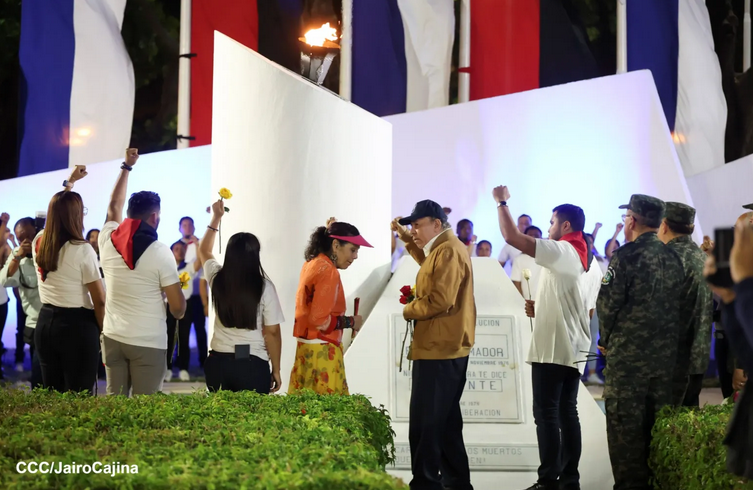
Ortega, 80, has maintained a close political relationship with Iran for 19 years, since returning to power in Nicaragua. The Nicaraguan leader—who also governed for a decade after the victory of the Sandinista Popular Revolution—has on various occasions described Iran’s Islamic Revolution and the Sandinista Revolution as “sister revolutions,” having both come to power in 1979.
PUBLICIDAD 3M
PUBLICIDAD 3D

Alertas en tu celular
Suscribite a las alertas informativas de Confidencial en Telegram.

Boletines
Lo mejor de nuestra cobertura noticiosa en tu correo electrónico.

Anuncios
Obtené una propuesta comercial de acuerdo a tus objetivos y presupuesto.

Test Político
Explorá tus ideas sobre nuestra política, economía y sociedad con nuestro Test Político.