AA
Share

 Las noticias del día en tu correo
Recibe lo más destacado de la cobertura de CONFIDENCIAL todos los días.
Más boletines
The best of our coverage, in English
Sign up for our weekly newsletter. We will send it to you every Friday at 10:00 am (Nicaragua time)
More Newsletters
PUBLICIDAD 4D
PUBLICIDAD 5D
The initial hearing in Yadira Córdoba’s case is scheduled for September 22, 2025, where a judge will decide the next steps in her process

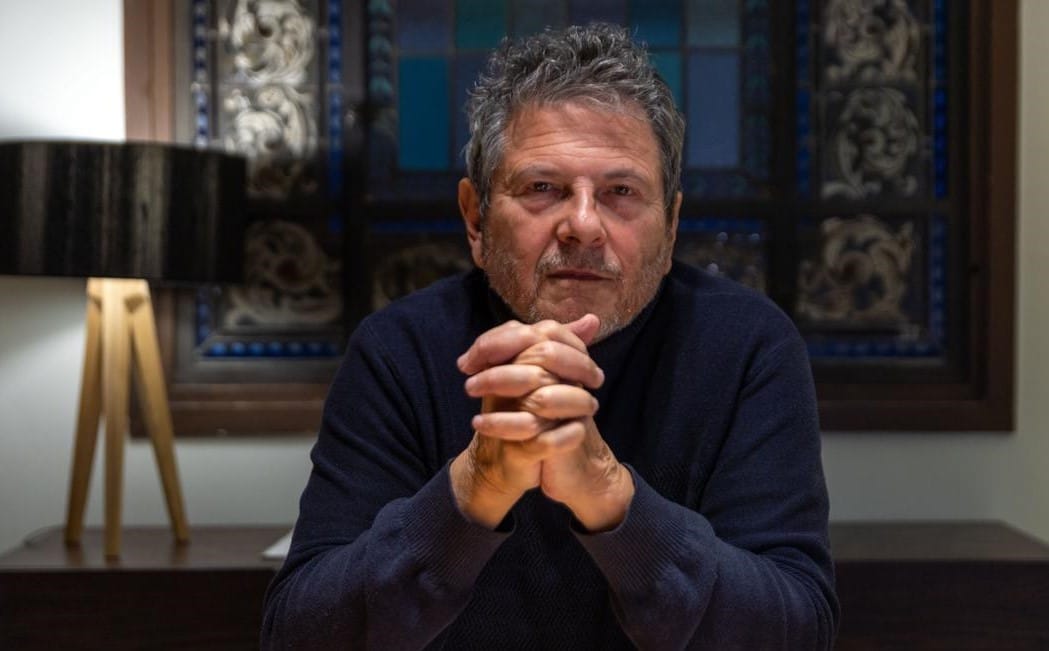
Yadira Córdoba, madre Orlando Córdoba, uno de los adolescentes asesinados durante las protestas antigubernamentales de 2018. //Foto: Colectivo de Derechos Humanos Nicaragua Nunca Más
Yadira Córdoba, a member of the April Mothers — women whose children were killed during the 2018 protests in Nicaragua — is being held at a detention center in San Antonio, Texas, while awaiting her political asylum hearing in the United States. She was detained by U.S. Immigration and Customs Enforcement (ICE) agents on August 20, 2025, during a routine immigration appointment.
Córdoba arrived in the United States in 2023 and applied for political asylum due to persecution by the regime of Daniel Ortega and Rosario Murillo. Her 15-year-old son, Orlando Córdoba, was killed during a demonstration in Nicaragua on May 30, 2018, on the country’s Mother’s Day.
Human rights defender Pablo Cuevas recounted that, weeks before being detained, Córdoba appeared before an immigration judge, who scheduled a second hearing for 2026. However, after receiving an appointment at the ICE office in San Antonio, Texas, she went to the office as instructed, “and that’s where, without any reason, they took her into custody,” he emphasized.
Immigration attorney Arno Lemus, who is handling Córdoba’s defense, told Telemundo 51 that the April Mother is now facing an expedited removal process due to a processing error at the border.
“Expedited removal isn’t a process of automatic deportation, but simply enduring the discomfort of defending the asylum claim from inside a detention center. She has the right to tell her story, speak about her life, and explain why she fears returning. She has a very sad story,” the attorney clarified.
The error in Córdoba’s case, Pablo Cuevas explained, is that “when someone crosses the border and turns themselves in [asks for asylum], the authorities are supposed to note that the person has expressed credible fear and allow them to continue the process in freedom. However, neither she nor many others who crossed the border were marked as having credible fear,” he added.
Cuevas said that the office of attorney Lemus discovered, when searching for Yadira Córdoba in the online court system, that she has a hearing scheduled for September 22, 2025.
“It’s a preliminary audience, even though she already had one – they’re starting all over again from scratch,” explained the human rights lawyer.
Yadira’s family, human rights organizations, released political prisoners, and the April Mothers Association (AMA) are all engaged in gathering evidence to support her case.
According to Attorney Cuevas, the Group of Human Rights Experts on Nicaragua (GHREN) has been in contact with the office of Cordoba’s attorney and offered “all the evidence they’ve compiled on the assassination of her teenage son Orlando, and the persecution that she herself suffered in Nicaragua.”
“We’re speaking with experts, qualified people, whose words hold great weight. Also, I understand that the Center for Justice and International Rights (CEJIL) wants to speak with the lawyer. The April Mothers Association has already issued a statement, and there’s been a meeting with Ronald Cordoba (Yadira’s other son) who has offered a series of evidence,”” Cuevas declared.
In 2024, Córdoba told CONFIDENCIAL that she left Nicaragua due to subtle threats that were delivered to her through the pastor of the church she attended. “They even told him to speak with me because they knew I was taking to the streets with the Nicaraguan flag, participating in marches and protests, and they asked him to advise me because they didn’t want anything to happen to me,” she said.
Before moving to the United States, Córdoba stayed in Costa Rica, where she arrived in 2021 to continue her pursuit of justice for the murder of her son Orlando.
In addition to killing her son, the dictatorship had stolen her peace of mind. “They were persecuting me. I first moved to a different home in Nicaragua, but they didn’t stop until they found me (…) and that’s why, so they wouldn’t silence me, I had to leave the country,” she explained at the time.
PUBLICIDAD 3M
PUBLICIDAD 3D

Alertas en tu celular
Suscribite a las alertas informativas de Confidencial en Telegram.

Boletines
Lo mejor de nuestra cobertura noticiosa en tu correo electrónico.

Anuncios
Obtené una propuesta comercial de acuerdo a tus objetivos y presupuesto.

Test Político
Explorá tus ideas sobre nuestra política, economía y sociedad con nuestro Test Político.