AA
Share

 Las noticias del día en tu correo
Recibe lo más destacado de la cobertura de CONFIDENCIAL todos los días.
Más boletines
The best of our coverage, in English
Sign up for our weekly newsletter. We will send it to you every Friday at 10:00 am (Nicaragua time)
More Newsletters
PUBLICIDAD 4D
PUBLICIDAD 5D
Victims’ families preserve memory of 2018 protests, a cornerstone of Nicaragua’s fight for justice

Ilustración: Confidencial
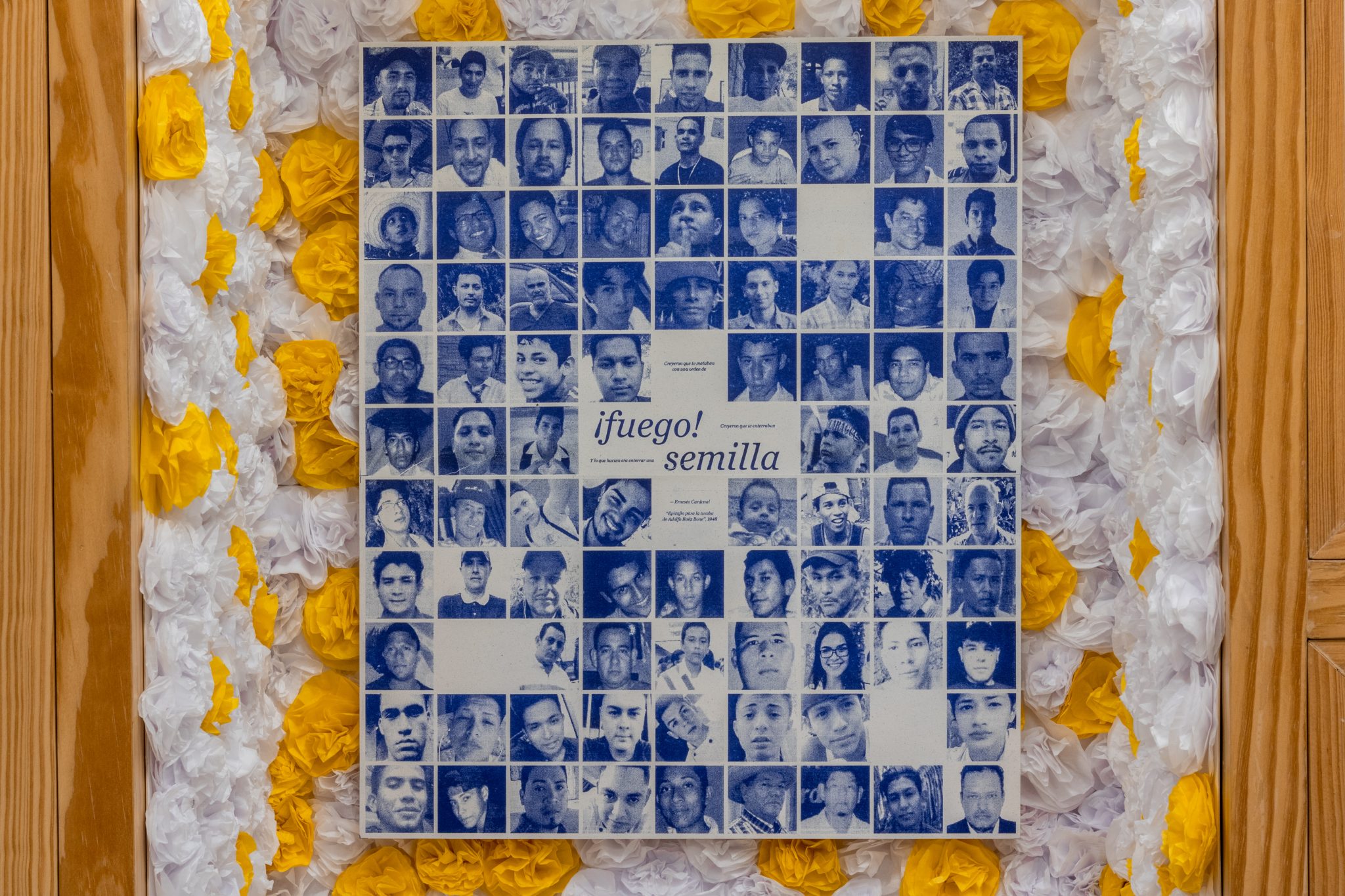
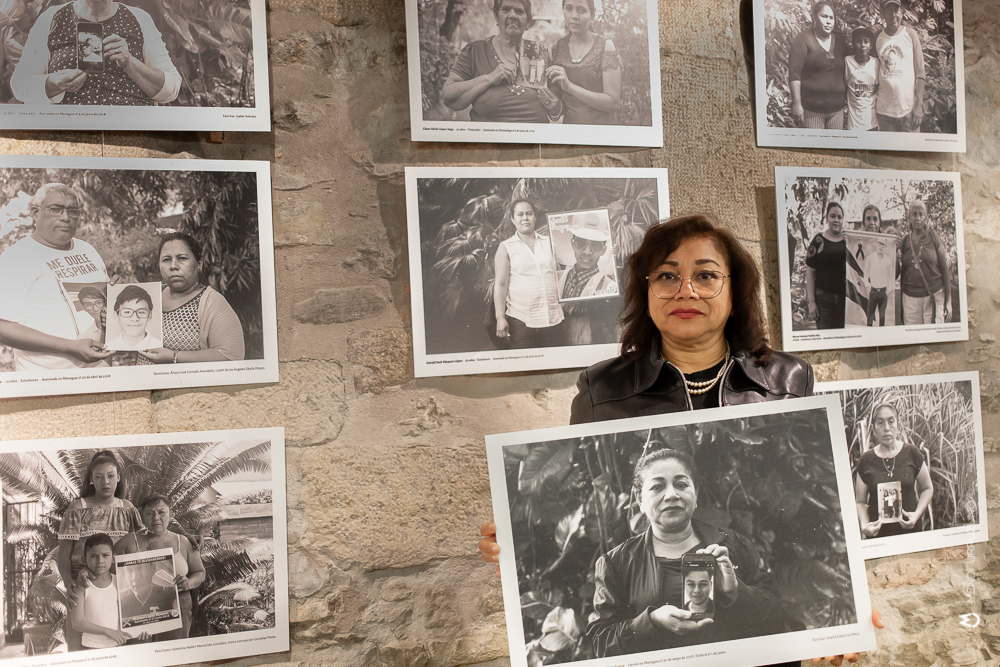
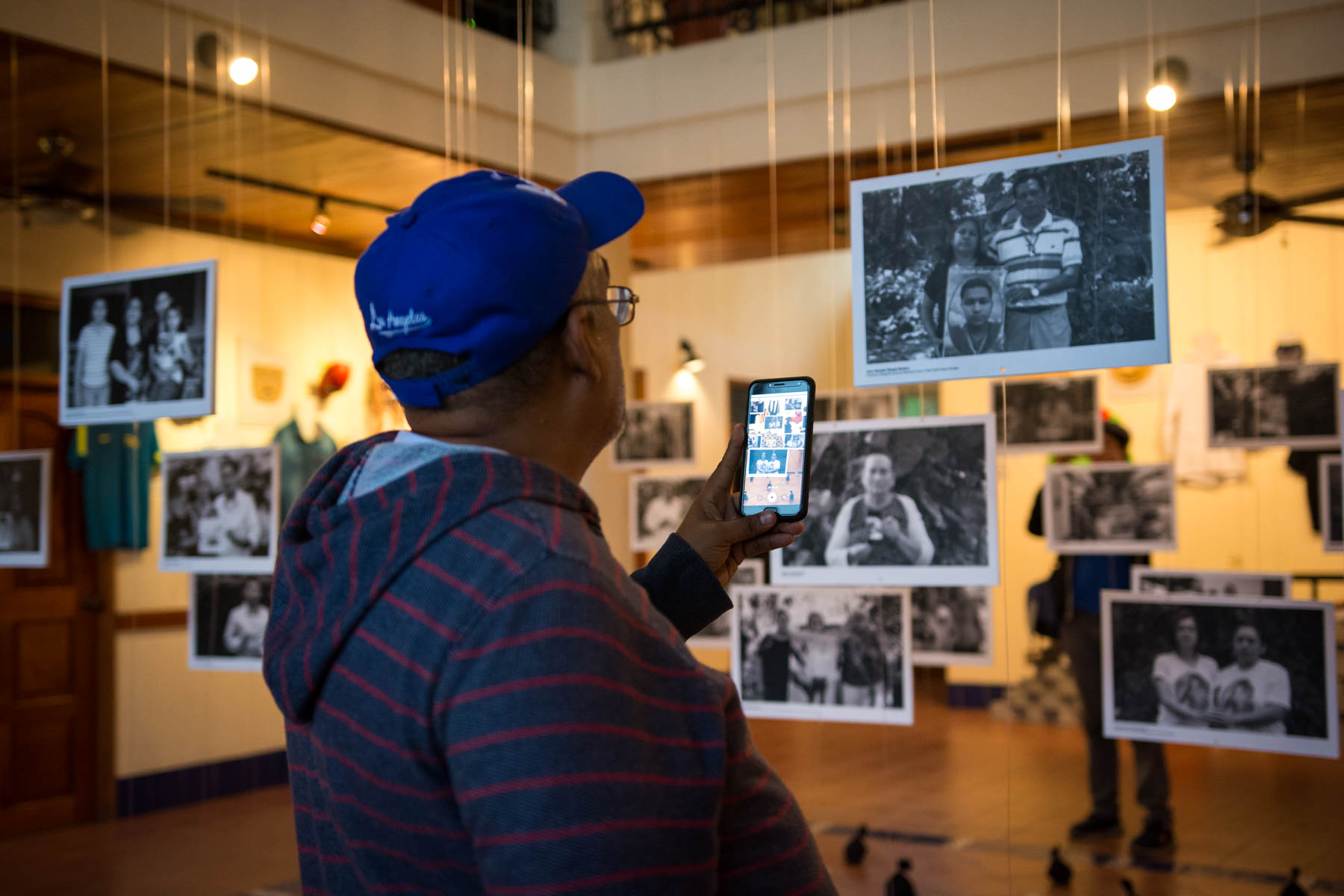
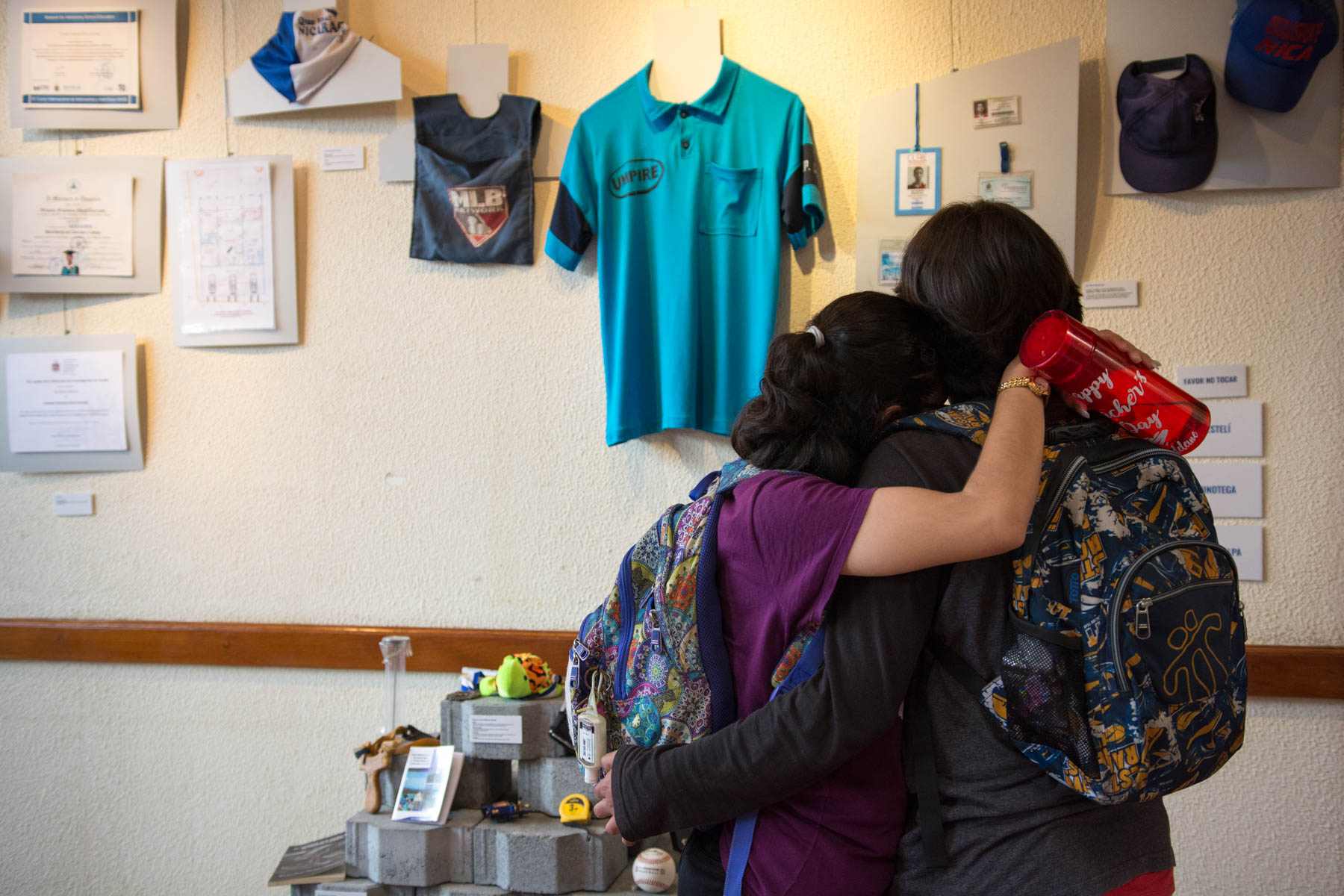
The images exhibited at Ama y No Olvida, Museo de la Memoria contra la Impunidad, remind Francisca Machado of “everything that happened in April” 2018, in Nicaragua. But they also remind her of the “responsibility” she took on to preserve the memory of her son, Franco Valdivia, and the other 354 victims of repression in the country, until those responsible for their murders are brought to justice.
The memory of Franco with his four-year-old daughter fills her with emotion. Eight years have passed since his murder, on April 20, 2018, and his case has been documented by national and international organizations, but continues in impunity. The pain for her loss and the search for justice “is what keeps me going,” reflects Machado, who chairs the Mothers of April Association (AMA).
She says the pain is something that “never goes away” and has become the main driving force for the families of those killed in Nicaragua. Through the Museum of Memory Against Impunity, they challenge the narrative of Daniel Ortega and Rosario Murillo’s government, which criminalizes citizens who took part in the civic protests and sustains a climate of impunity in the country.
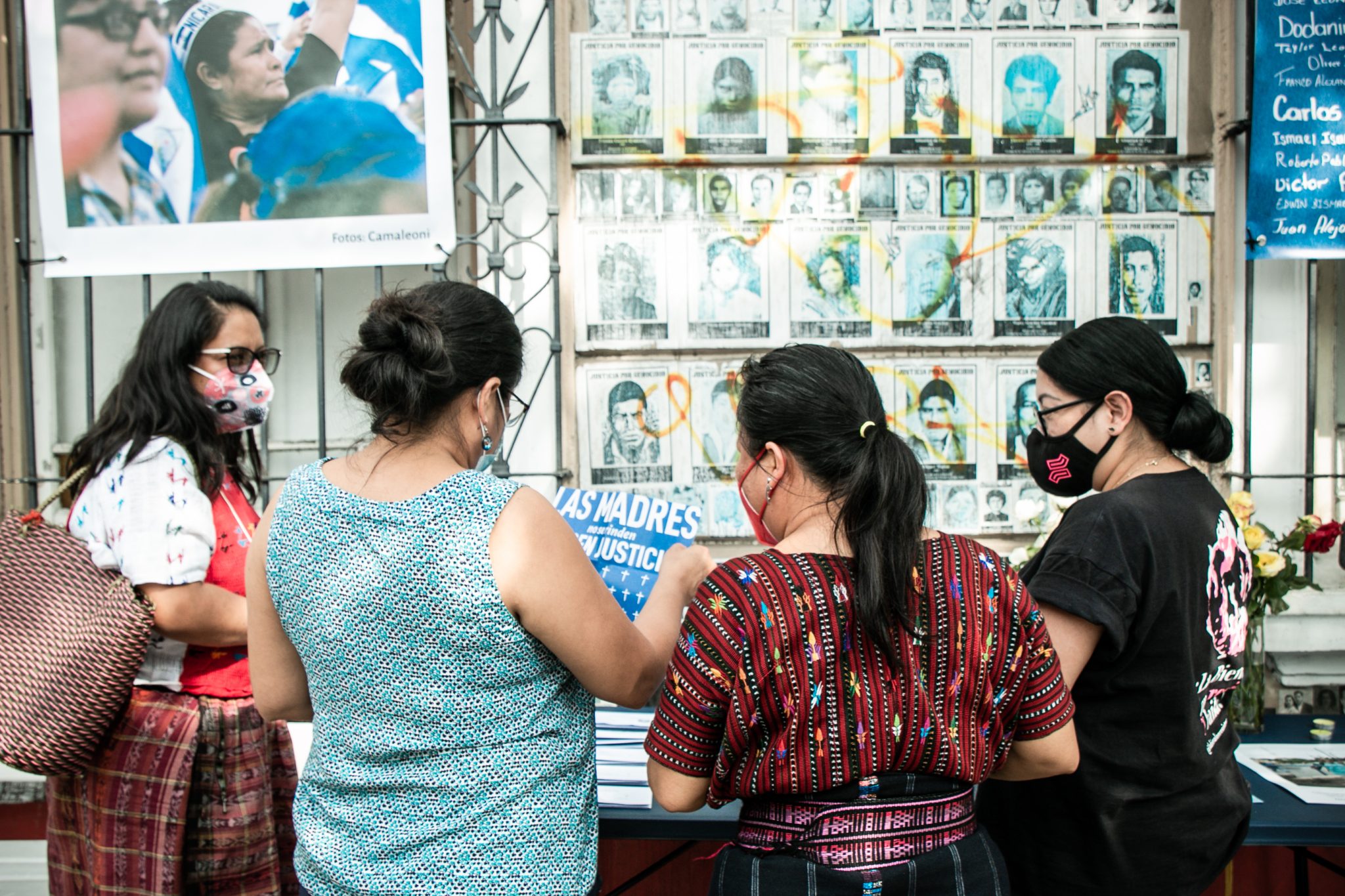
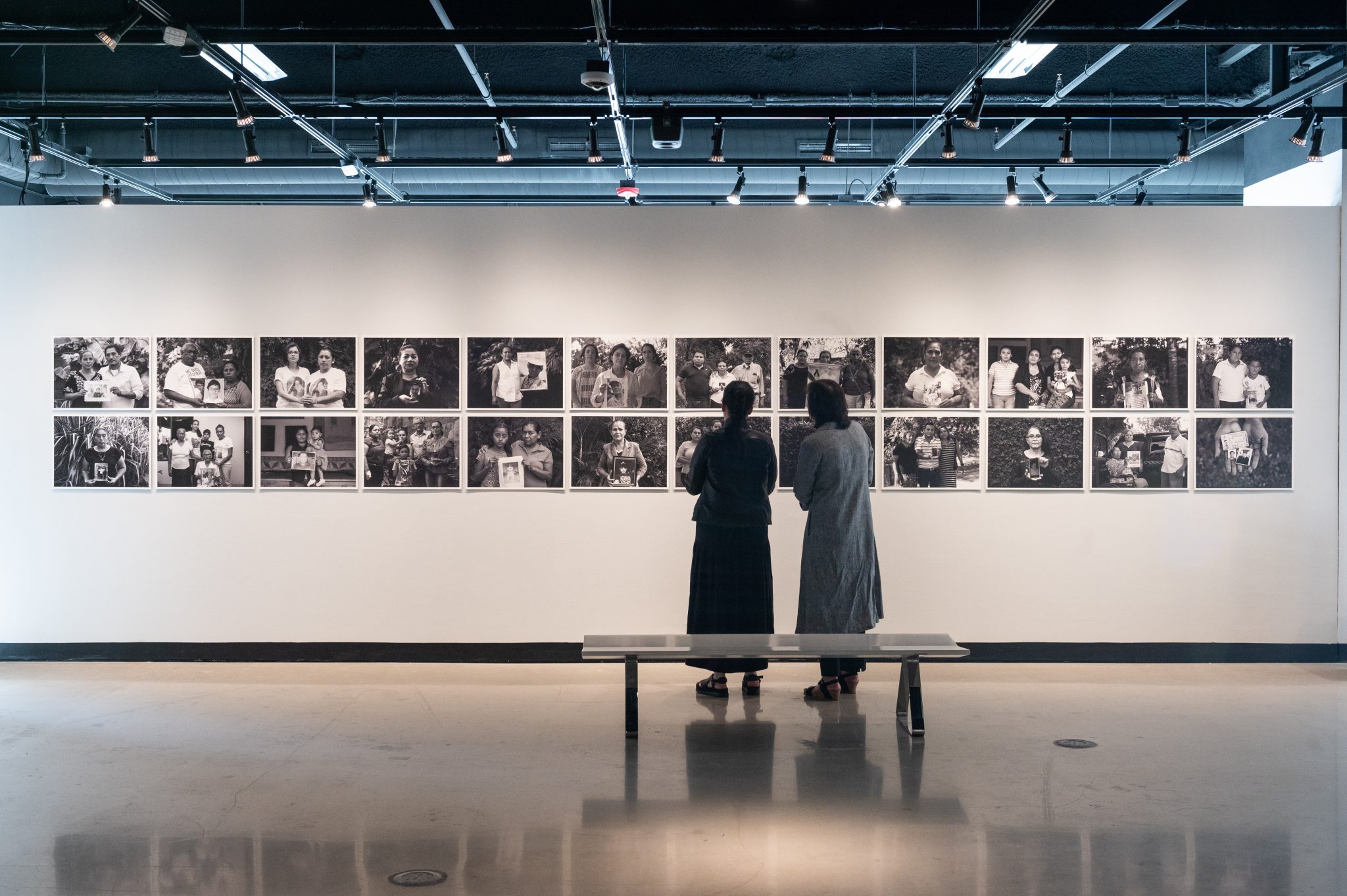
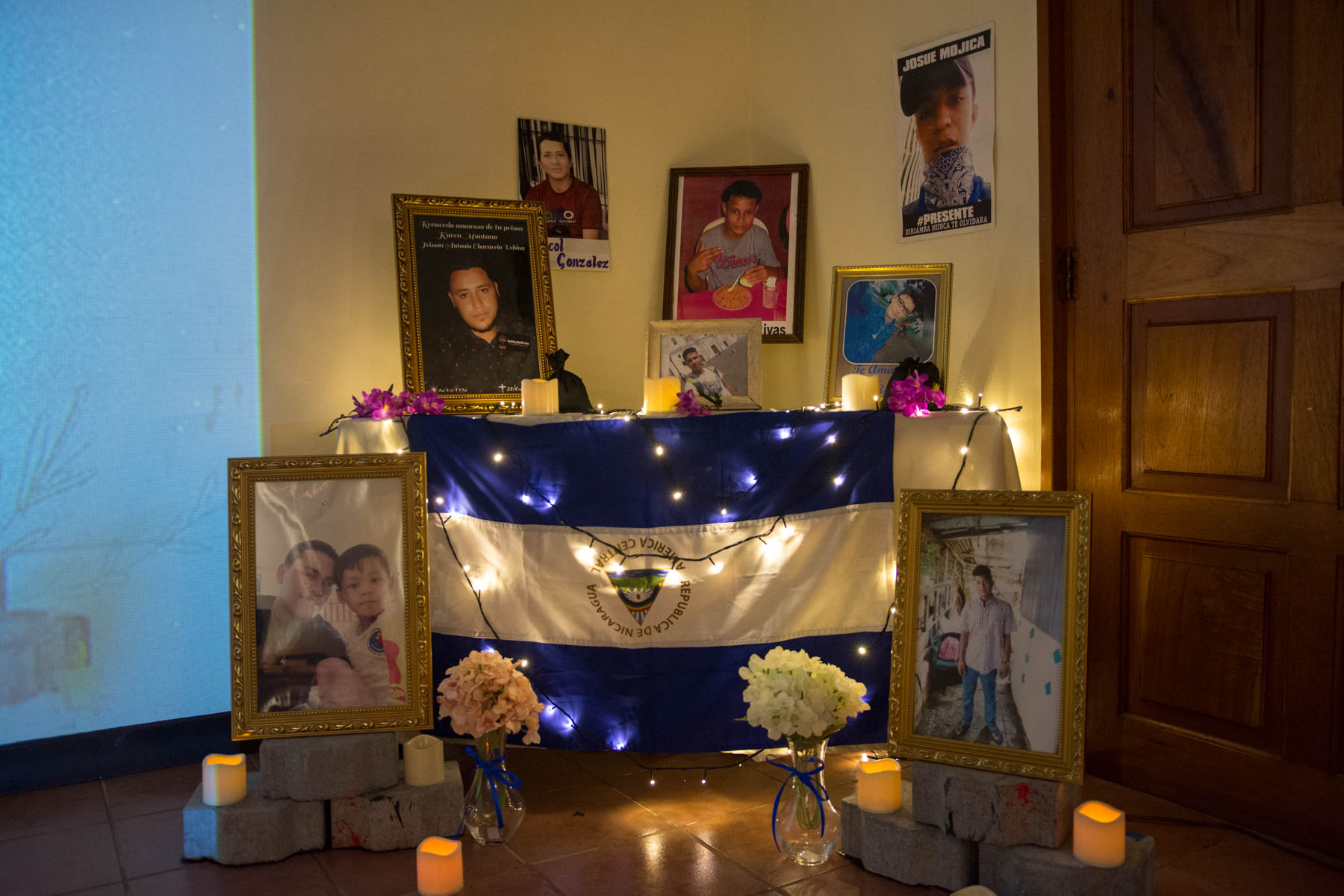
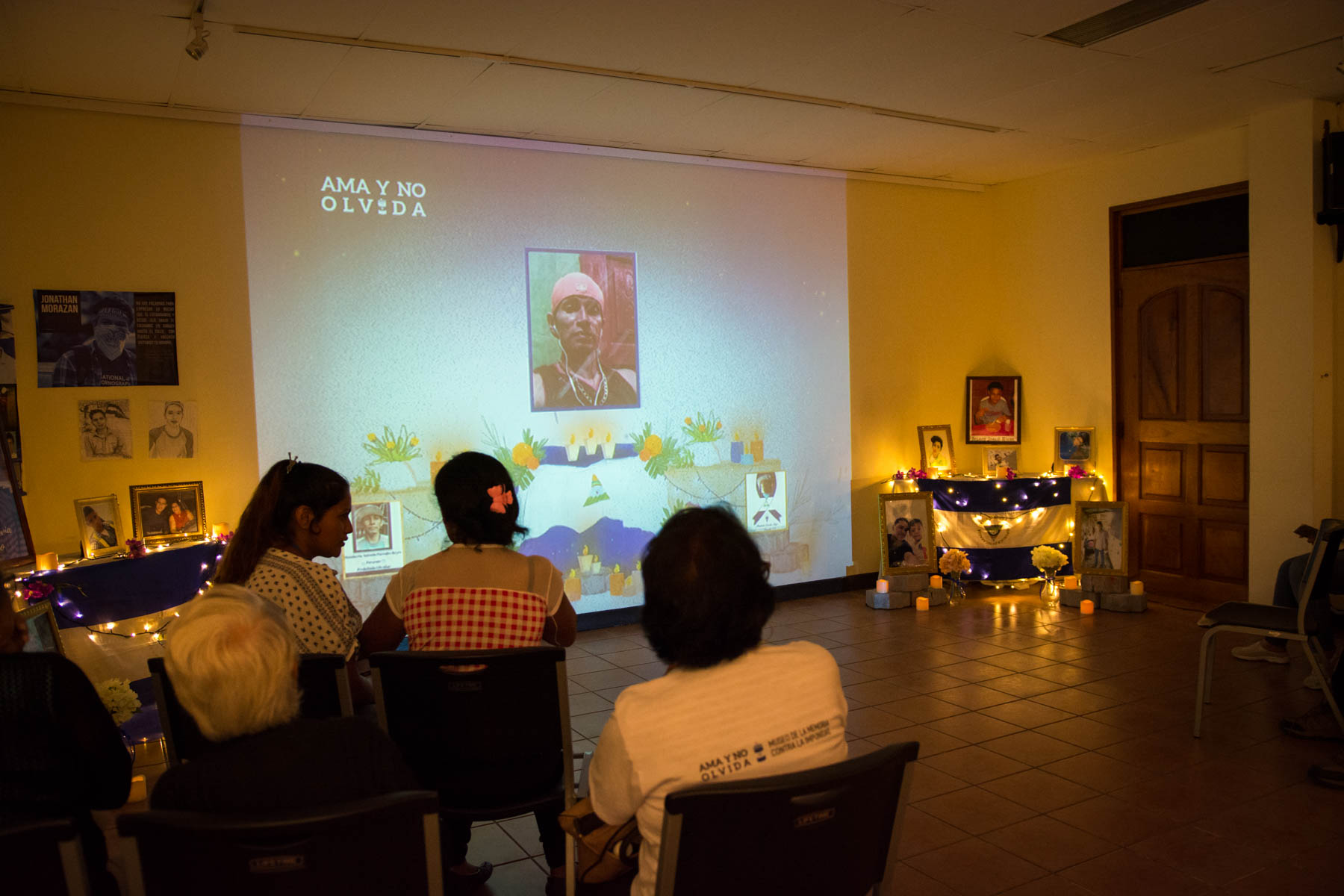
Ama y No Olvida, Museum of Memory Against Impunity, is a space created in 2019 as a “Memory Bank” for Nicaragua. Through accounts of events, photographs, videos, profiles of victims of state violence, and various documents, it offers a way to understand the broader context of the social protests.
The museum also reconstructs the stories the government tried to silence, providing a space where the voices of those who were killed can be heard and recognized.
“The government tried to erase the memory, the truth of what happened. So we (AMA) pushed for the museum, we created that space to honor the victims… to tell who our children were, to tell the truth about what happened,” says Francisca Machado, a Mother of April.
Emilia Yang, director of Ama y No Olvida, Museum of Memory Against Impunity, says that in this space the victims are “present.” She explains that the concept of a museum-altar allows them to “honor them while also telling the truth about who they were, what happened to them, and strengthening the demand for justice.”
The museum was created “with a participatory approach,” in which victims’ relatives took on “an active role” in gathering information, Yang says. She adds that this search for photographs and documents, which prove the murders and repression, was done with the accompaniment of the Nicaraguan Center for Human Rights (Cenidh), the Nicaraguan Academy of Sciences (ACN), and volunteers.
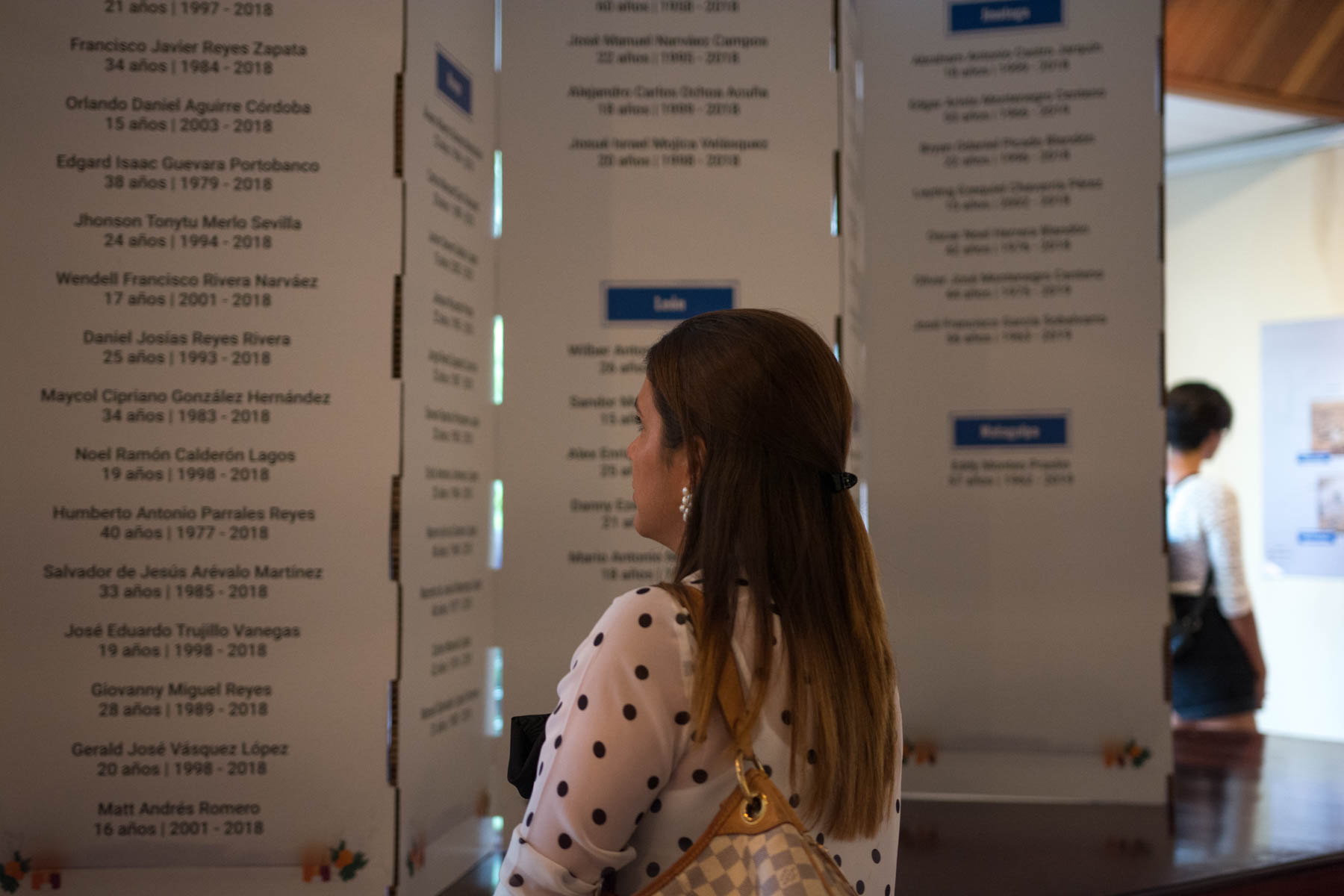
In addition to making victims visible, Ama y No Olvida documents “patterns of violence, records individual cases, and shows how the violence was systematic across different locations, because we have also presented the various cities where the killings occurred,” Yang explains.
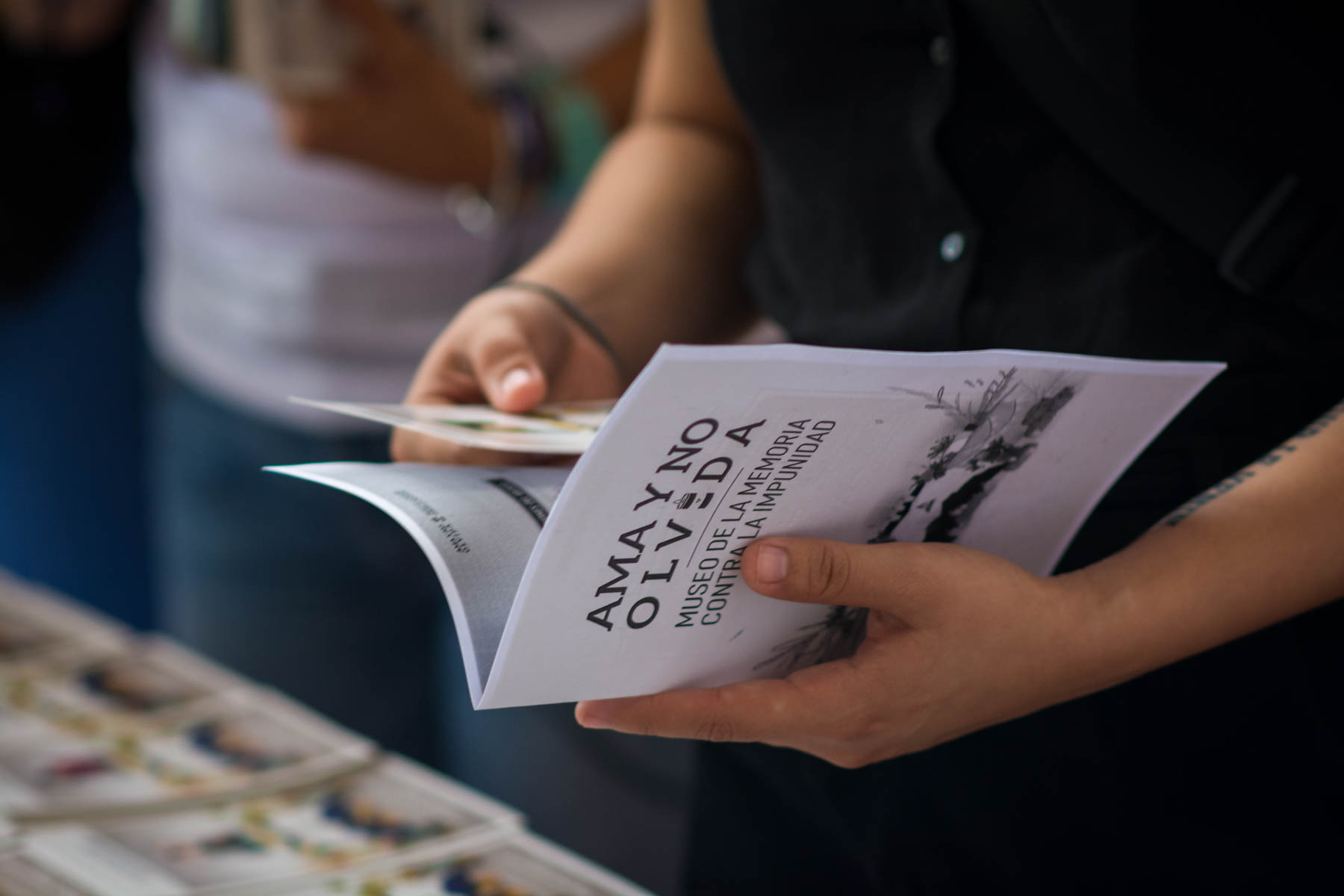
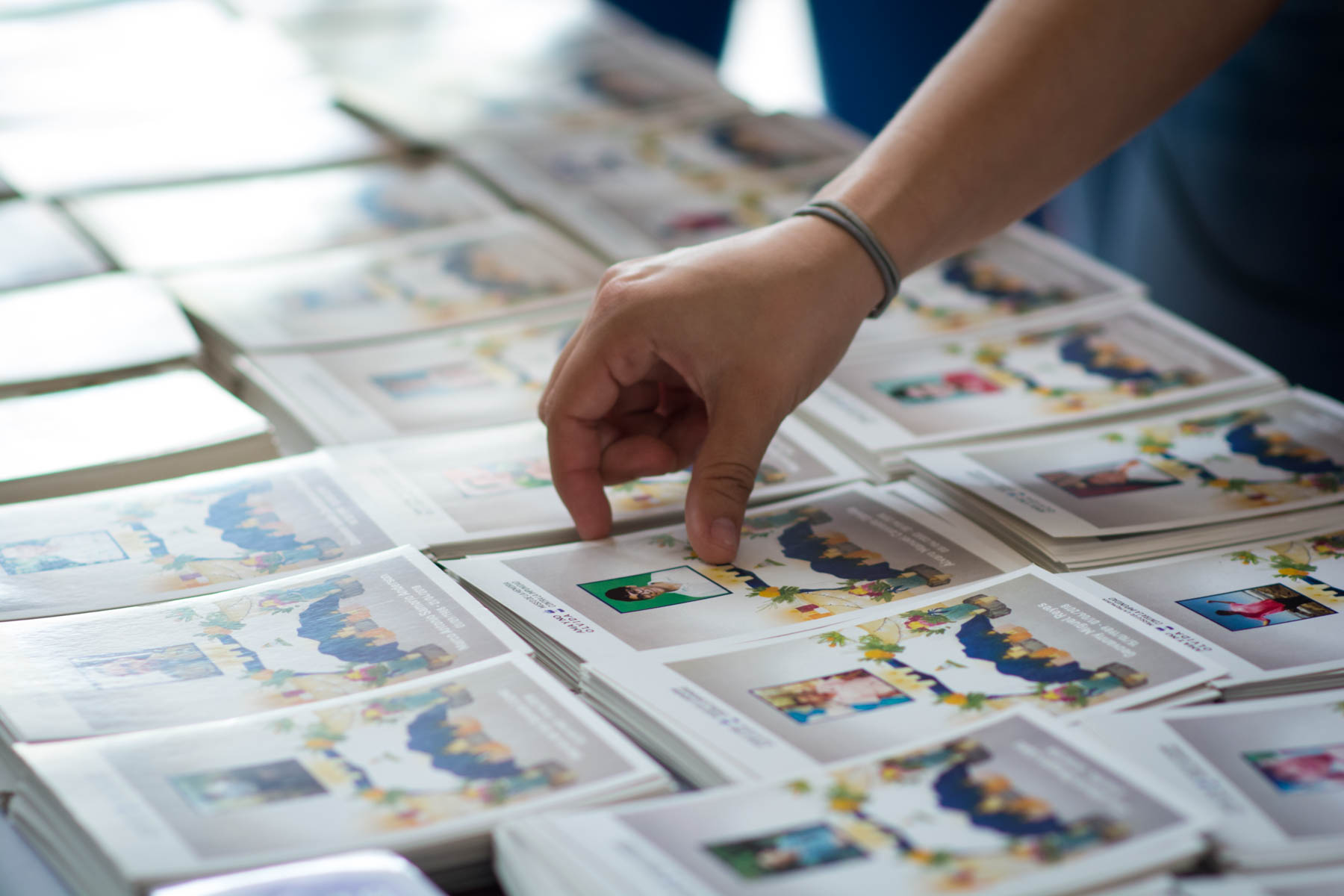
In 2021, the museum released its interactive book “AMA y Construye la Memoria. Libro Arte Interactivo”, as a resource in the fight against forgetting and impunity. But the government intensified repression against victims’ families, forcing many into exile.
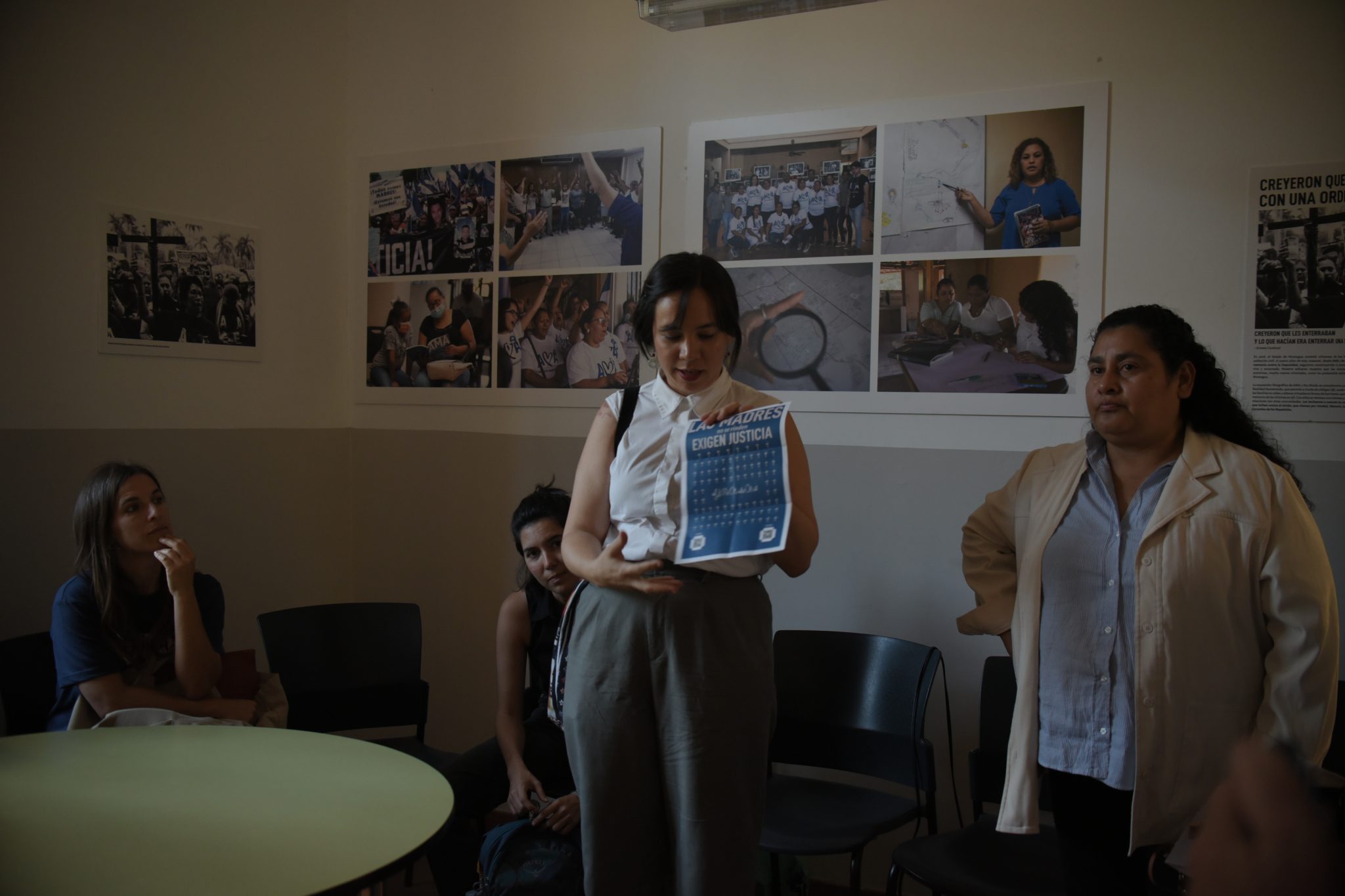
During the presentation of the interactive book, “the police seized the books and also attacked some of the mothers. That’s when we realized we couldn’t hold in-person activities,” the museum’s director recalls. Since then, Ama y No Olvida has operated through traveling exhibitions and social media.
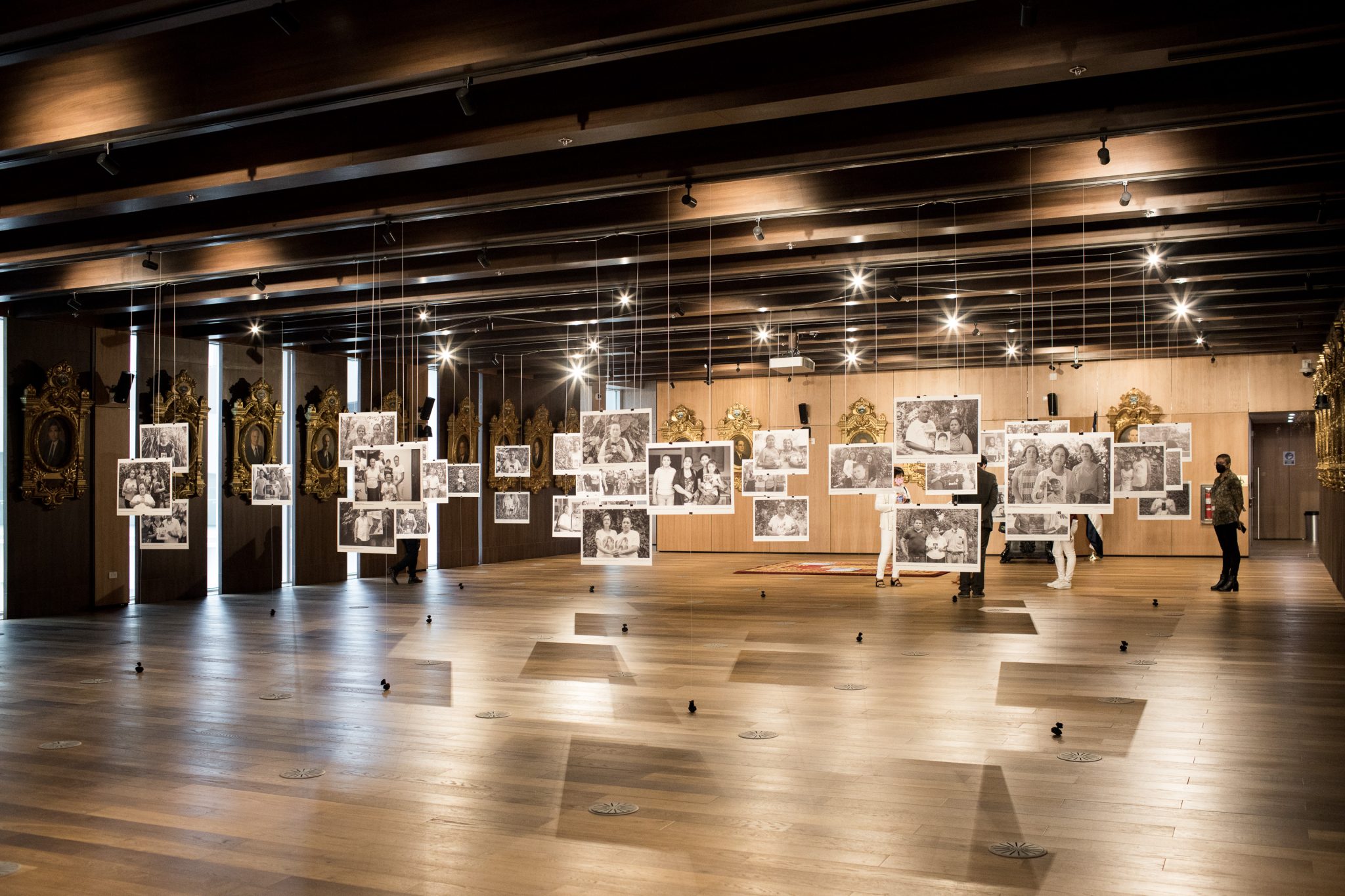
More than twenty showings of the Museum of Memory Against Impunity’s traveling exhibition have been presented across the Americas, Asia, and Europe. These include venues such as Costa Rica’s Legislative Assembly, the city councils of Montpellier, France, and Zaragoza, Spain, as well as Geneva, Switzerland, in the context of Nicaragua’s Universal Periodic Review at the United Nations in 2024.
No Posts Found
It has also taken place in art and design museums and Human Rights festivals in cities such as San José, Guatemala City, Buenos Aires, California, New York, Madrid, Cologne and Berlin. In addition, at universities in the United States, Costa Rica and Spain.
Guatemalan jurist Claudia Paz y Paz, who was part of the Interdisciplinary Group of Independent Experts (GIEI) created by the Inter-American Commission on Human Rights (IACHR) to investigate human rights violations in Nicaragua during 2018, values that memory spaces, such as Ama and No Olvida, are “fundamental” to establish the truth of what happened in the country.
From a human rights perspective, it is fundamental “to know what happened, how it happened, who the perpetrators of serious human rights violations were,” explains Paz y Paz. “Among the rights of transitional justice, there is talk of the right to truth, the right to memory and the obligation of States to remember,” adds the director of the Program for Central America and Mexico of the Center for Justice and International Law (CEJIL).
In the case of Nicaragua, where the regime is trying to erase the memory of what happened, “the AMA museum fulfills the fundamental task of remembering who the murdered people were, what their lives were, what their dreams and hopes were, how they related to their families, to the community, and to remind us that they also died for a cause, for the defense of democracy at that time, and that their murder was absolutely unjust”, emphasizes Paz y Paz.
The fact that the memory of the victims is being preserved by their families, warns the former member of the GIEI, is “a very valuable act of love for their families, but also of love for Nicaragua. Because the truth “is a very necessary requirement for the reconstruction of democracy in the country, even if it is not possible now”, she remarks.
At Ama y No Olvida, it is made clear that “our children are not numbers—they are stories, dreams, and lives that the Nicaraguan State took from us,” says Francisca Machado, a Mother of April.
Preserving the memory of the victims from exile “is no small task,” emphasizes Paz y Paz. These are “pieces of evidence of the grave crimes that took place” in Nicaragua in 2018, which were documented “almost in real time.” Although no trials have been held so far, she notes, “this is a process that will continue in the future” within the country.
“That is why the work that has been done to recover, from the voices of those who lived through it, what actually happened is so important,” stresses the former member of the GIEI.
Aware of the importance of preserving victims’ memory, their relatives organized in AMA show a “strong commitment,” Yang observes. However, they face a range of challenges tied to their new reality in exile.
“In exile, you have to rebuild your life, figure out how to make a living. All the AMA families who have gone into exile have faced many difficulties—stability, migration processes, employment. All of this adds to the challenge of keeping memory alive,” underscores the director of Ama y No Olvida.
In addition, security “remains a challenge for us, both nationally and internationally,” Yang explains, referring to the Ortega-Murillo regime’s transnational repression against opponents in exile, as documented by the Group of Human Rights Experts on Nicaragua (GHREN).
Beyond preserving the memory of the dictatorship’s crimes in 2018, the traveling exhibition of Ama y No Olvida is also an important tool for international advocacy. It enables connection with the Nicaraguan diaspora and the broader international community.
The museum “helps many people who, perhaps, do not understand the scale and the severity of what happened in Nicaragua, to understand it. Not through numbers or documents, but through real stories, as told in each of the museum’s presentations,” Paz y Paz emphasizes.
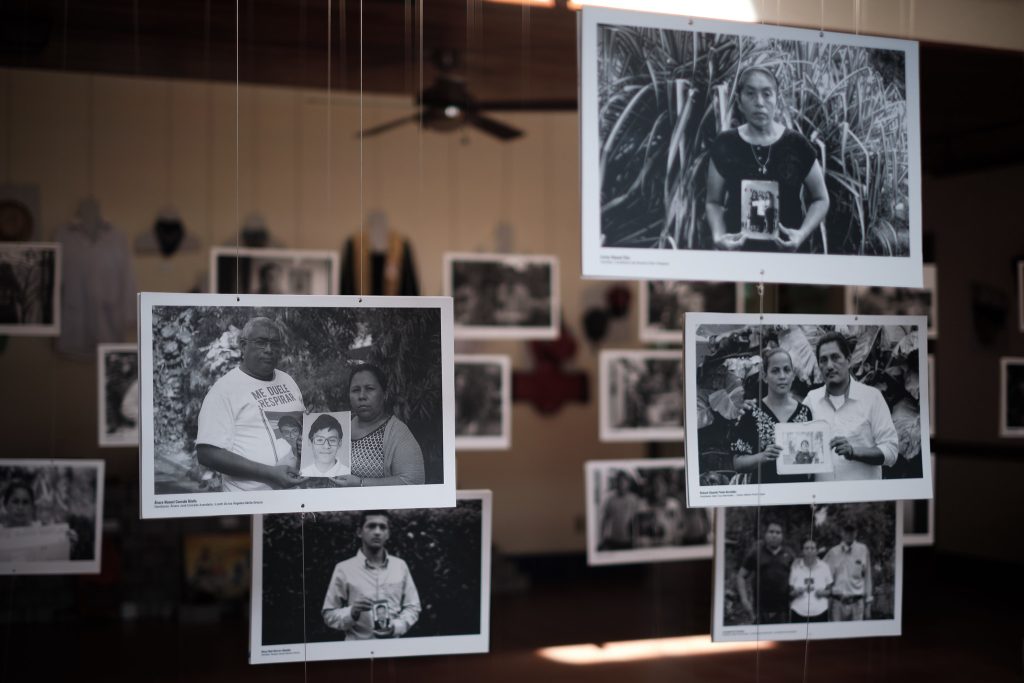
Paz y Paz, Yang, and Machado agree that Ama y No Olvida, Museum of Memory Against Impunity is not only a place to remember the past, but also a tool to transform the present and prevent similar events from happening again.
The museum “is a way of already exercising our right to truth and our right to justice in the present. Even though we are living under a dictatorship, even though there is repression, even though there is complete denial, we are still exercising our rights,” Yang emphasizes.
Paz y Paz highlights that the work carried out through Ama y No Olvida is “extremely valuable,” and “will serve as a starting point for national justice processes, which we hope will take place in the near future, and for now, for international justice processes, since that is not yet possible in Nicaragua.”
“Memory is not about staying in the past; it is about defending the truth so these crimes are not repeated,” Machado warns. She concludes that “as long as we keep speaking their names, our children will continue to live on in the fight for justice.”
PUBLICIDAD 3M
PUBLICIDAD 3D