22 de July 2026
AA
Share

 Las noticias del día en tu correo
Recibe lo más destacado de la cobertura de CONFIDENCIAL todos los días.
Más boletines
The best of our coverage, in English
Sign up for our weekly newsletter. We will send it to you every Friday at 10:00 am (Nicaragua time)
More Newsletters
PUBLICIDAD 4D
PUBLICIDAD 5D
The United States condemns Nicaragua’s authoritarian drift but ignores the advance of authoritarianism in El Salvador. How can this different treatment be explained?

El 16 de julio de 2026, Trump recibió por segunda vez a Bukele en el Despacho Oval, después del encuentro que ambos mantuvieron en abril de 2025. | Foto: Kevin Lamarque/REUTERS
22 de July 2026
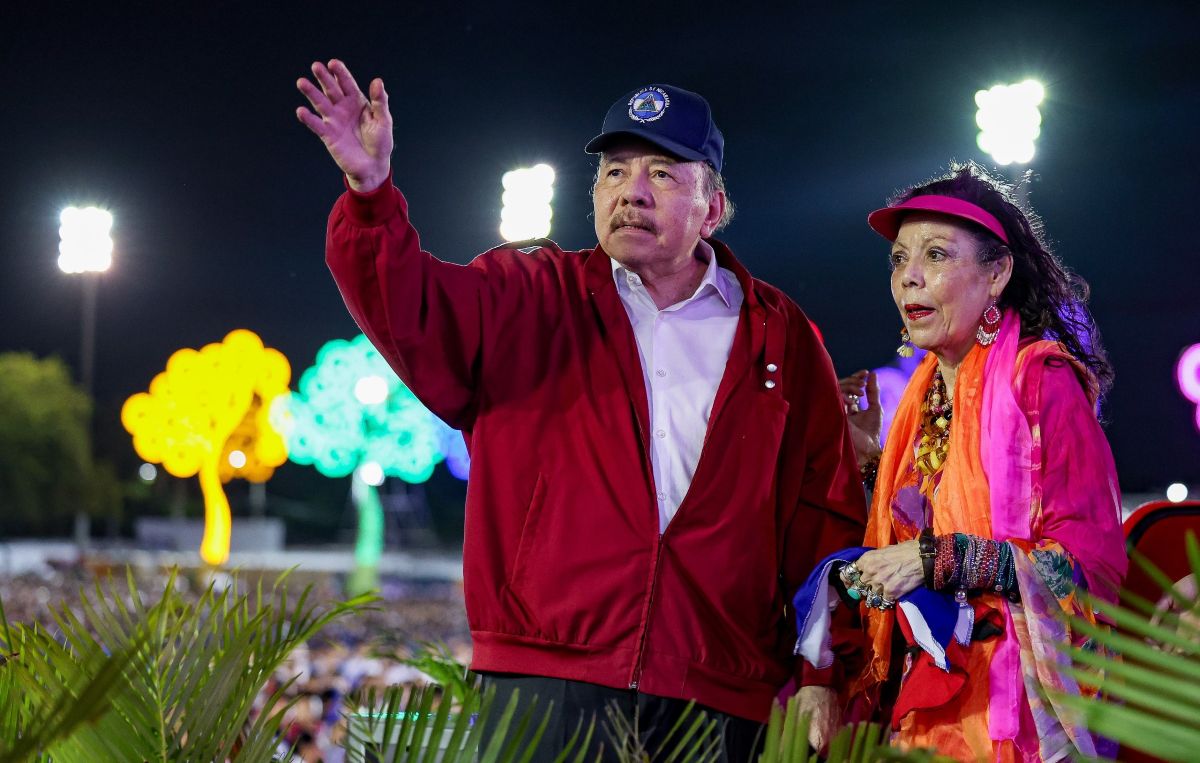
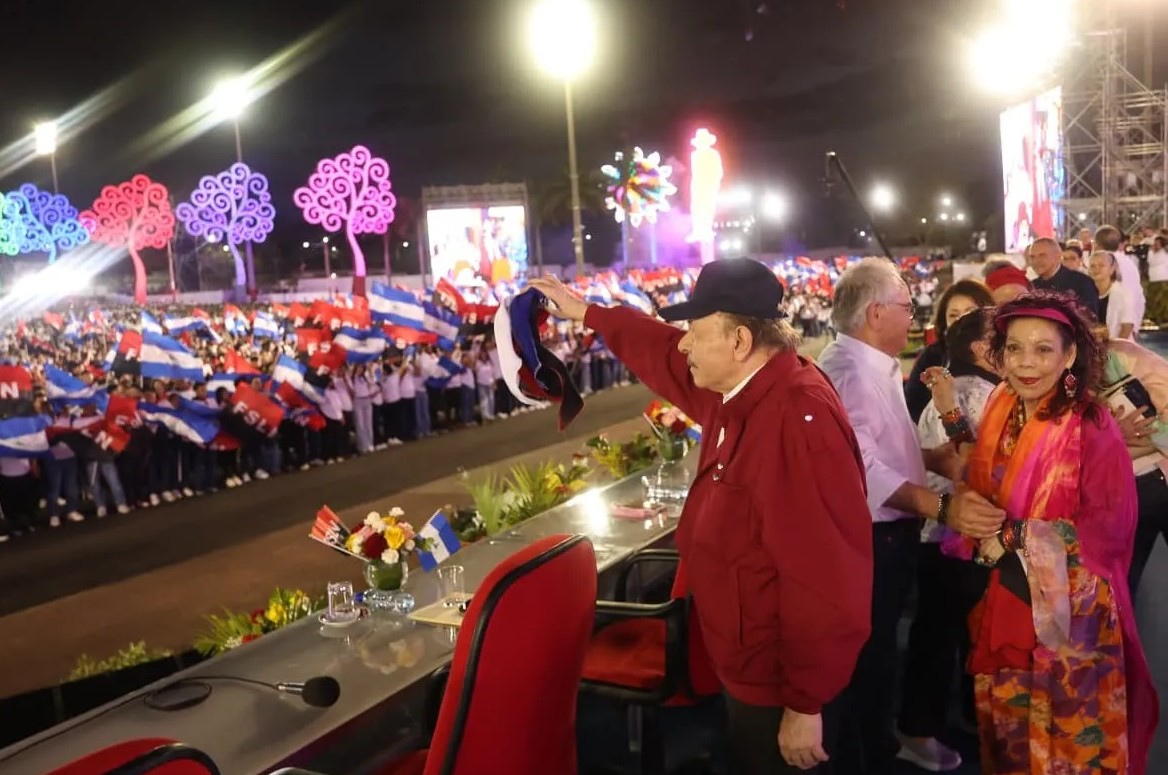
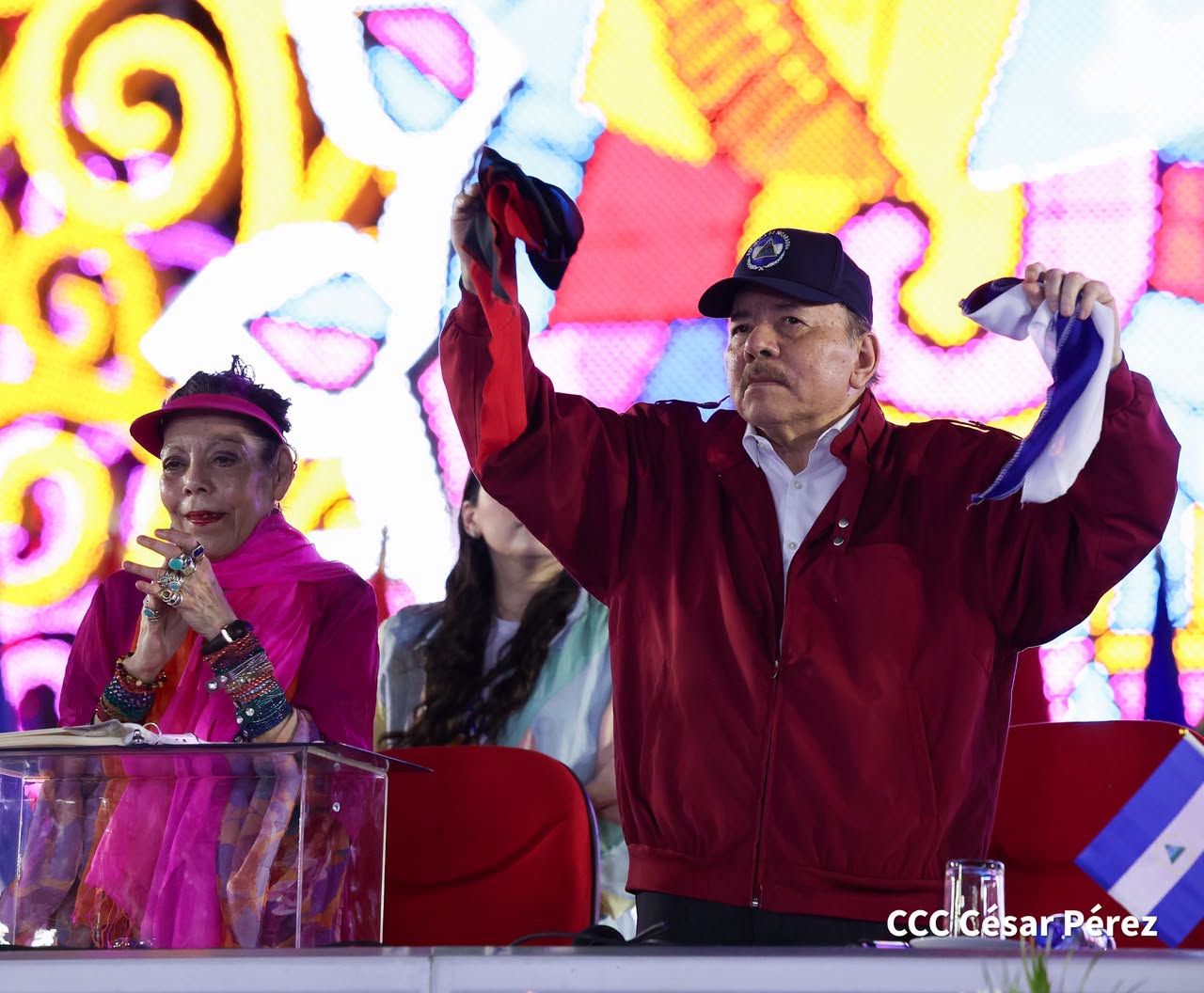
Dealing a mortal blow to democracy, Nicaraguan President Daniel Ortega announced on July 19, 2026, that he will no longer hold elections in order to prevent the opposition from coming to power.
“Here, the days of parties installed by the Yankees (United States) returning to power are over—never, never, never,” Ortega said, rhetorically challenging US President Donald Trump, who seeks to reassert his country’s hegemony in the Americas.
Since the repression of the 2018 protests, Ortega has gradually eliminated the independence of Nicaragua’s branches of government and, in 2025, even made his wife, Rosario Murillo, co-president.
So far, Washington has barred more than 2,000 Nicaraguan officials and their families from entering the United States and has imposed sanctions on members of the Ortega-Murillo family and key industries, such as the gold sector.
While the United States clearly condemns Nicaragua’s authoritarianism, its close relationship with the government of Nayib Bukele in El Salvador, one of its strongest allies in Latin America, stands out.
Although the Central American country holds elections and President Bukele enjoys high popularity, the opposition and human rights organizations criticize his hardline policies and the growing concentration of power in the hands of the executive branch.
Thanks to a constitutional reform, President Bukele can seek a third consecutive term in 2027.
How can Washington’s ambiguous stance toward authoritarian tendencies in these two Central American countries be explained?
“The Trump administration has built its Latin America policy around prioritizing governments that cooperate with its objectives on security, migration, and containing the influence of actors considered adversaries, such as Cuba, Venezuela, or China,” says Ana Maria Mendez Dardon, Central America director at the Washington Office on Latin America (WOLA).
For Washington, Nicaragua is an authoritarian regime aligned with those actors. There is also a “historically conflictive relationship” between the two countries.
“That has facilitated a policy based on sanctions, diplomatic isolation, and constant condemnation of the regime’s authoritarian drift,” the expert told DW.
“By contrast, despite growing concerns about the weakening of the rule of law and the concentration of power under Nayib Bukele, El Salvador has become a strategic partner for Washington,” Mendez observes.
In her view, this is due to Bukele’s close cooperation on migration and security, including accepting deportees.
According to Manuel Orozco, director of the Migration, Remittances and Development Program at the Inter-American Dialogue, Trump’s reasoning is simple: if there is no loyalty, there will be pressure.
In both practice and rhetoric, El Salvador adheres more closely than Nicaragua to the “Donroe Doctrine”—the idea of dominating the Americas—the expert says.
Bukele does not oppose the deportation of Salvadorans, while the United States sometimes has to find third countries willing to accept deported Nicaraguans.
El Salvador has also not deepened its relationship with China, while Nicaragua is “up to its neck” in ties with the Asian country. In addition, Nicaragua has taken advantage of the Dominican Republic-Central America-United States Free Trade Agreement to maintain a trade surplus with the United States, Orozco says.
The “radicalization” of the Nicaraguan dictatorship may be related to the “low risk that the United States will respond as it has in Venezuela or Cuba, because they are not a high-value piece. However, the pressure will continue,” believes the Inter-American Dialogue expert.
However, he also points to an inconsistency in the Trump administration: “Nicaragua’s loyalty to Russia, China, and Iran is not favorable to the national interests of the United States, and its inaction or limited pressure is counterproductive in the face of Nicaragua’s continued attacks against it,” he says.
As examples, he mentions the fact that the Ortega-Murillo government “has harbored terrorists,” such as Italian Alessio Casimirri. He also cites how they “have allowed their territory to be used by nationals of third countries as a transit route to the border, have a military security agreement with Russia and a Russian police presence, grant mining rights to China that displace US transnational companies in gold exports, and have confiscated properties belonging to US and Nicaraguan investors.”
Looking to the near future, neither of the experts consulted by DW expects substantial changes in Washington’s relations with Ortega’s Nicaragua or Bukele’s El Salvador.
However, it remains to be seen whether Daniel Ortega will carry out his threat to stop holding elections. If laws to that effect are approved, the Donald Trump administration could be inclined to move from pressure toward some form of interventionist action.
PUBLICIDAD 3M
PUBLICIDAD 3D

Alertas en tu celular
Suscribite a las alertas informativas de Confidencial en Telegram.

Boletines
Lo mejor de nuestra cobertura noticiosa en tu correo electrónico.

Anuncios
Obtené una propuesta comercial de acuerdo a tus objetivos y presupuesto.

Test Político
Explorá tus ideas sobre nuestra política, economía y sociedad con nuestro Test Político.