AA
Share

 Las noticias del día en tu correo
Recibe lo más destacado de la cobertura de CONFIDENCIAL todos los días.
Más boletines
The best of our coverage, in English
Sign up for our weekly newsletter. We will send it to you every Friday at 10:00 am (Nicaragua time)
More Newsletters
PUBLICIDAD 4D
PUBLICIDAD 5D
The international index ranks Nicaragua alongside Russia, Iran, and Libya, identifying El Chipote and La Modelo as torture centers.

Vista del portón principal del Centro Penitenciario Jorge Navarro, conocido como La Modelo, en Tipitapa, Managua. | Foto: Tomada de Artículo 66
The risk of being subjected to torture in Nicaragua is “very high.” The detention facilities operated by the Judicial Assistance Directorate, known as El Chipote, and the National Penitentiary System’s La Modelo prison have become “centers of torture,” while impunity for these cruel and inhuman acts is “absolute and structural,” according to the annual index published by the World Organisation Against Torture (OMCT).
The index—which analyzes conditions in 39 countries using information provided by civil society organizations—warns that Nicaragua’s situation is comparable to that of Russia, Iran, Libya, El Salvador, Ethiopia, Afghanistan, Belarus, and Bahrain, countries where “systematic violations” of the absolute prohibition against torture have been documented.
Nicaragua’s situation demonstrates “a serious and systematic pattern of torture that intensified following the repression of April 2018,” the OMCT Index states. The ranking evaluates, among other factors, countries’ legal frameworks, mechanisms to prevent torture by security forces and in detention centers, and systems for accountability and assistance to victims.
At the detention facilities known as El Chipote and La Modelo, “at least 40 methods of torture and ill-treatment have been documented, including sexual violence, electric shocks, and prolonged solitary confinement,” the OMCT warns. As of May 2026, at least 46 political prisoners remained detained in these facilities, and eight have died in custody since 2019.
The index also warns of a “high risk” stemming from systematic police brutality and the actions of paramilitary groups operating with the consent of the authorities. Under the “Chamuca” constitutional reform, these paramilitary groups were rebranded as “volunteer police,” further entrenching “their structural impunity,” the OMCT emphasizes.
“During routine law enforcement operations, Monitoreo Azul y Blanco recorded 208 arbitrary arrests in 2025, carried out without judicial warrants. In many cases, families were not informed of the detainees’ whereabouts, amounting to short- or long-term enforced disappearances,” the global index states.
Among the practices documented during arrests are excessively tight handcuffs, stress positions, beatings, and threats.
The Unidad de Defensa Jurídica, Registro y Memoria para Nicaragua (Legal Defense, Registry, and Memory Unit for Nicaragua) also documented 23 cases of torture specifically occurring at the time of arrest.
According to the OMCT, detention conditions in Nicaragua themselves constitute “a form of torture.” The organization notes that the prison system operates at 177% capacity and that 143 complaints of torture committed by prison personnel were recorded in 2025 alone.
“At El Chipote, sensory torture techniques are systematically employed: total isolation; lights kept permanently on or off to disorient detainees; access to sunlight limited to just 10 to 15 minutes per week; prohibition on speaking, reading, or writing; sealed cells without ventilation or bedding. These conditions are compounded by sleep deprivation, inadequate food, extreme temperatures, sexual violence, forced nudity during interrogations, and little or no access to medical care,” the index states.
The report adds that incommunicado detention is a “routine practice” for political prisoners, who can remain for months without contact with their families or lawyers. Since 2018, eight political prisoners have died in custody, four of them within the past nine months, and there is no National Preventive Mechanism or independent oversight of detention centers.
According to the OMCT, “impunity for torture in Nicaragua is absolute and structural.” The organization emphasizes that “not a single conviction has been secured, not a single ex officio investigation has been opened by the Public Prosecutor’s Office, and no official has been suspended in response to allegations of torture.”
The international organization recalled that the Nicaragua Nunca Más collective has documented more than 229 cases of torture since 2018, while the Unidad de Defensa Jurídica, Registro y Memoria para Nicaragua (Legal Defense, Registry, and Memory Unit for Nicaragua) recorded 143 complaints in 2025 alone. However, the report warns that these figures are “minimum estimates,” as most victims refrain from filing complaints out of fear of retaliation.
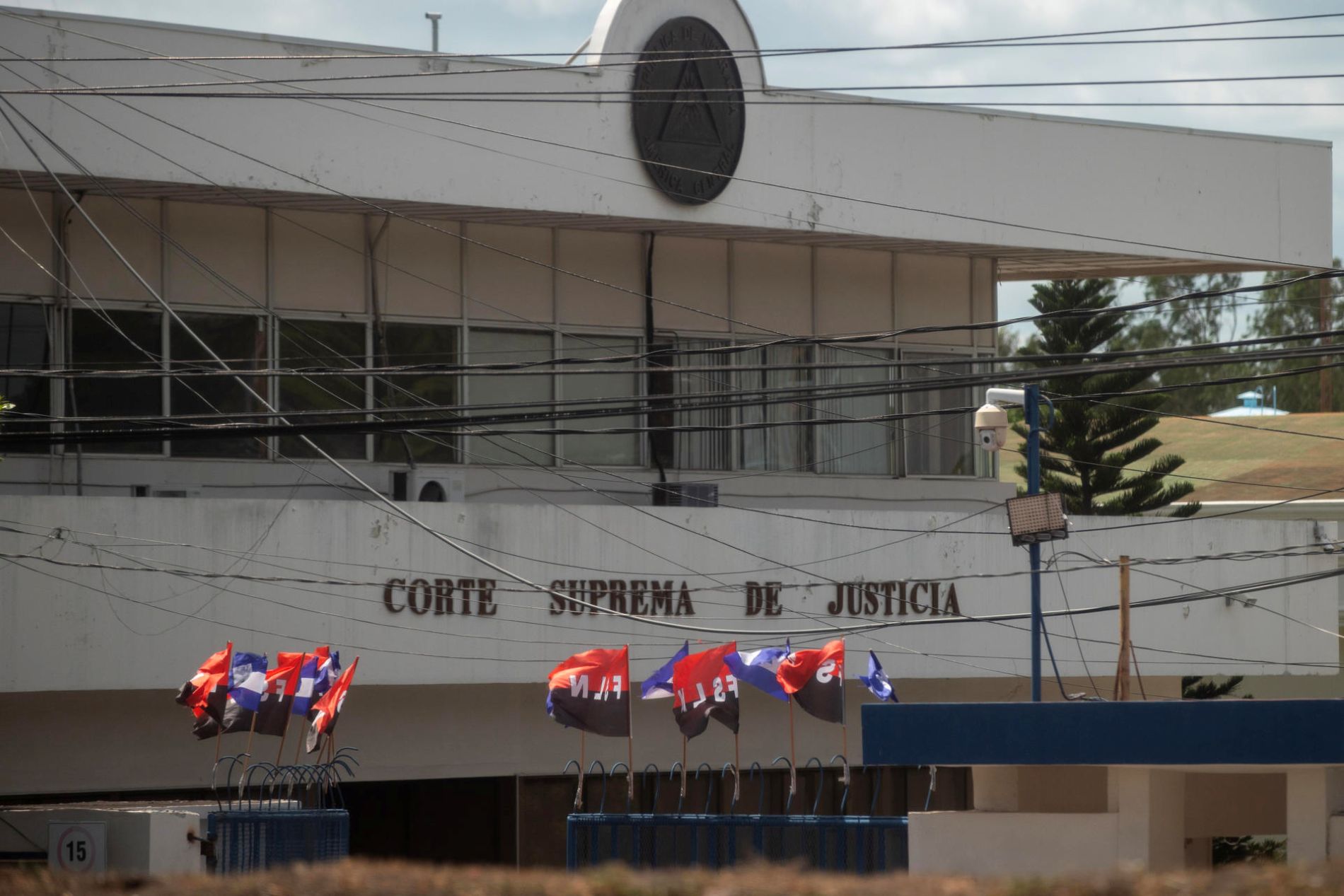
“Impunity operates from the highest levels: President Daniel Ortega has stigmatized political prisoners, signaling to perpetrators that their actions will go unpunished. The judiciary, subordinated to the executive branch, does not investigate officials acting under the orders of the regime,” the OMCT Index states.
The report also highlights that the United Nations Group of Human Rights Experts on Nicaragua identified 54 officials in the chain of command as responsible for crimes against humanity, yet “none has been investigated domestically.”
Victims of torture in Nicaragua “lack any form of reparation, recognition, or state support,” the OMCT stresses. Far from protecting them, “the state persecutes them,” and those who file complaints face “surveillance, harassment, or re-arrest,” the report says.
The organization also highlights the cases of the 222 political prisoners deported to the United States in 2023 and the 135 deported to Guatemala in 2025, who were stripped of their Nicaraguan nationality and deprived of their property, pensions, and other rights, “compounding the harm rather than remedying it.”
The report adds that, in many cases, these measures have resulted in statelessness, the breakdown of family and community ties, displacement, and impoverishment—consequences that victims themselves describe as a form of civil death.
The OMCT concludes that Nicaragua lacks “political commitment to the prohibition of torture,” despite the country’s ratification of the United Nations Convention Against Torture and its Optional Protocol.
The organization emphasizes that the “Chamuca” constitutional reform, approved in February 2025, repealed the constitutional provision that explicitly prohibited torture and created the “volunteer police,” a euphemism for the paramilitary groups that took part in the 2018 crackdown.
“There is no specific law on torture prevention, nor is there a National Preventive Mechanism” under the framework of the Optional Protocol to the Convention Against Torture. The report also states that the Nicaraguan government’s rejection of international oversight has been “systematic and hostile,” adding that “none of the recommendations issued under the Convention Against Torture has been implemented.”
PUBLICIDAD 3M
PUBLICIDAD 3D

Alertas en tu celular
Suscribite a las alertas informativas de Confidencial en Telegram.

Boletines
Lo mejor de nuestra cobertura noticiosa en tu correo electrónico.

Anuncios
Obtené una propuesta comercial de acuerdo a tus objetivos y presupuesto.

Test Político
Explorá tus ideas sobre nuestra política, economía y sociedad con nuestro Test Político.