AA
Share

 Las noticias del día en tu correo
Recibe lo más destacado de la cobertura de CONFIDENCIAL todos los días.
Más boletines
The best of our coverage, in English
Sign up for our weekly newsletter. We will send it to you every Friday at 10:00 am (Nicaragua time)
More Newsletters
PUBLICIDAD 4D
PUBLICIDAD 5D
Among those released are Pastor Rudy Palacios, his sister Jessica Palacios, and the former mayor of Santa María de Pantasma, Óscar Gadea

Presos políticos excarcelados el 10 de enero de 2026. //Foto: CCC
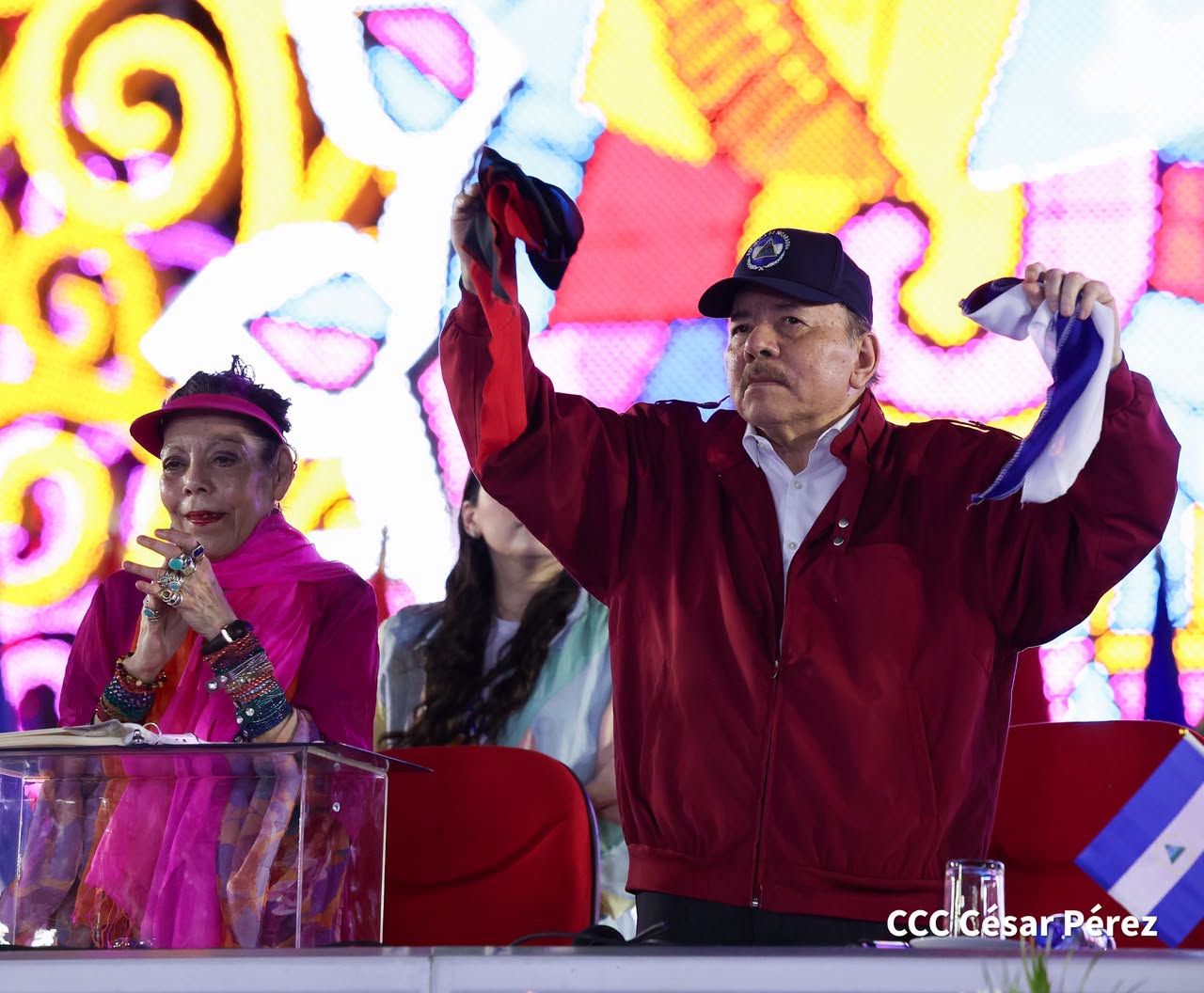
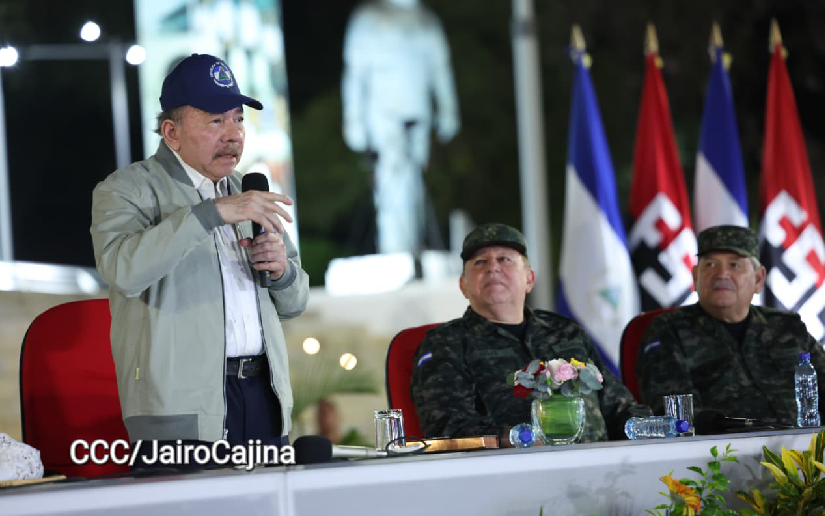
The Nicaraguan dictatorship of Daniel Ortega and Rosario Murillo released at least 20 political prisoners from different parts of the country on January 10, 2026, saying it was in recognition of their 19 years in power. However, this release comes one week after the capture of Venezuela’s president, Nicolás Maduro, who has been their main political ally in Latin America.
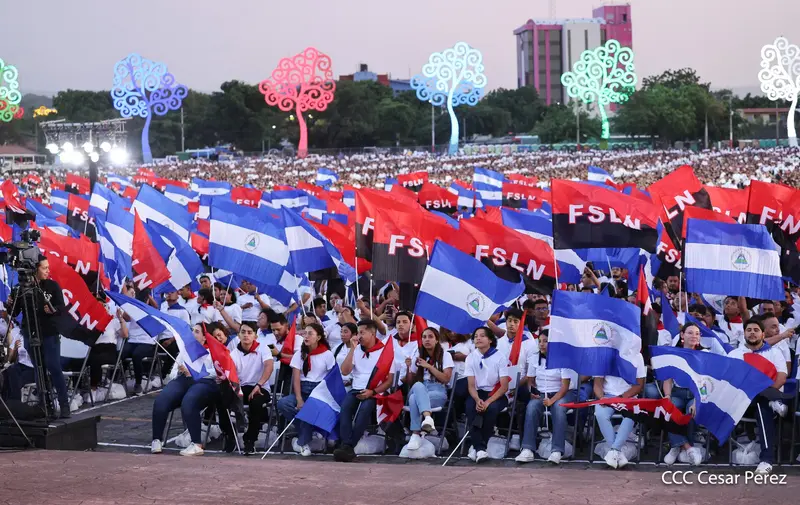
Relatives of political prisoners were summoned early in the morning to La Modelo prison in Tipitapa. Hours later, the regime issued a statement saying that “on the occasion of the commemoration of our 19th anniversary, dozens of people who remained in the custody of the relevant authorities have returned to their homes and families.”
The director general of the National Penitentiary System, Commissioner General Julio Guillén, told pro-government media that a total of 30 people “were handed over to their families,” but he did not reveal their identities.
The Mechanism for the Recognition of Political Prisoners in Nicaragua confirmed that 20 of the 30 people released by the dictatorship had previously been identified as political prisoners, but said it continues to verify the identities of the other ten individuals who are still unaccounted for.
The political prisoners who were released were sent to their homes under a “house arrest” regime, meaning they will have to regularly sign in at the police station that corresponds to their area. But the dictatorship said in its statement that this change in prison status is a “symbol” of its “commitment to encounter, peace, and everyone’s right to a respectful and calm family and community life.”
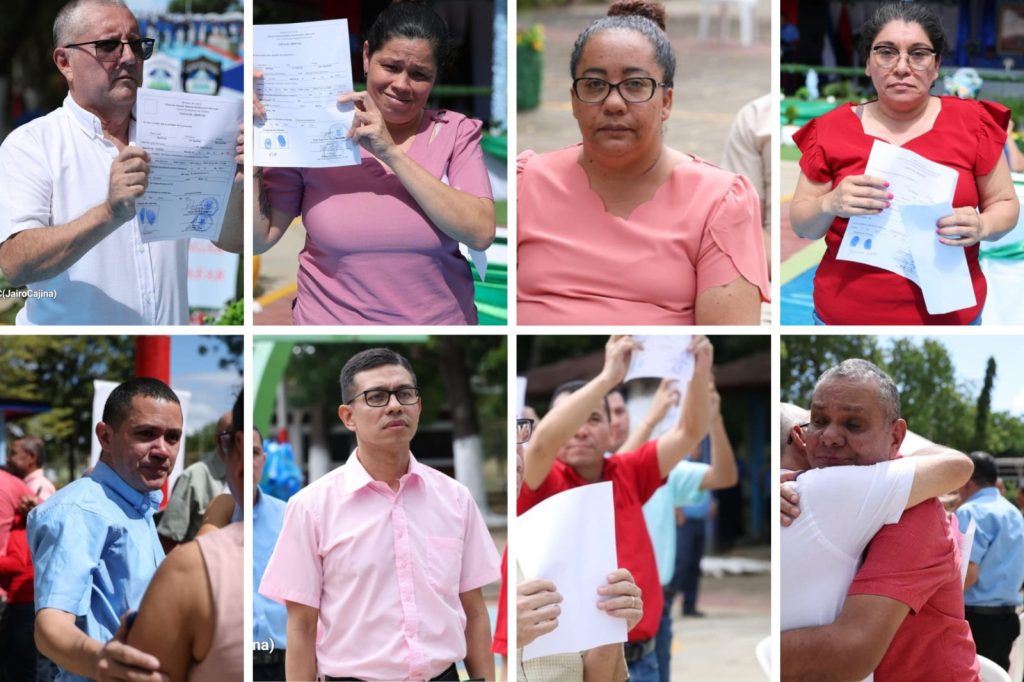
The regime did not release an official list of the political prisoners who were freed, but based on photographs published, CONFIDENCIAL identified the following people who were released:
The Group of Released Political Prisoners (GREX) and the Mechanism for the Recognition of Political Prisoners also confirmed the release of:
Alongside the releases, it became known that the Ortega dictatorship refused to free several political prisoners, including Colonel Carlos Brenes, Beyker Ferreti, Douglas Gamaliel Álvarez, and Geovanny Jaret Guido.
According to the Mechanism for the Recognition of Political Prisoners, as of January 9, 2026, at least 62 Nicaraguans had been detained by the National Police, the repressive arm of the Ortega‑Murillo dictatorship, following the capture of Venezuelan president Nicolás Maduro by United States forces.
The organization, a civilian network that has been monitoring human rights violations in Nicaragua since 2018, reported that the arbitrary detentions have taken place in at least eight departments of the country: Chontales, Matagalpa, Managua, Jinotega, Chinandega, Estelí, Granada, Masaya, and the North and South Caribbean regions.
“These detentions, carried out without a judicial order and based solely on expressions of opinion, constitute a serious violation of fundamental human rights,” denounced Blue and White Monitoring.
This release of prisoners comes one day after the United States Embassy in Managua reminded that after the “important step” taken by Venezuela in freeing “a large number of political prisoners,” in Nicaragua there are also “more than 60 people” who remain “unjustly detained or missing,” a message issued following the capture of Venezuelan President Nicolás Maduro by U.S. military forces.
“Venezuela took an important step toward peace by freeing a large number of political prisoners. In Nicaragua, more than 60 people remain unjustly detained or missing, including pastors, religious workers, the sick, and the elderly. Peace is only possible with freedom!” the embassy said in a message on X.
The post was accompanied by the Spanish version of a message from U.S. President Donald Trump on Truth Social, in which he celebrated that Venezuela was freeing “a large number of political prisoners as a sign of ‘pursuit of peace.’”
Before the U.S. embassy message, the Nicaraguan opposition political movement Unión Democrática Renovadora (Unamos) also noted that “in Nicaragua there are more than 60 people imprisoned for political reasons,” calling for “their freedom as soon as possible.”
On January 10, 2026, U.S. authorities reiterated their pressure: “Today, the brutal Murillo‑Ortega dictatorship ‘celebrates’ 19 years of what should have been a democratic five‑year term.”
“Nicaraguans voted for a president in 2006, not for an illegitimate lifelong dynasty. Rewriting the constitution and crushing dissent will not erase Nicaraguans’ aspirations to live free from tyranny,” the U.S. State Department’s Office of Western Hemisphere Affairs posted on X.
PUBLICIDAD 3M
PUBLICIDAD 3D

Alertas en tu celular
Suscribite a las alertas informativas de Confidencial en Telegram.

Boletines
Lo mejor de nuestra cobertura noticiosa en tu correo electrónico.

Anuncios
Obtené una propuesta comercial de acuerdo a tus objetivos y presupuesto.

Test Político
Explorá tus ideas sobre nuestra política, economía y sociedad con nuestro Test Político.